RQI programmes provide a high-reliability platform for simulation-based mastery learning, implemented through low-dose, high-frequency quality improvement sessions that measure and verify competence, to help healthcare providers retain life-saving skills.
This page has been automatically translated using AI and may contain errors. To ensure accurate information, refer to the original English version or contact us.
Innovative competency-based program for high-quality CPR and improved patient outcomes
Many healthcare providers do not perform CPR as a normal part of their daily practice, and some may rarely perform CPR after their bi-annual training. As CPR compression and ventilation skills degrade from lack of use and practice, so does the overall effectiveness of CPR. As the quality of CPR degrades, this can literally become a matter of life and death for your patients.
Fortunately, you don’t have to invest hours every day to improve and maintain your proficiency. Brief and regular practice in CPR – low-dose/high-frequency education – has been shown to lead to better skills. The American Heart Association’s Resuscitation Quality Improvement (RQI) Program is a groundbreaking new approach to maintaining competence in CPR.
RQI verified CPR competence is the higher standard of care, demonstrated to improve clinical care delivery and to increase survival from sudden cardiac arrest.
Verified & confident
Advancing CPR education
High-quality CPR RQI helps ensure your staff has the confidence and competence to perform high-quality CPR when it matters the most.
Low-dose, high-frequency Frequent but short refresher training sessions make it easier to fit training into your schedule while preventing skills decay.
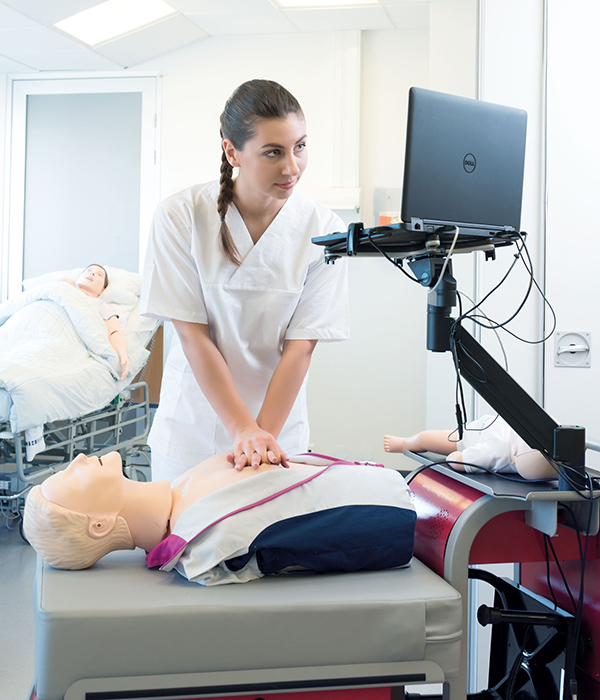
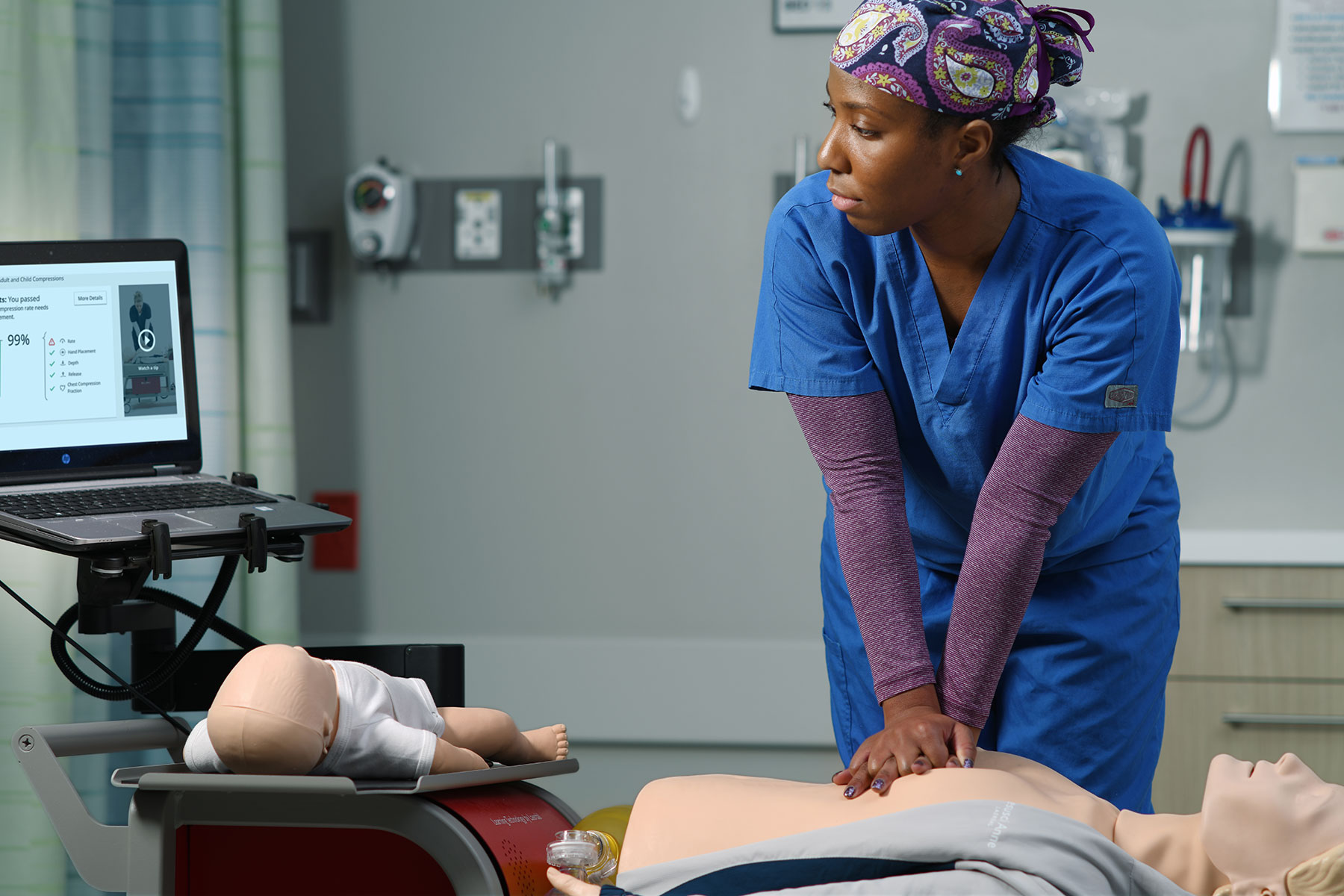
Objective skills feedback Standardised skills training is completed on a Simulation Station featuring real-time, audiovisual directive feedback for high-quality CPR skills.
Safety and convenience
Leveraging digital learning technologies
Self-directed learning With real-time guidance from our software, healthcare professionals can conduct self-directed training at their own pace.
Automated eCredential Certificates from RQI, available in the course language are simple to adminster and keep track of employee credentials.
Training comes to you No more all-day-every-two-year-training-classes. By combining the latest in resusciation science, with powerful learning technology, training now comes to you.
The ROI of RQI
Training that saves time, and money
Short training sessions at your convenience No more all-day-every-two-year-training-classes at an inconvenient location with costly travel. Allow your healthcare providers to conduct 10-minute training sessions, on their floor of the hospital, when it suits them.
Reduced investments and maintenance The RQI subscription model reduces capital investments, lowers future maintenance costs, and provides support on anything from equipment to software.
Instructor Less Training Deliver your BLS training whilst adhering to social distancing and free up your time to focus on other areas of resusciatation training.
The Impact of Resuscitation Quality Improvement
Low-dose, high-frequency training is the foundation of the Resuscitation Quality Improvement (RQI) programs that measure and verify competence, to help healthcare providers retain life-saving skills.
The results speak for themselves:
After one RQI training session, overall compression scores increased by 81% and ventilation scores with bag-mask device increased from 19% to 70% (Kardong et al, 2020)1
Providers not meeting target compression depth increased from 51.1% in Q1 to 78.8% in Q2 and then 84% in Q4 for percentage of compressions with correct depth. (Klacman et al, 2021)2
In the RQI model, providers have increased their CPR skills confidence with an improved performance of compressions and ventilation skills and a decrease in the number of attempts to achieve high-quality CPR. (Dudzik et al, 2019)3
In addition to improved performance scores, a significant association was found between the number of RQI sessions and adherence to compression rate guidelines during real pediatric events (Donoghue et al, 2021)4
Association of RQI and enhanced clinical CPR quality has been found with an improved chest compression fraction during in-hospital cardiac arrest events from pre-RQI of 83% to post-RQI of 93% (Panchal et al, 2020)5
Learning RQI
Learn how the RQI program can help improve resuscitation quality at your hospital. Find blog posts, how-to's, and evidence library:
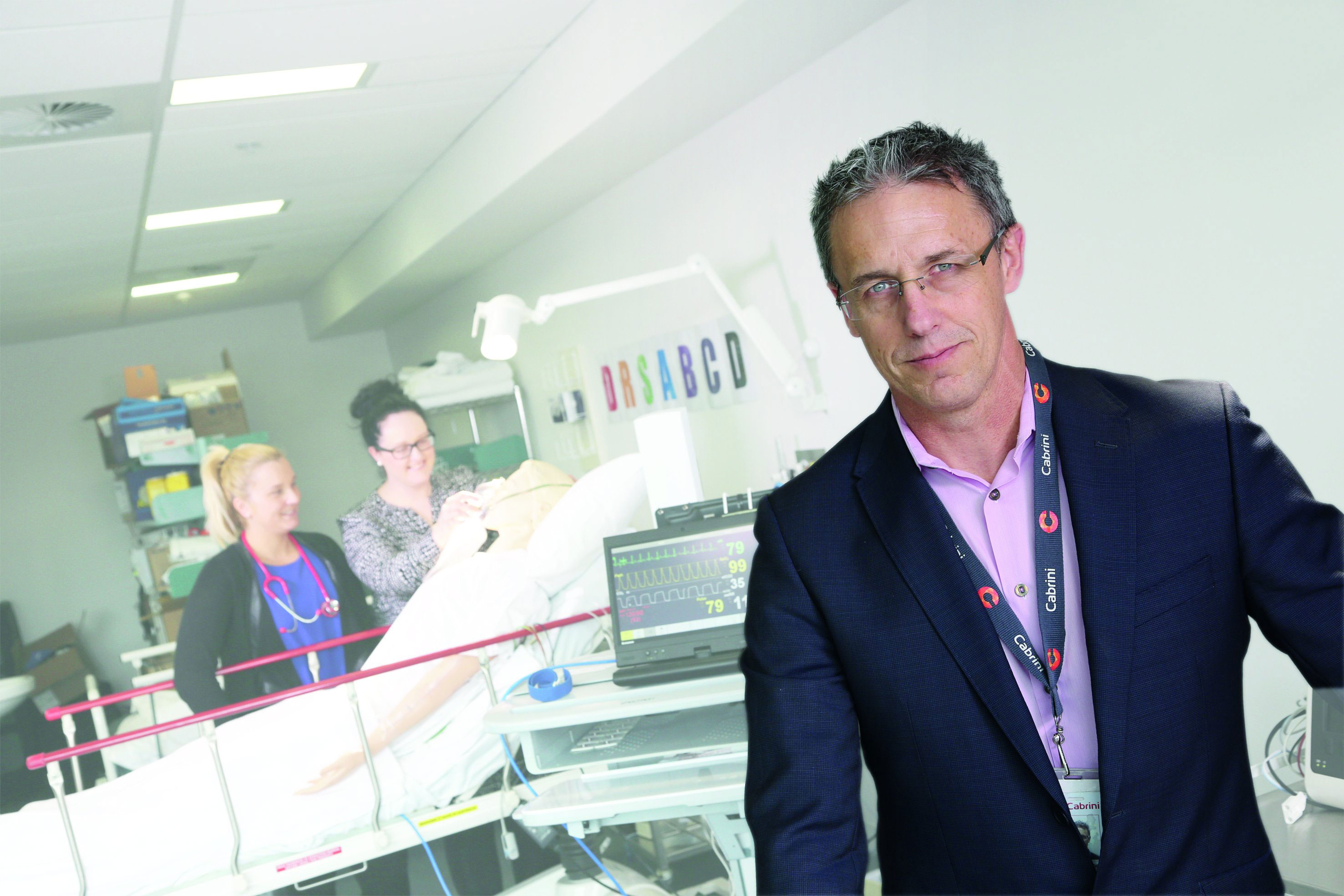
"When we started the RQI program only 25% of our staff were able to perform chest compressions and ventilations at the required rate. Now we have more than 90% of staff exceeding the standard." Matt Johnson, Cabrini Health, Australia
“BLS/PBLS training compliance has greatly increased since adopting RQI and more importantly, compliance can now be tracked accurately. Significant improvement in quality of basic CPR skills has been recognised through RQI feedback. In turn, this has been observed directly in ILS/PILS courses as candidates routinely perform good quality CPR, with little need for correction or intervention required from the instructor.” Olly Hockin, Spire Healthcare, United Kingdom
"When we started the RQI program only 25% of our staff were able to perform chest compressions and ventilations at the required rate. Now we have more than 90% of staff exceeding the standard."