「術後の患者が循環血液量減少性ショックを起こしていました」。ペンシルベニア州フィラデルフィアにあるジェファーソン看護学校BSN課程3年生の学生はこう話す。「患者はわたしに向かって叫んでおり、バイタルは低下していきます。私は迅速に判断しなければなりませんでした―私がまず初めに行うべき看護介入は何だろう?誰にコールするか?自分の資源をどう活かせるか?どうすれば自分の患者を救えるか?」
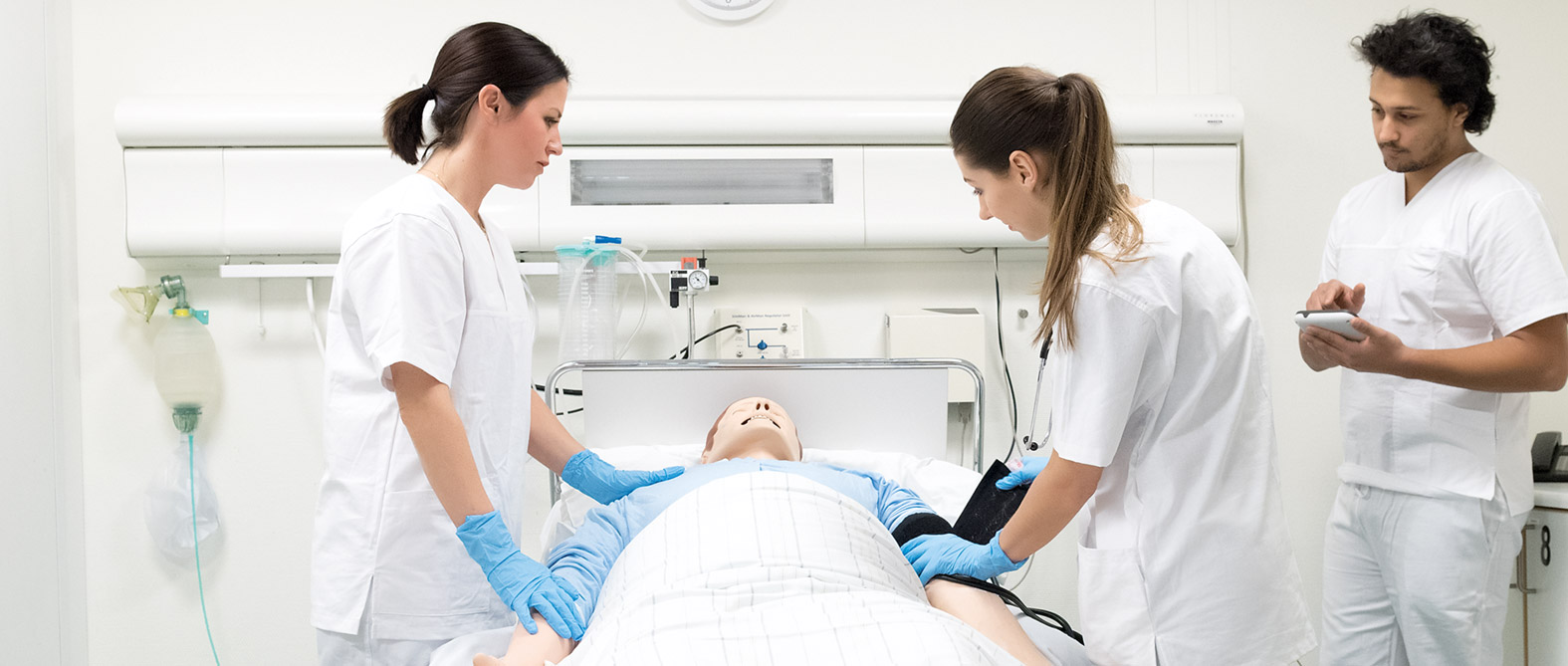
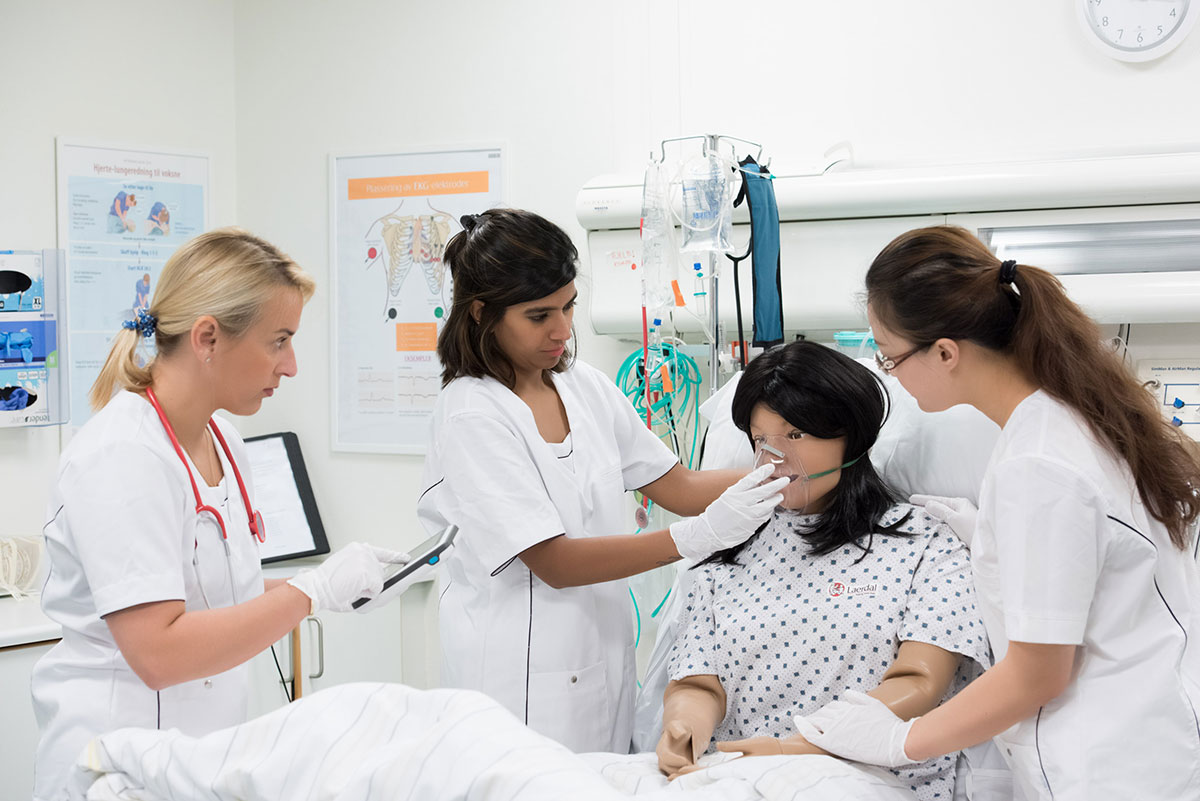
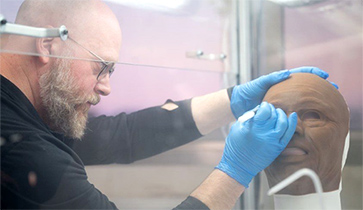
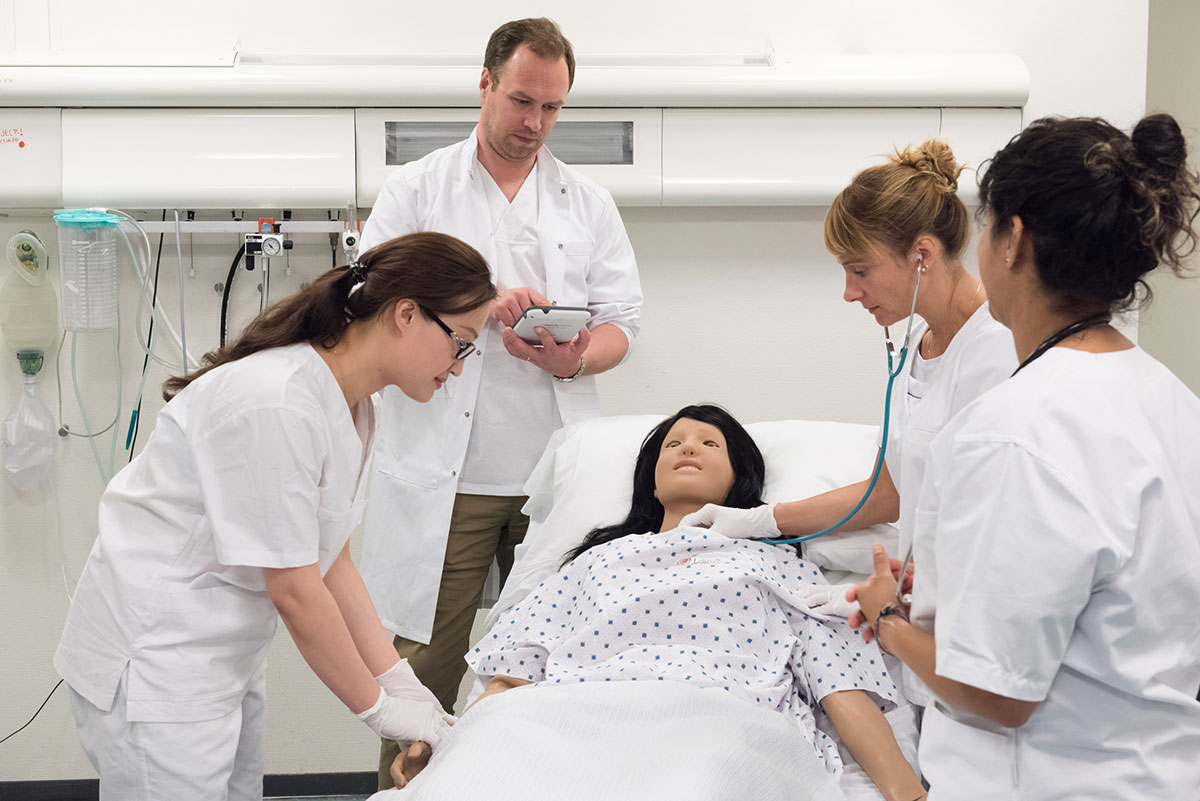
その緊張感と行なわれた基本的な看護スキルはまさに現実そのものだった。しかし、患者はそうではない。この患者はSimMan®で、学生は看護教育の最初の数ヶ月に、このSimMan®を患者として臨床シミュレーション実習に参加したのである。
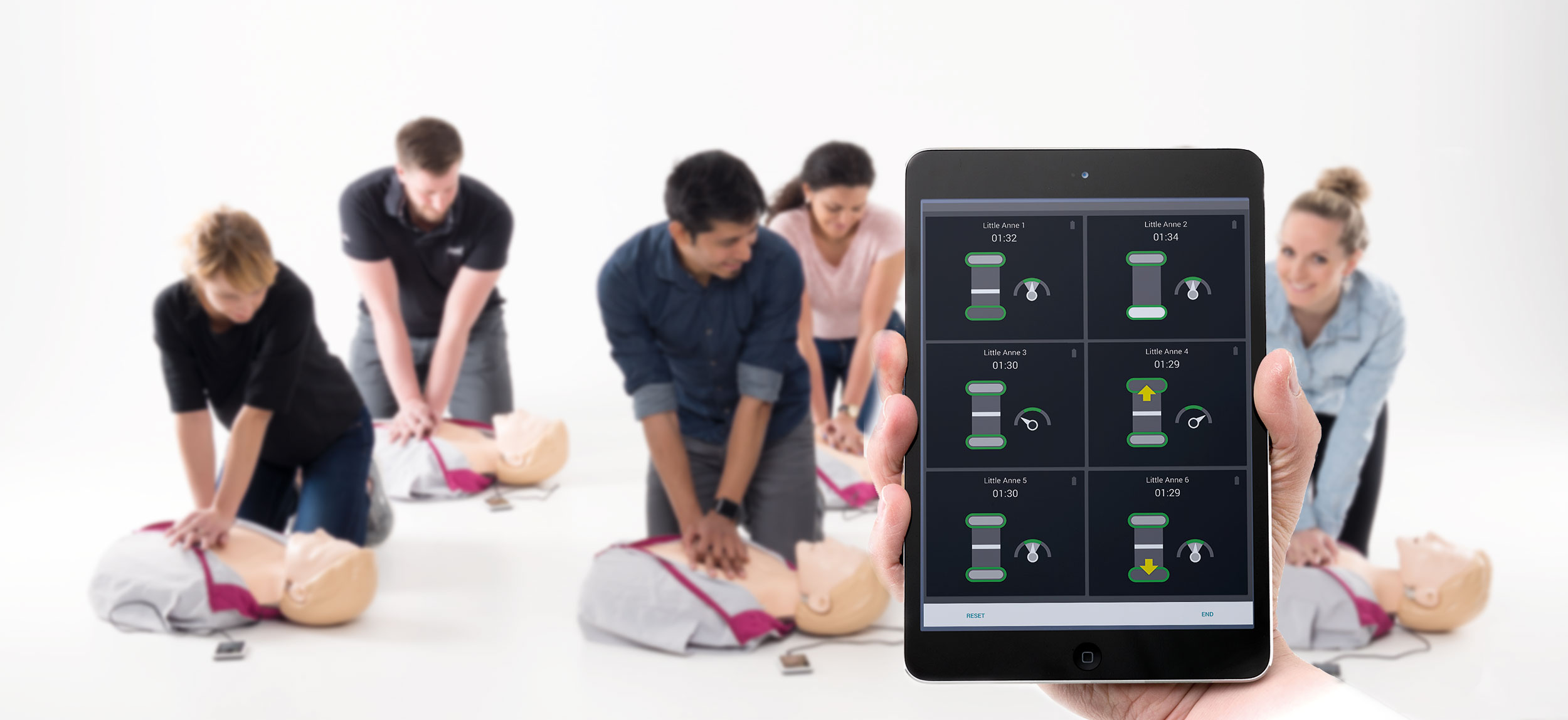
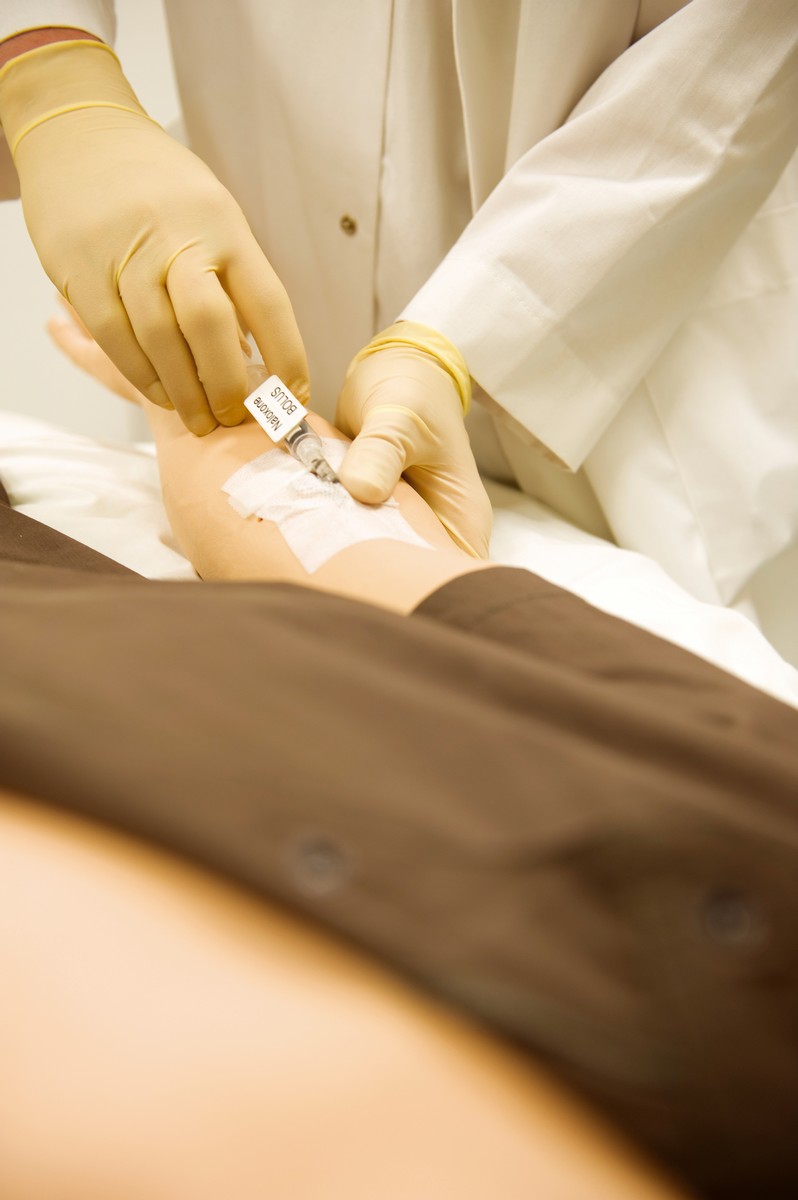
臨床シミュレーションとは、看護の現場で遭遇する状況を模倣して再現することにより、教室の外または臨床の現場において実際の臨床を体験してもらうという教育戦略である。医療提供者、患者およびその家族が登場するシナリオを用いて生徒のスキルを向上させることを狙いとしている。
「生徒たちは看護師になる方法を学んでいる間にリアルなシナリオを経験したいと考えています」。こう説明するのは、ジェファーソン看護学校で看護基礎と患者安全について教えている講師Kathryn Shaffer RN, MSNである。「臨床シミュレーションは、生徒たちに必要な看護スキルまたアセスメントやコミュニケーションの技能を身につけて実践で活かすための機会を与えるものです」
ジェファーソンの学生らは学期の最初の数週間にはじめての臨床シミュレーション実習を受けた。実習は安全性、倫理問および投薬過誤に焦点が当てられており、これにより「生徒たちは不安を取り除くことができた」とMs. Shafferは話す。ある一人の生徒は、「素晴らしい実践学習でした。行なうべきあらゆる安全対策について理解を深め気づくことができました」と語っている。別の生徒も声をそろえて、「臨床現場の初日に備えるための素晴らしい方法でした」と話している。
多少の臨床経験があるとしても、研修医から口頭でのオーダーを取るといった、卒業して現場に入らないと経験しないような事柄が幾つかある。臨床シミュレ-ションは、安全な環境下で生徒たちに様々な状況を経験させ基礎スキルを学習することができる。
ジェファーソンの学生らは1学期末に2度目のシミュレーションを行なった。シナリオは、患者の救急部入院から手術、退院までを追ったものだった。一般的に生徒らがこの流れ全体を患者に付いて経験するようなことはない。またこの実習では標準的患者と、訓練を受けた役者が演じる患者の妻も登場した。
生徒のグループがシナリオの異なるステージを交替で実行している間、クラスの残りはストリーミングビデオでその様子を観察しながら教職員主導によりエビデンスに基づいた実践についてディスカッションを行った。
それぞれのシーンが終了した後、各グループはインストラクターと面接し、問題解決、内省、継続して学習の必要な分野の特定を行った。このデブリーフィングは個室でプレッシャーを感じない環境で行なわれ、互いに情報交換する場となった。
生徒らから寄せられた感想の中で、ある一人の生徒は、今回の経験は1学+期足らずで自分がどれだけ学習できたかを知れ、「トレーニングは本当に楽しかったです」と述べている。さらに改善の必要なスキルを確認するのに役立ったと述べている。他の生徒らもこれに同意し、実践的なシミュレーション実習の機会をもっと増やして欲しいと述べている。
「すべての看護教育において、その目標は臨床現場での自信と実践力の向上にあります」とMs. Shafferは話す。「シミュレーションが臨床能力の向上につながるのかどうかは分かりませんが、生徒たちが看護の概念とスキルを統合させる上でシミュレーションが役立つと感じていることは知っています」
この記事は米国のすべての看護学生/看護学校の間で最も広く読まれ信頼されているStuNurse誌に掲載されています。使用される場合にはPublishing Concepts, Incから許可を得る必要があります。
The stress and the practice of fundamental nursing skills were real. The patient, however, was not. He was SimMan®, playing the patient in a clinical simulation exercise that students went through in their first months of nursing education.
Clinical simulation is a teaching strategy that mimics encounters in nursing practice, enabling students to experience real life situations outside of the classroom or clinical arena. The goal is to improve students’ skills using scenarios involving providers, patients and family members.
"Students expect to engage in realistic scenarios while they learn how to be a nurse," explains Kathryn Shaffer, RN, MSN, an instructor who teaches nursing fundamentals and patient safety at Jefferson School of Nursing. "Clinical simulation provides a way for them to acquire and practice essential nursing skills, assessments and communication techniques."
Jefferson students had their first clinical simulation exercise in the first weeks of the semester. It focused on safety, ethical issues and medication errors and it "took the edge off their anxiety," shares Ms. Shaffer. One student shares, "It was a great hands-on learning activity that made me better understand and realize every safety precaution that needs to be taken." Another echoes, "It was a great way to get us ready for our first day of clinical."
Even after they have some experience in the clinical setting there are some things, like getting a verbal order from a resident, that students may not experience until they graduate and are practicing. Clinical simulation offers a safe environment for students to have a variety of encounters while they learn basic skills.

Jefferson students had a second simulation at the end of their first semester. The scenario followed a patient from emergency room admission through surgery and finally to discharge. Students don’t typically get to experience this entire cycle with patients. This exercise also included a standardized patient, an actor trained to portray the wife of the patient.
While groups of students took turns participating in different stages of the scenario, the rest of the class observed them via streaming video feed and engaged in discussion led by a faculty member about evidenced-based practice.
After their scenes, each group met with instructors to problem-solve, self reflect and identify areas for continued learning. This debriefing was held in a private and non-threatening environment, where a mutual exchange of information occurred.
In feedback one student said the experience showed her how much she had learned in less than one semester and helped her acknowledge what skills needed more work. Plus, "I had a really fun time doing it." Others agreed with that sentiment and requested more opportunity for hands-on simulation practice.
"All nursing education aims to promote increased confidence and competence in the clinical setting," says Ms. Shaffer. "We don’t know if simulation translates into increased clinical competence, but we do know that students say it helps them integrate nursing concepts and skills."
As seen in StuNurse the most widely read & trusted journal reaching every nursing student/school in America. Used with permission from Publishing Concepts, Inc.

Japan