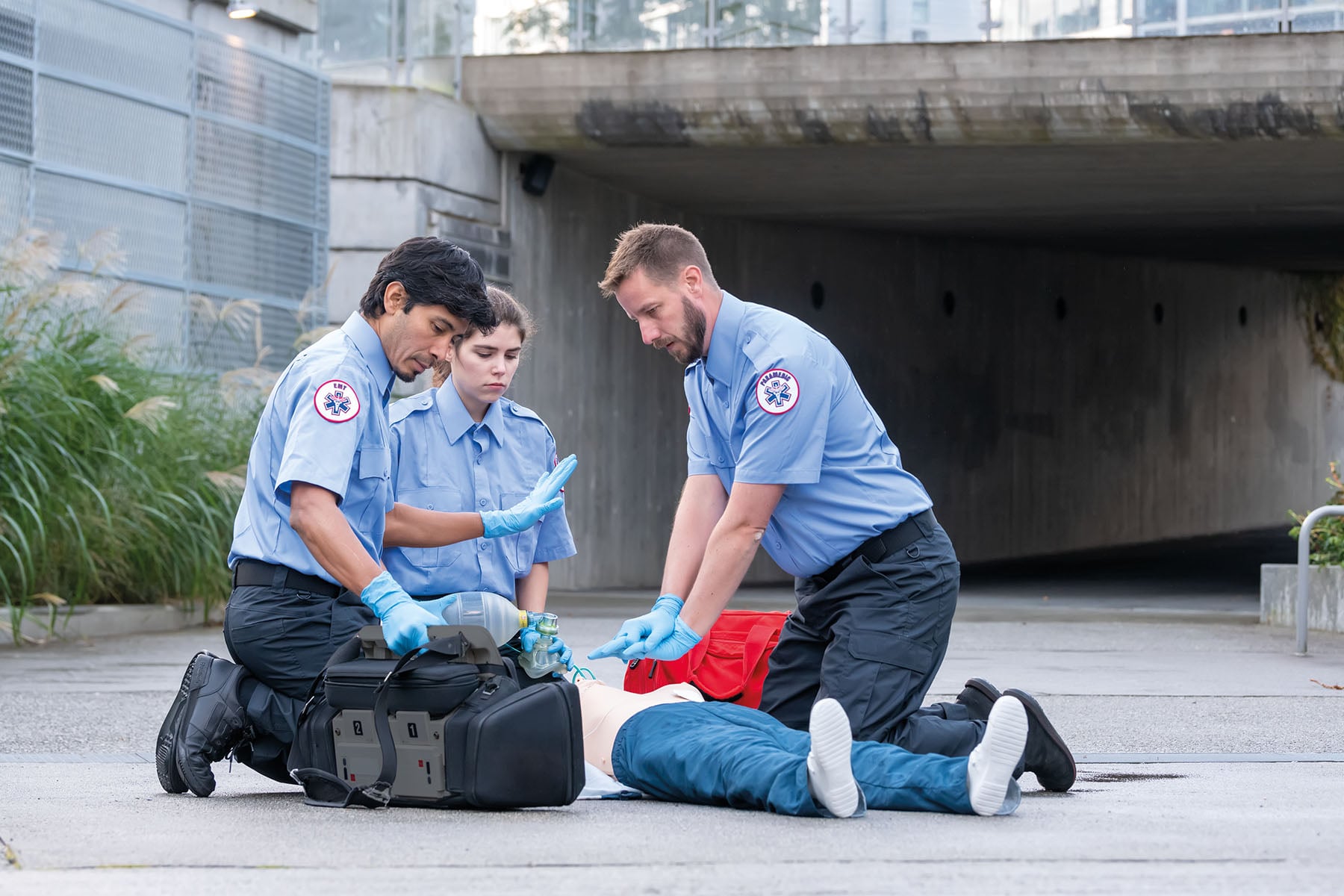
Hartstilstand Overlevingspercentage Verbetering: Interview met Anne Doll
In deze Q&A-sectie bespreekt Ann Doll van de Resuscitation Academy Foundation manieren om de overlevingskans bij hartstilstand te verbeteren.
Meer weten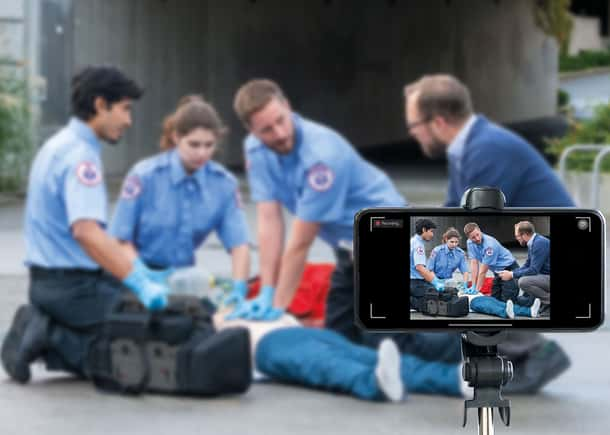
The Resuscitation Academy (RA) says it’s rarely one thing. Better outcomes depend on skilled providers, high-performing teams, and systems committed to continuous improvement.
For nearly two decades, the Resuscitation Academy (RA) has helped communities strengthen all three. Its approach has been adopted by systems around the world, and communities that have implemented RA-guided improvements have reported significant gains in cardiac arrest survival.
Along the way, the RA’s work has revealed important lessons about what helps improve survival. From developing provider skills to building stronger teams and learning from every call, these lessons can help agencies strengthen their response to cardiac arrest.
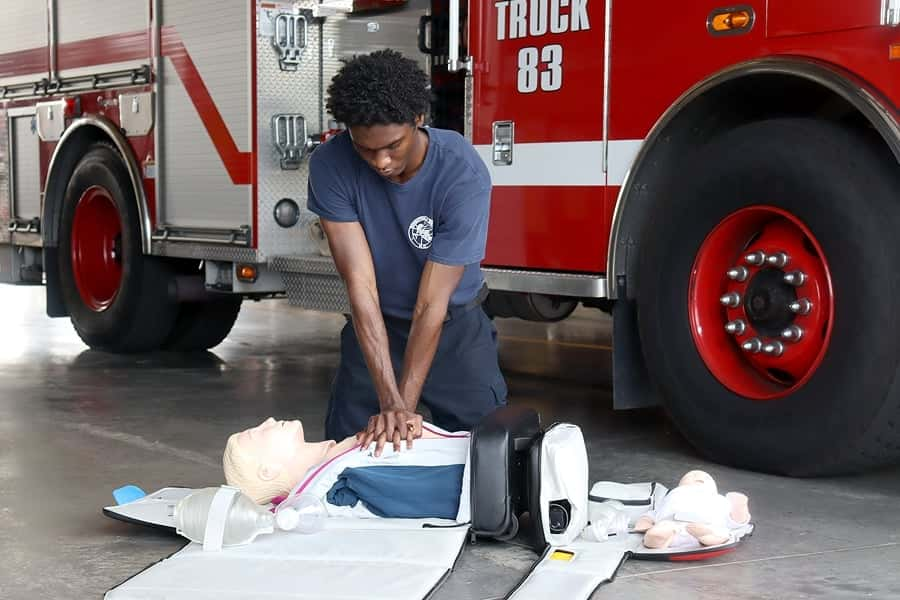
“When we train and perform on perfect rate, depth and recoil, it keeps the brain and the heart and the rest of the body alive until further care can happen. it literally suspends the dying process.”
Ann Doll
Executive Director, Resuscitation Academy Foundation Secretariat, Global Resuscitation Alliance

What sets the RA apart is its emphasis on high-quality CPR as one of the highest-impact opportunities for improving cardiac arrest outcomes.
High-quality CPR depends on mastering several foundational skills, including:
The skills themselves aren’t complicated—but delivering performing them consistently during a high-stress call requires practice, reinforcement, and measurement.
The RA emphasizes that CPR is a depreciable skill. Many providers don’t get frequent opportunities to perform CPR in the field. That’s why skills can fade between certification cycles if they’re not practiced regularly.
Key takeaway: Before you can improve outcomes, you must ensure that providers have mastered, and will maintain, the fundamentals of high-quality CPR.
If CPR performance isn’t being practiced and measured between certification cycles, there’s a good chance skill decay is happening. Building regular practice and feedback into simulation training can help crews stay ready for the next arrest.
Agencies looking to support ongoing CPR skill development often use programs such as Resuscitation Quality Improvement® (RQI®), which combines frequent practice, performance feedback, and competency verification to help providers maintain proficiency over time.

“Just because we have a team of experts doesn’t mean we perform expertly.”
Mike Helbock, M.I.C.P, NR-P
Division Chief – EMS Training, Seattle/King County Medic One (ret.), Faculty – Seattle/King County Resuscitation Academy

High-quality individual CPR skills alone don’t save lives. Improving outcomes from cardiac arrest relies on a high-performing CPR team.
This idea sits at the heart of the RA’s approach. While skills focus on what an individual can do, competency focuses on whether a team can perform those skills together, efficiently and consistently, under real-world conditions.
This is the intent behind high-performance CPR.
CPR is inherently inefficient. It provides:

Because CPR delivers only a fraction of normal circulation, every unnecessary pause becomes more consequential.
To minimize those interruptions, the RA promotes high-performance CPR—often describing it as a “choreographed dance” or “CPR ballet.” Every team member knows their job. Everyone knows where to position themselves, when to rotate, and how to keep compressions moving while the rest of the resuscitation is happening.
You don’t build this kind of teamwork on scene for the first time. It’s a carefully designed system that requires deliberate practice, clear processes, and a shared understanding of how the team works together during a resuscitation.
Key takeaway: Competency extends beyond individual performance. A provider may know what to do, but exceptional outcomes depend on a team’s ability to execute a shared process together, in real time, under real-world conditions.
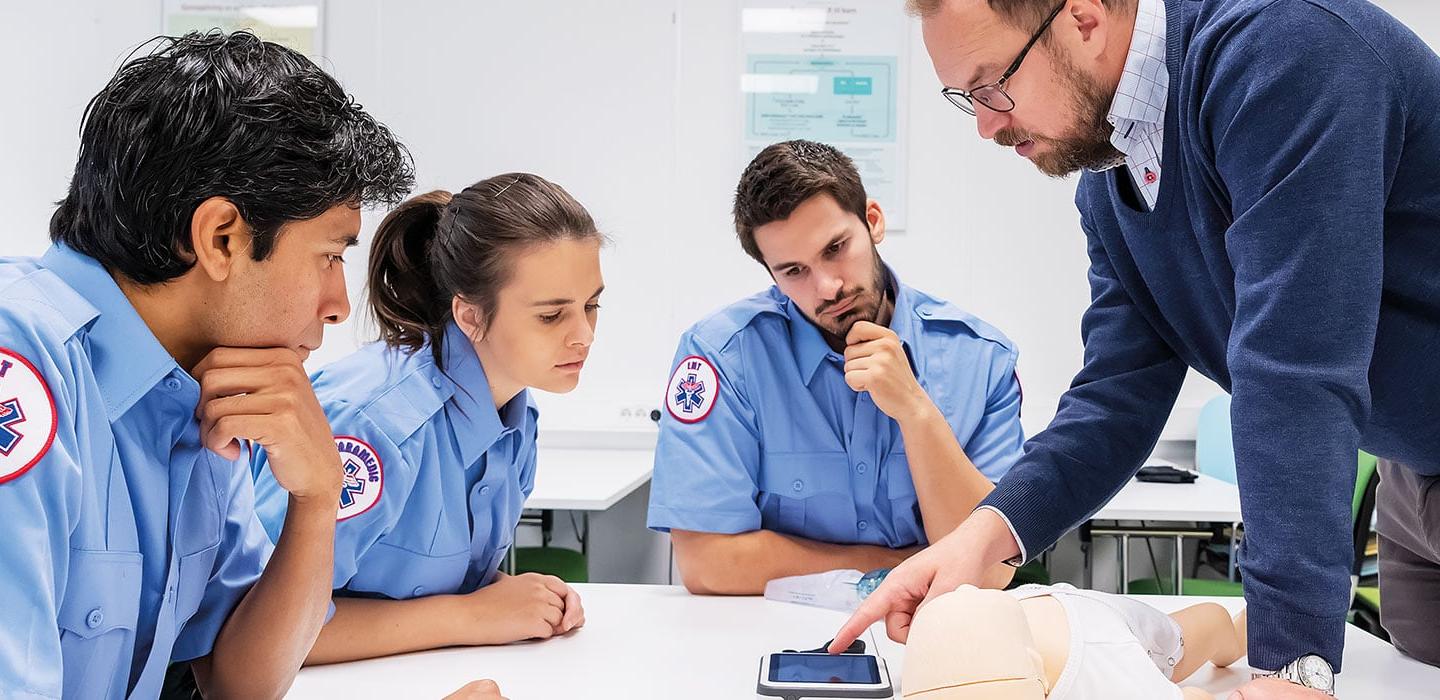
Ask yourself this: Can your crews consistently run a high-performance resuscitation together, not just pass individual skills tests? Team-based simulation training that reflects local equipment, protocols, and realities of the field can help close the gap between classroom learning and field performance.
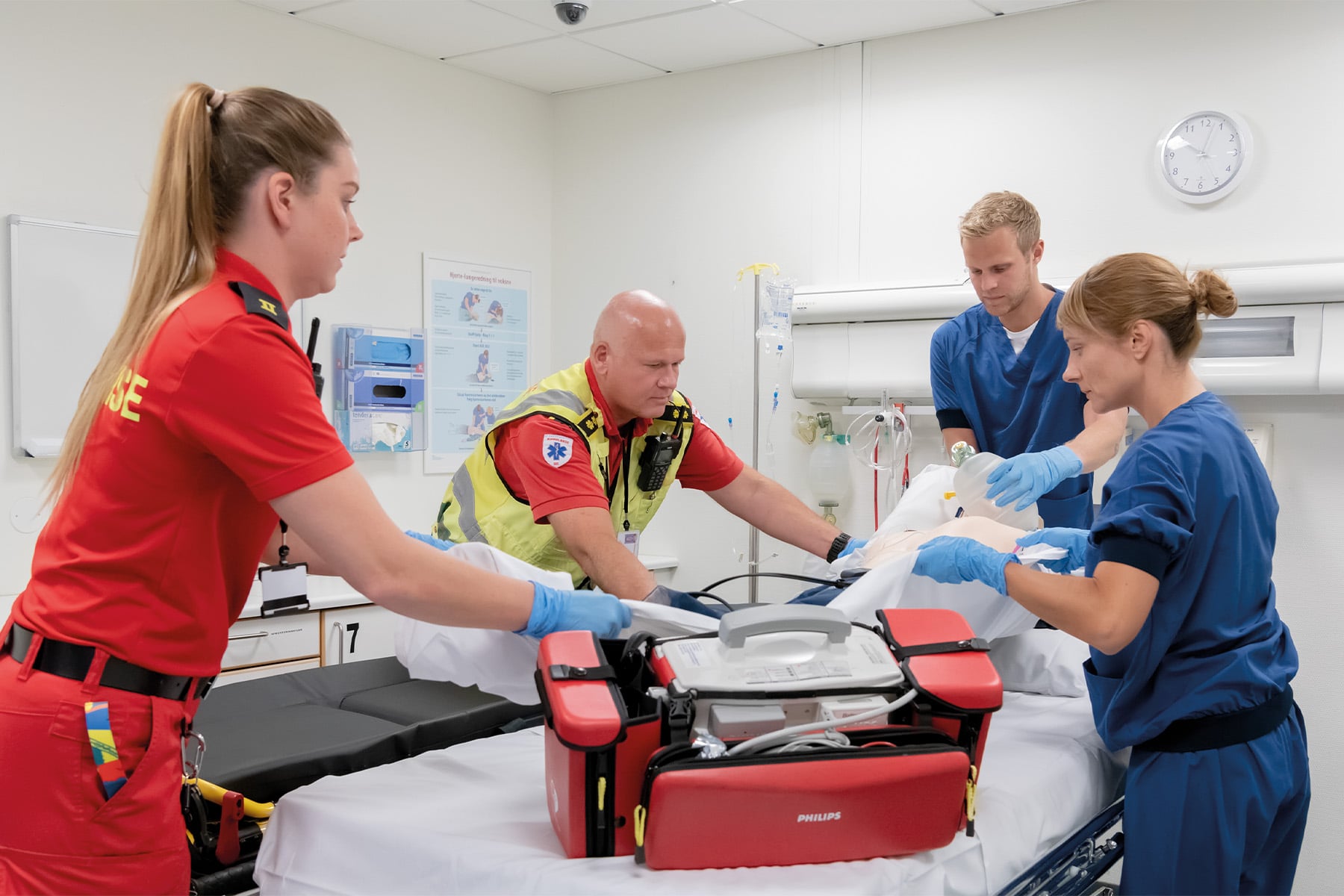
For agencies seeking to strengthen team-based resuscitation simulation training, a manikin like Resusci Anne QCPR can provide objective CPR performance data, while a simulation video debriefing system like SimCapture can help teams debrief every detail. Together, they help create opportunities for teams to practice and refine the choreography of high-performance resuscitation before the next real call.
The RA’s best-known mantra might just be its simplest:
Measure. Improve. Measure. Improve.
At its core, the mantra reflects a philosophy of continuous quality improvement. Strong outcomes don’t come from a single training initiative or protocol change. They come from agencies and related emergency response teams that continually learn from performance and use those lessons to strengthen the system over time.
To support this process, the Academy encourages agencies to study every cardiac arrest through tools such as:
By looking at what happened on a call, where time was lost, and what went well, agencies can gain insight into how the system is functioning as a whole.
The goal isn’t measurement for its own sake. The goal is improvement. Insights from case reviews and performance data can shape future training, workflows, communication practices, protocols, equipment placement, and other operational factors that influence performance.
Key takeaway: Survival is rarely the result of one exceptional provider or one successful resuscitation. It is the product of a system that continuously studies its performance, adapts, and gets better.
Don’t just ask how a crew performed on a call. Ask what the entire agency can learn from it.
Questions worth asking:
The goal isn't simply to gather data. It's to use what you learn from each cardiac arrest to improve the next one. Every cardiac arrest offers an opportunity to learn. The agencies that improve survival are the ones that make those lessons part of how they train, respond, and improve.
The RA's Ten Steps for Improving Survival from Sudden Cardiac Arrest serves as a practical guide for EMS, 911 Centers, and community leaders who want to improve survival from sudden cardiac arrest.