Saltar al contenido

5 Lessons for Improving Maternal Safety Through Simulation

Even highly trained maternal care teams can be limited by the systems around them.

In a recent webinar, experts Victoria Brazil, MD, FACEM and Roxane Gardner, MD, MSHPEd, DSc shared how hospitals can use simulation not only to strengthen clinical skills, but also to uncover system vulnerabilities, test improvements, and support continuous quality improvement in maternal care.

Their message was clear: improving maternal safety requires attention to both the people delivering care and the systems that support them.

In this article, we explore 5 lessons that the experts shared during the discussion.


1. Maternal safety depends on systems, not just individuals.

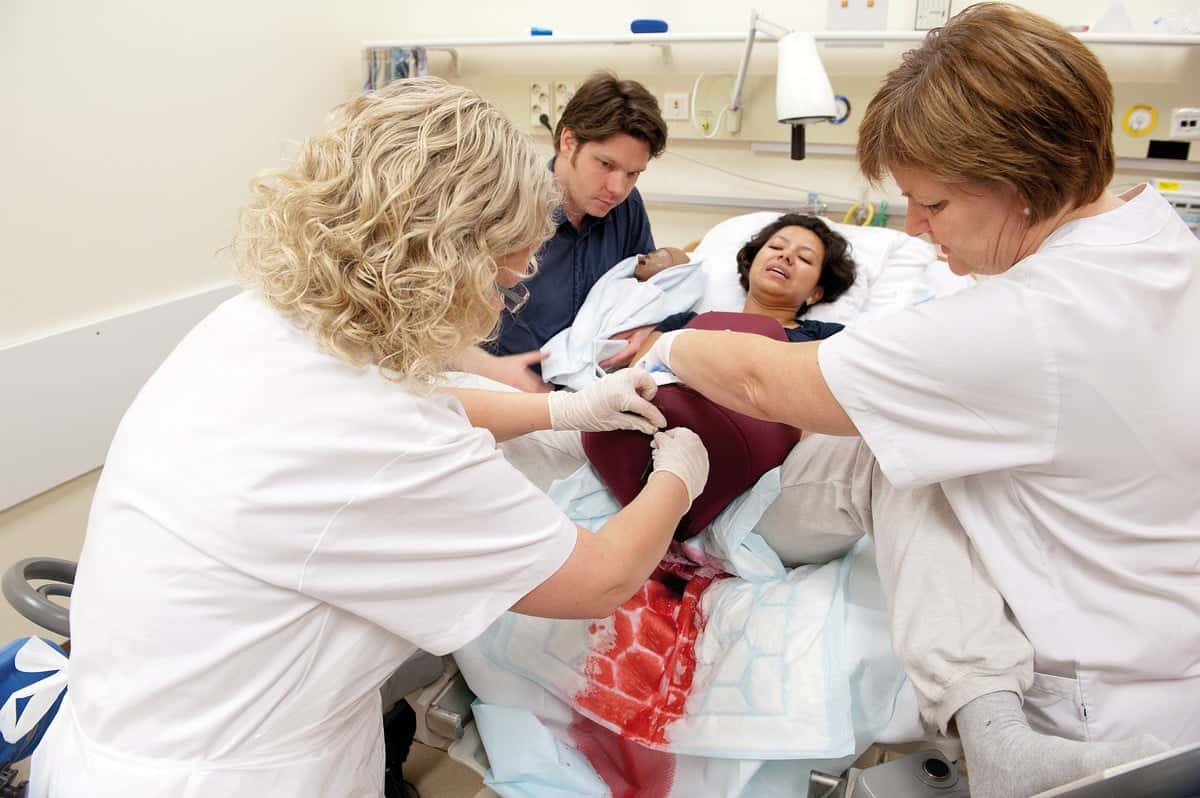
Most labor and delivery teams already train for maternal emergencies. Yet adverse events still occur, even in highly skilled organizations.

“Systems shape performance all the time,” Victoria explained. “We can have really great people doing a really good job but are unable to fully realize those skills if we have systems that don’t quite work.”

The discussion emphasized that maternal safety is influenced by much more than individual competency. Communication pathways, workflows, physical environments, equipment availability, team relationships, and organizational culture all affect how maternal care is delivered.


“We’re fallible as human beings; we make errors. So, taking care to pay attention to the systems we design and create ways that will keep an error from coming to fruition and hurting a patient would be a more sensible approach.”

Roxane Gardner, MD, MSHPEd, DSc

Division of Gynecology
Assistant Professor Harvard Medical School
Senior Director, Clinical Programs; Director, Fellowships & International Scholars Program, Center for Medical Simulation

Image of Roxane Gardner


Key takeaway: Focus on system reliability, not individual perfection. The safest maternal care environments are designed to help good teams perform consistently, even under pressure.


2. Training is necessary, but not sufficient.

Simulation training remains one of the most effective tools for preparing clinicians for rare and high-risk maternal events. However, the experts challenged organizations to broaden their thinking beyond education alone.


“In helping people do a good job of their knowledge and skills, we also need to help them do a good job by removing the barriers to actually exercising those skills.”

Victoria Brazil, MD, FACEM

Emergency Physician and Simulation Leader
Gold Coast Health & Bond University, Australia

Image of Victoria Brazil


“It’s not just about training and education and building up knowledge and competency per se,” Roxane agreed. “It’s within the context of the environment within which we work, our interprofessional relationships, and being mindful of that.”

Key takeaway: Ask not only whether your maternal team knows what to do, but whether your environment, workflows, and culture allow them to do it effectively.


3. Simulation can help uncover problems and test improvements.

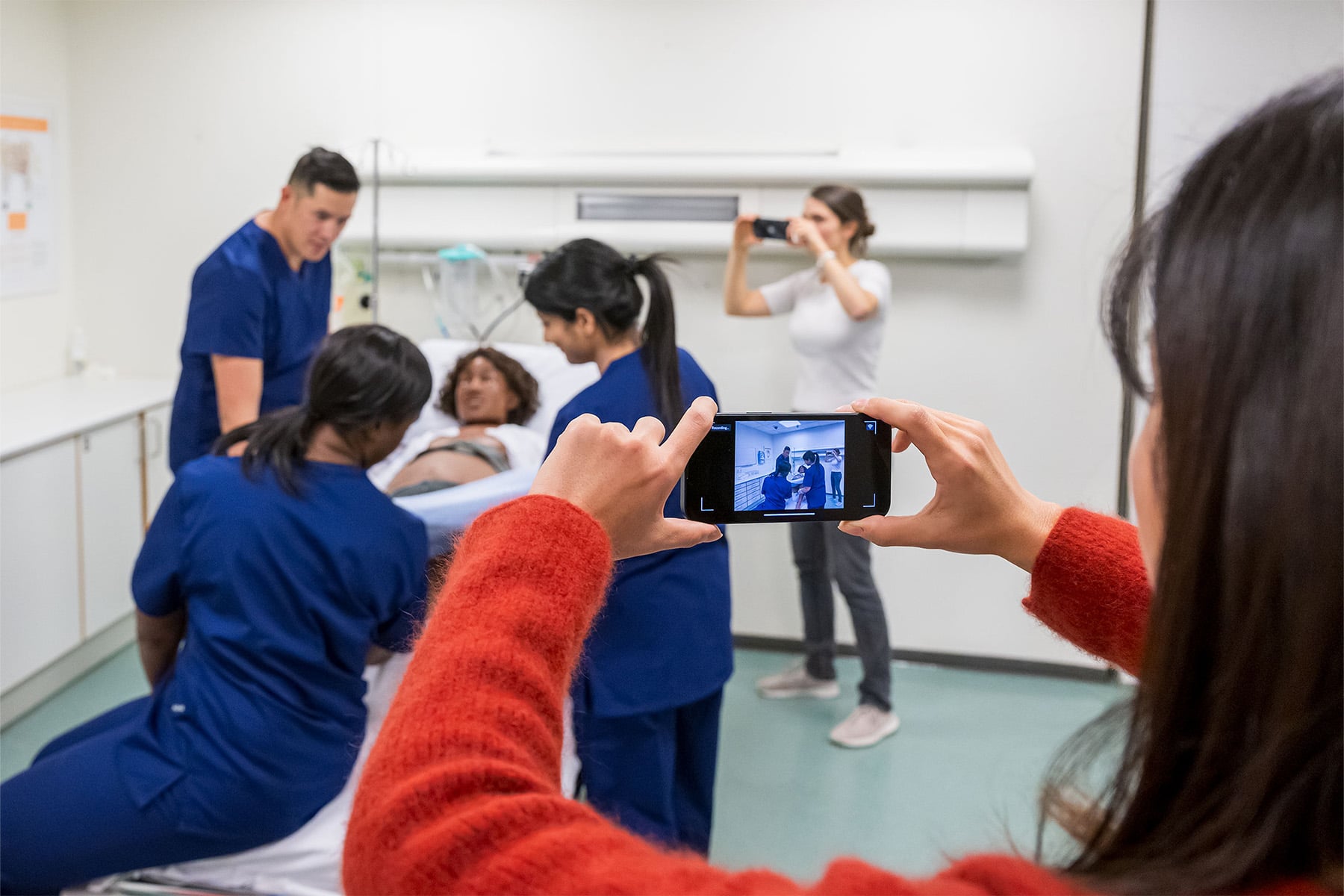
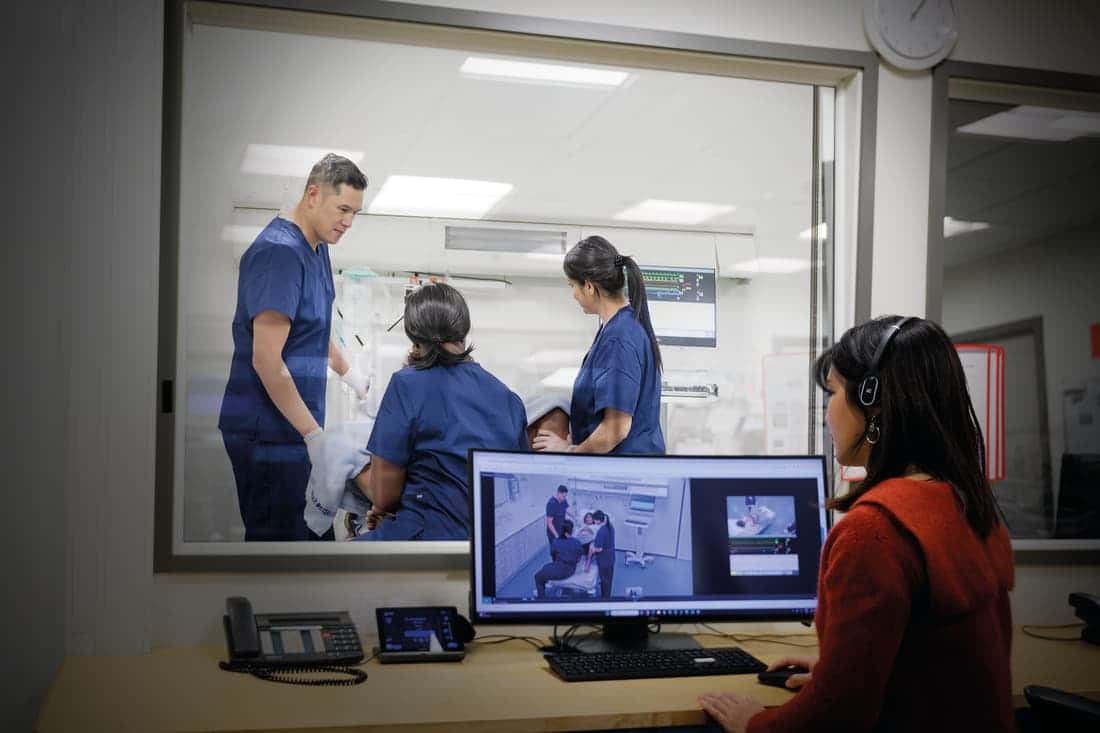
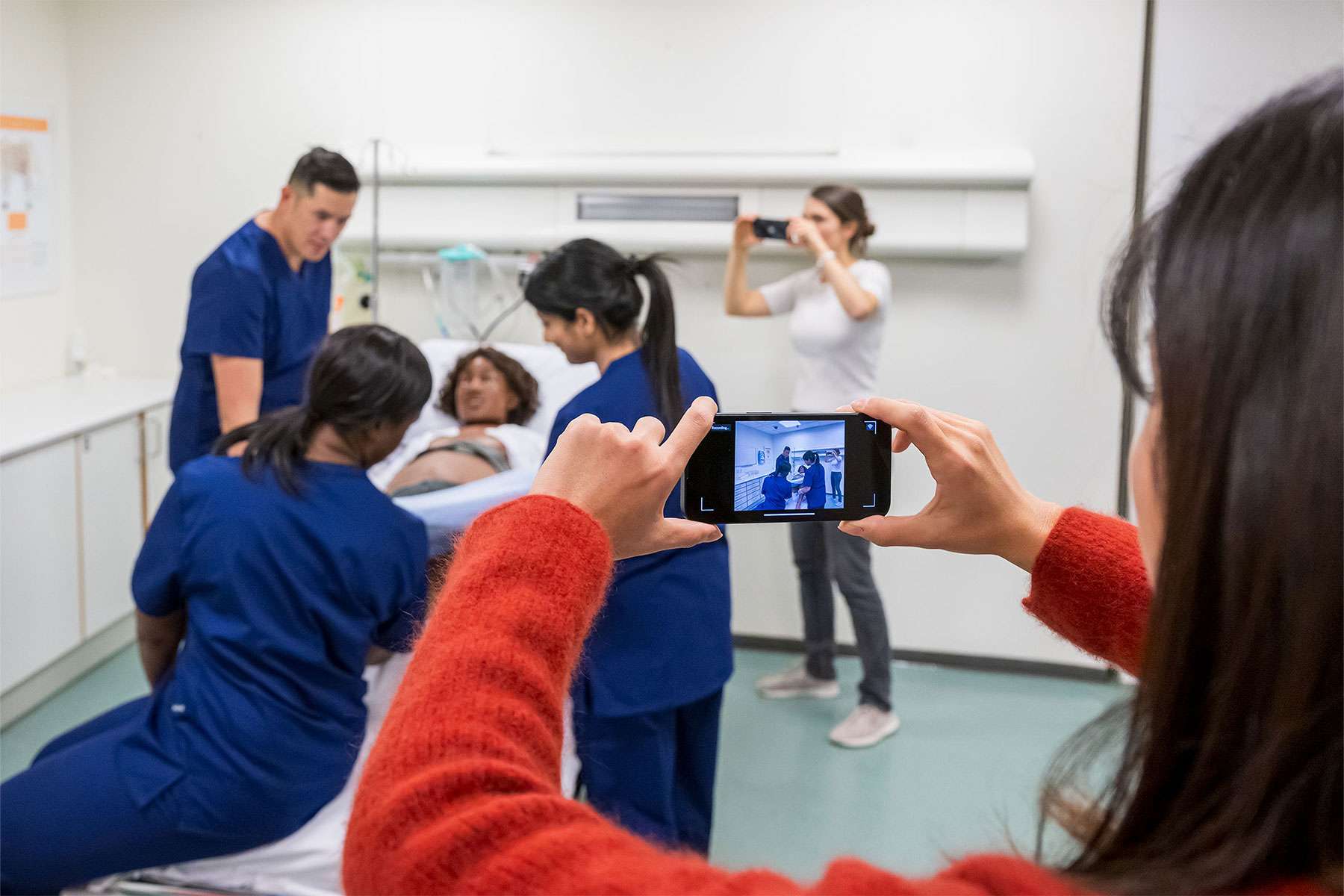
One of the central themes of the discussion was translational simulation: an approach that uses simulation to examine systems and processes.

This approach can help hospitals:

  • Explore communication challenges 
  • Evaluate equipment access and organization 
  • Assess care environments and unit layouts 
  • Identify barriers that delay escalation or teamwork

By examining workflows, communication pathways, equipment, environments, and team interactions, hospitals can gain a clearer understanding of how maternal care is actually delivered in practice.

Once those vulnerabilities are identified, simulation can also provide a safe way to evaluate potential solutions before changes are implemented in a real clinical environment.

“Sim has an important role within the process of quality improvement by understanding, sensing, and exploring how we do our work (that granular level), but then also potentially acting as a test bed if we want to try out new things,” Victoria explained.


Key takeaway: Use simulation to uncover system vulnerabilities and test potential improvements before implementing them in your maternal care setting.

 

4. Some of the most valuable improvements come from the frontline.

Throughout the discussion, both experts emphasized the importance of involving the people who do the work every day.

Frontline clinicians, nurses, midwives, support staff, unit coordinators, environmental services personnel, and other members of the maternal care team often have valuable insight into operational challenges, workarounds, and opportunities for improvement.

Simulation provides a structured way to bring those perspectives together, creating opportunities to identify problems, explore solutions, and learn from one another.


“Sometimes, interesting solutions to challenging situations have come from the least expected person you would have ever have thought.”

Roxane Gardner, MD, MSHPEd, DSc

Division of Gynecology
Assistant Professor Harvard Medical School
Senior Director, Clinical Programs; Director, Fellowships & International Scholars Program, Center for Medical Simulation

Image of Roxane Gardner


Key takeaway: Include the people closest to the work. Some of the most valuable safety improvements come from frontline clinicians, staff, and support teams who experience the system every day.


5. Continuous improvement happens between training events.

Many hospitals use simulation primarily for compliance, accreditation, or annual education requirements. While those activities remain important, the experts encouraged healthcare leaders to think about simulation as part of ongoing improvement work.


“People come to training just once a year. In my mind, you can only ever achieve so much with a drop in the ocean compared to everyday practice. You want translational sim to be running alongside everyday practice so that we can continually be reflecting on what’s working and what’s not.”

Victoria Brazil, MD, FACEM

Emergency Physician and Simulation Leader
Gold Coast Health & Bond University, Australia

Image of Victoria Brazil


Over time, these small, ongoing practices can help create a culture of continuous improvement where maternal care teams regularly reflect, learn, and identify opportunities to strengthen care. 

Organizations can begin with practical steps such as: 

  • Holding shift huddles 
  • Debriefing after significant events 
  • Conducting short, focused simulations 
  • Engaging multidisciplinary teams in improvement efforts 
  • Using simulation findings to inform broader quality initiatives 


Key takeaway: Move simulation from an annual training event to an ongoing improvement practice that helps maternal care teams continuously test, learn, and refine how care is delivered.


Watch the full webinar

These lessons were only some of the insights shared during the discussion. To hear the rest, watch the full on-demand webinar: The Future of Maternal Safety: From Training to Systems Improvement. This focused conversation explores how simulation can help improve maternal safety by strengthening not only the people delivering care, but the systems that support them.

photo of Roxane Gardner

Roxane Gardner, MD, MSHPEd, DSc

Pediatric & Adolescent Gynecologist, Division of Gynecology 
Assistant Professor of Obstetrics, Gynecology and Reproductive Biology, Harvard Medical School 
Senior Director, Clinical Programs; Director, Fellowships & International Scholars Program, Center for Medical Simulation 


Dr. Gardner's pioneering work in simulation, teamwork, communication, and patient safety has helped demonstrate how simulation can influence not only clinical performance, but real-world outcomes and organizational risk.


photo of Victoria Brazil

Victoria Brazil, MD, FACEM

Emergency Physician and Simulation Leader
Gold Coast Health & Bond University, Australia


Dr. Brazil is internationally recognized for advancing translational simulation—the use of simulation to improve healthcare systems by identifying risk, testing processes, and translating what teams learn into meaningful improvements in care.


Contact us about Health Quality Improvement Solutions

Manejaremos sus datos personales de contacto con cuidado como se describe en Laerdal's Privacy Policy.

You may also like...