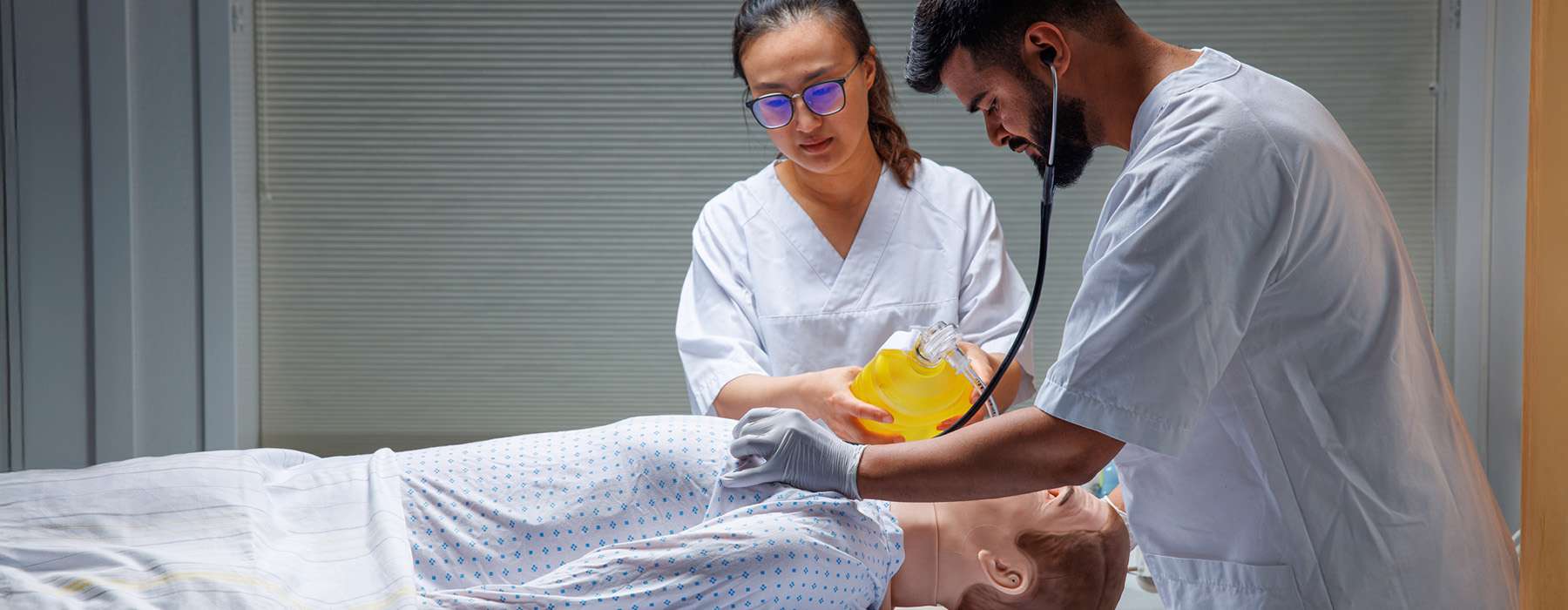
2. Strengthen clinical judgment through repeatable scenarios.
Foundational skills are only one part of respiratory competence. Clinicians must also demonstrate sound clinical judgment: recognizing signs of respiratory distress, interpreting patient assessments, prioritizing interventions, and responding appropriately as a patient's condition changes.
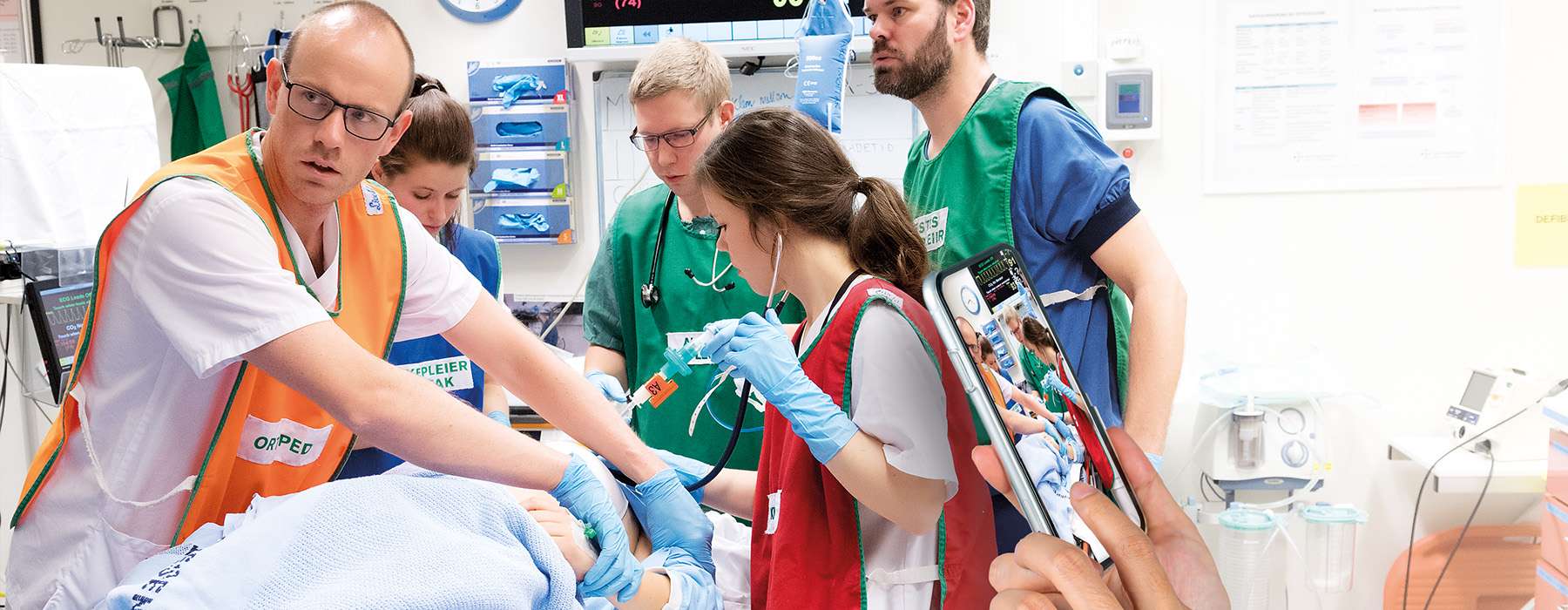
Experts agree that repeated exposure to clinical judgment is essential for developing and cementing learning, and research shows that the development of clinical judgment relies on cumulative knowledge and experience.
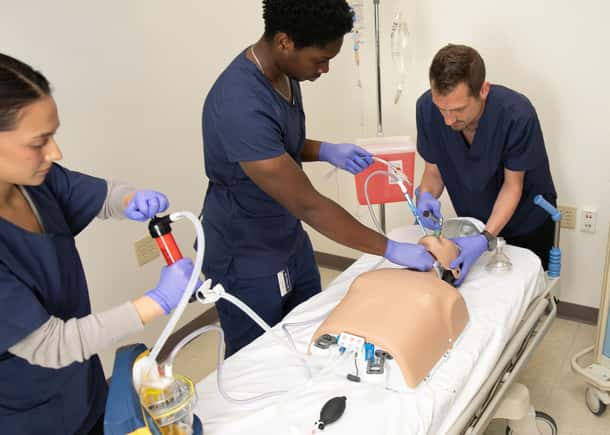
Because respiratory emergencies require rapid assessment, clinical decision-making, and intervention, maintaining respiratory competence is critical to patient safety and quality care. Simulation can help by providing repeatable opportunities for clinicians to assess patients, make decisions, evaluate outcomes, and adapt as conditions change. These experiences help build the judgment and decision-making capabilities needed in real-world respiratory care.
What this means for you
If you’re in healthcare: Strengthening clinical judgment through repeated simulation scenarios can help you build a more confident, competent workforce that is prepared to respond consistently during high-risk respiratory events.
If you’re in healthcare education: Repetition of respiratory simulation scenarios helps learners move beyond knowledge acquisition, building the confidence, decision-making ability, and clinical readiness needed to care for patients in real-world settings.
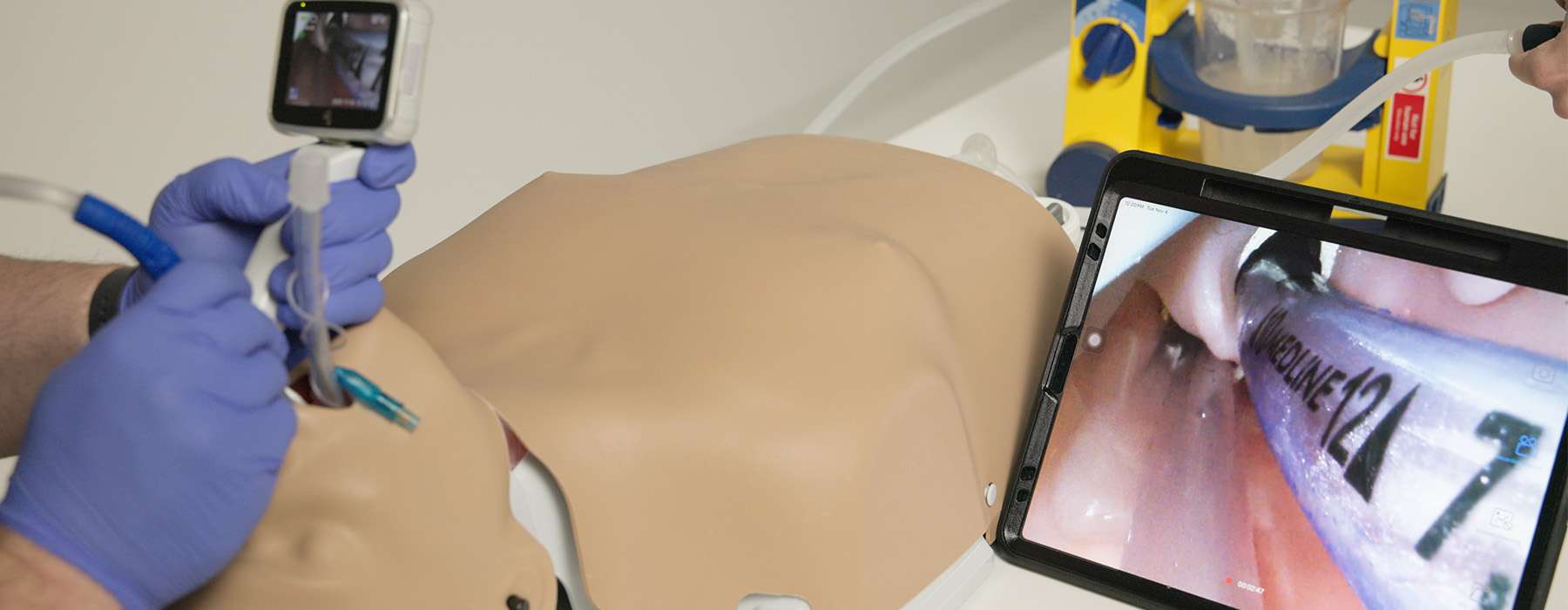
If you’re in EMS: Repeated training across diverse and challenging airway scenarios prepares providers by strengthening recognition, decision making and procedural confidence when seconds matter.
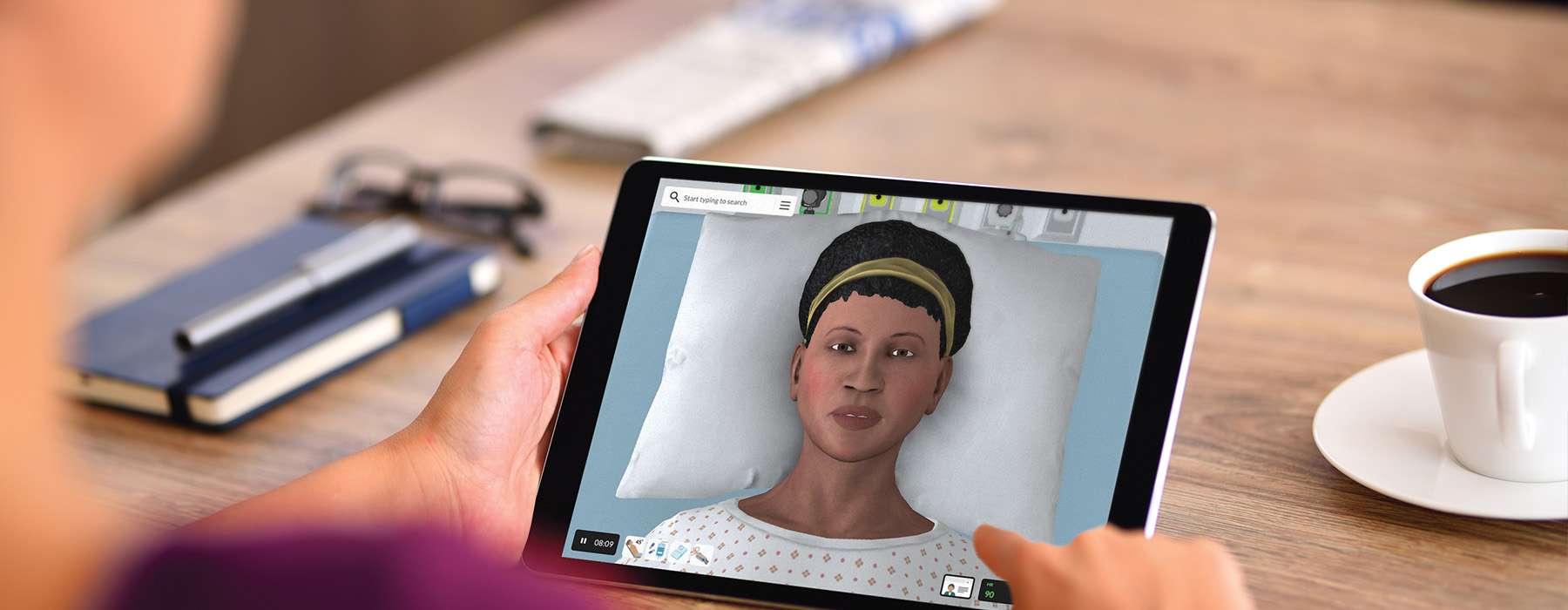
Training tip: Research indicates that virtual simulation is beneficial to the development of clinical judgment. Consider using it as a bridge to your high-fidelity respiratory care simulations. By giving learners repeated opportunities to assess patients, make decisions, receive feedback, and repeat scenarios independently, virtual simulation can help build clinical judgment before learners encounter similar patients in the sim lab.