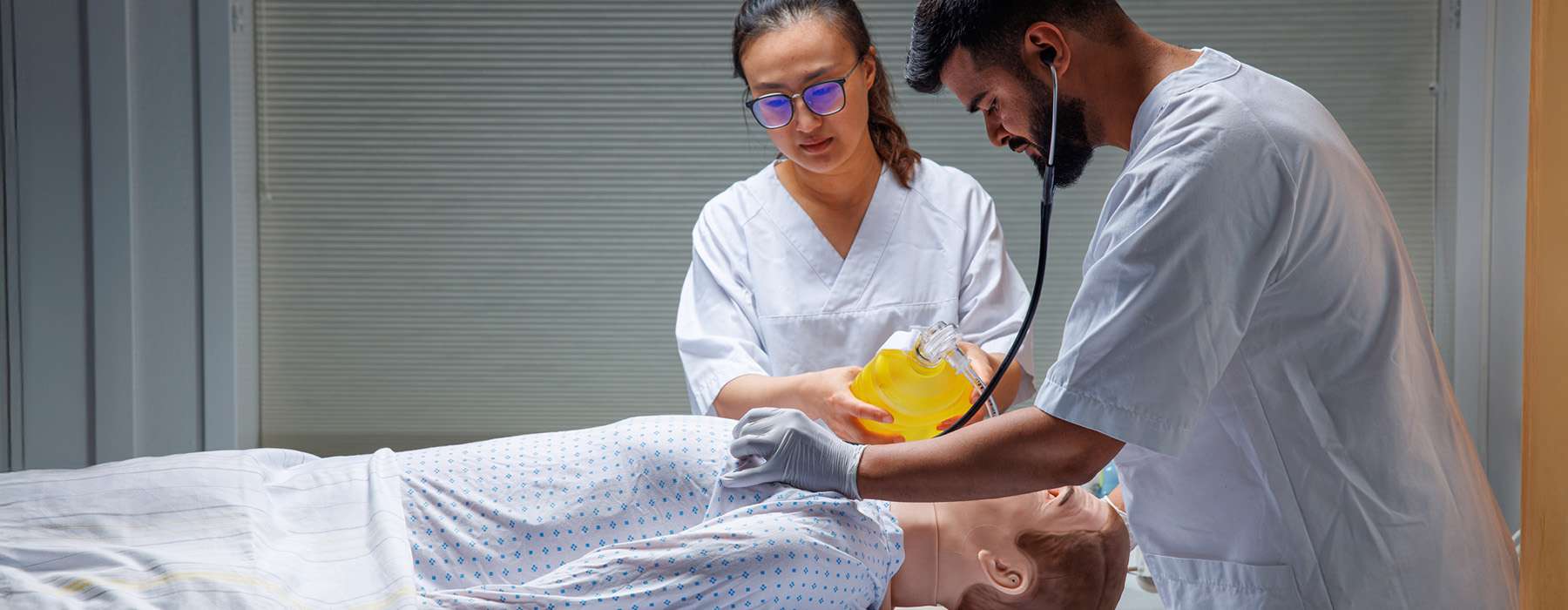
Een compleet platform voor training in beademing en ademhalingszorg
Respiratory Care Solutions
Een compleet platform voor training in beademing en ademhalingszorg
Meer wetenSimulation can help support progression from foundational skills to clinical performance.
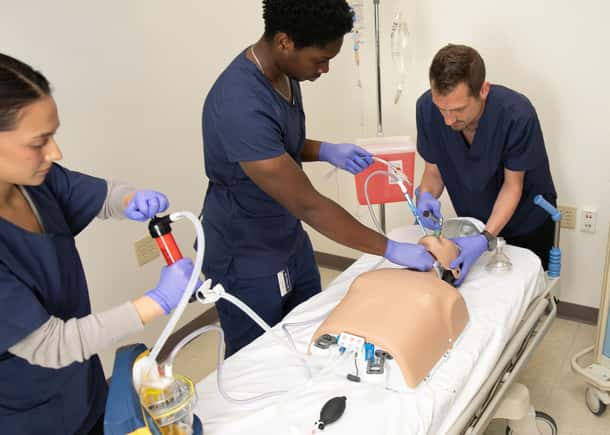
Building respiratory competence doesn't happen through a single training event.
From foundational skills to clinical judgment and team performance, clinicians need opportunities to practice, receive feedback, and develop over time. This is especially important when preparing for complex respiratory situations.
In this article, we explore three steps to building respiratory competence and share practical training tips along the way.
The scale of respiratory disease highlights why respiratory competence remains a critical focus for healthcare organizations.

Global causes of death are respiratory-related conditions1

people are living with chronic respiratory diseases globally2

deaths were attributed to chronic respiratory diseases in 20233
While respiratory diseases are common, opportunities to manage complex, high-risk clinical events may be limited. As a result, organizations need ways to help clinicians build confidence, develop competency, and gain experience before those skills are required in patient care.
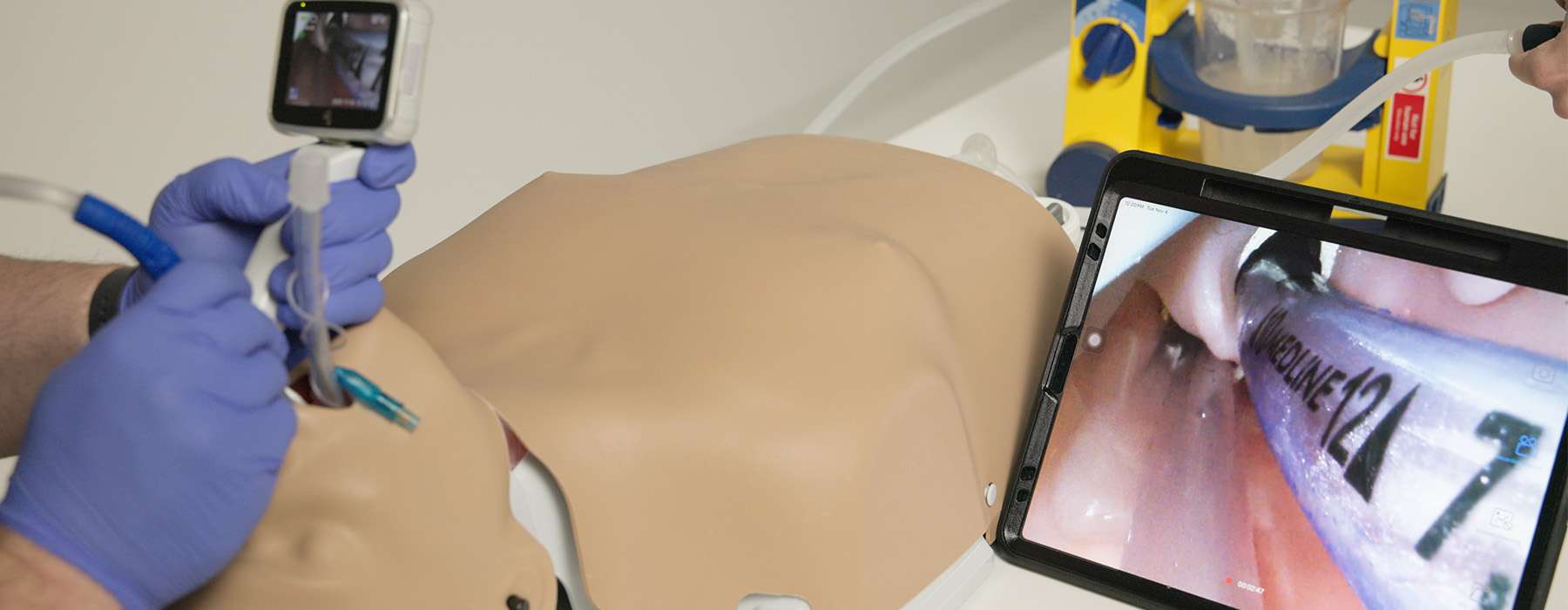
Before clinicians can make complex decisions or work effectively within a team, they need confidence in foundational respiratory skills. That confidence comes from deliberate practice.
“You can't just ‘one-and-done’ a skill,” explains Alyssa Zweifel, PhD, RN, CHSE, Director of the Healthcare Simulation Center and Assistant Professor South Dakota State University. “You have to build that repetition [to build] confidence.”
Rapid-cycle deliberate practice (RCDP) is one approach to mastering essential respiratory skills. RCDP pauses scenarios for feedback and reflection, allowing participants to immediately repeat and improve key actions.
Research supports the value of RCDP in respiratory care. In one randomized simulation study, learners who received RCDP in airway management with real-time feedback demonstrated greater improvement than learners who received traditional post-scenario feedback.
If you’re in healthcare: Deliberate practice helps clinicians build confidence and proficiency in foundational respiratory skills before encountering similar situations in patient care. This can support more effective onboarding, competency development, and workforce readiness.
If you’re in healthcare education: Deliberate practice helps learners build confidence in foundational respiratory skills before they enter clinical environments.
If you’re in EMS: Deliberate practice can help EMS clinicians build confidence and proficiency in foundational airway skills so they are better prepared to perform them in time-sensitive, high-risk situations.
Training tip: When selecting respiratory competency solutions, look beyond immediate training needs and consider how they can support long-term clinician development, skills reinforcement, and readiness across the respiratory learning journey. For example, a solution like the Laerdal Advanced Airway Solution can help clinicians build foundational airway skills and confidence early on while creating opportunities for later growth in clinical judgment and team performance.

Foundational skills are only one part of respiratory competence. Clinicians must also demonstrate sound clinical judgment: recognizing signs of respiratory distress, interpreting patient assessments, prioritizing interventions, and responding appropriately as a patient's condition changes.
Experts agree that repeated exposure to clinical judgment is essential for developing and cementing learning, and research shows that the development of clinical judgment relies on cumulative knowledge and experience.
Because respiratory emergencies require rapid assessment, clinical decision-making, and intervention, maintaining respiratory competence is critical to patient safety and quality care. Simulation can help by providing repeatable opportunities for clinicians to assess patients, make decisions, evaluate outcomes, and adapt as conditions change. These experiences help build the judgment and decision-making capabilities needed in real-world respiratory care.
If you’re in healthcare: Strengthening clinical judgment through repeated simulation scenarios can help you build a more confident, competent workforce that is prepared to respond consistently during high-risk respiratory events.
If you’re in healthcare education: Repetition of respiratory simulation scenarios helps learners move beyond knowledge acquisition, building the confidence, decision-making ability, and clinical readiness needed to care for patients in real-world settings.
If you’re in EMS: Repeated training across diverse and challenging airway scenarios prepares providers by strengthening recognition, decision making and procedural confidence when seconds matter.
Training tip: Research indicates that virtual simulation is beneficial to the development of clinical judgment. Consider using it as a bridge to your high-fidelity respiratory care simulations. By giving learners repeated opportunities to assess patients, make decisions, receive feedback, and repeat scenarios independently, virtual simulation can help build clinical judgment before learners encounter similar patients in the sim lab.
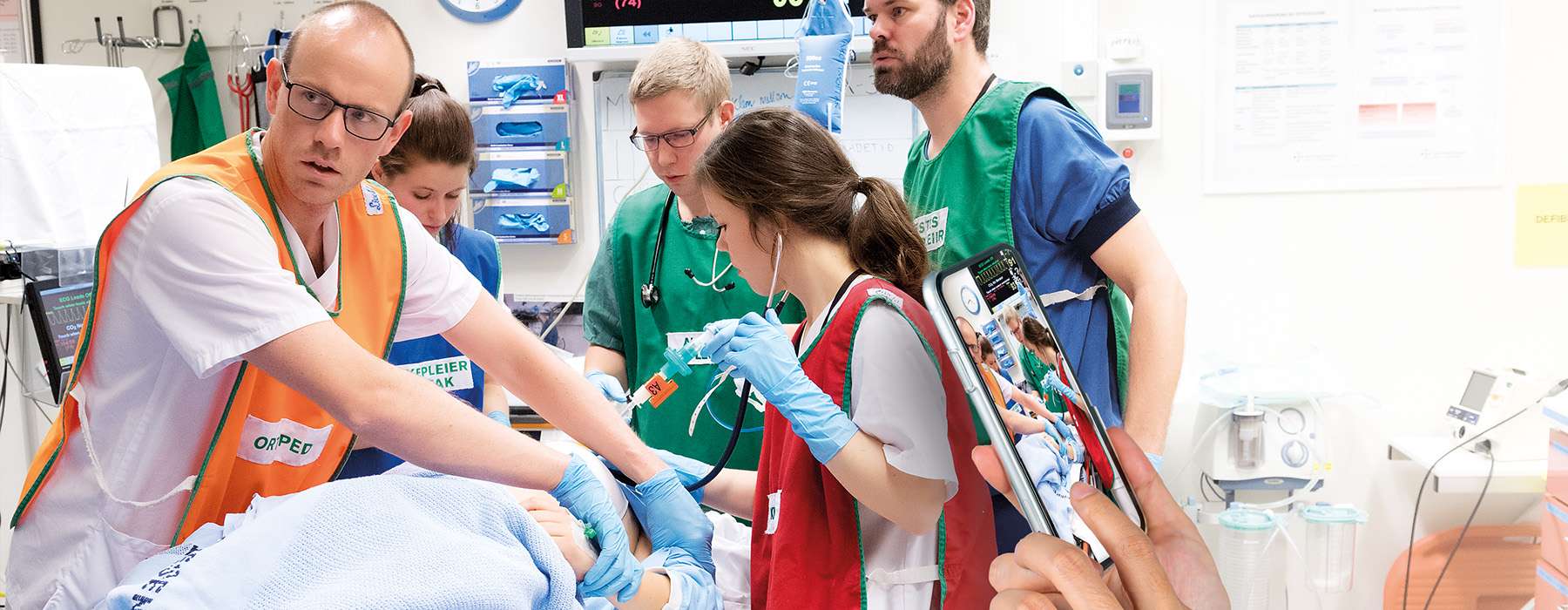
A team of experts isn’t the same as an expert team.
Clinical judgment is essential, but respiratory care rarely depends on a single clinician. Whether managing a difficult airway, responding to patient deterioration, or coordinating care during an emergency, clinicians rely on communication, coordination, situational awareness, and teamwork.
Team training with high-fidelity simulation can create opportunities for teams to practice together in realistic respiratory situations.
One systematic review found that simulation-based team training in cardiopulmonary and respiratory care scenarios led to consistent improvement in closed-loop communication, role clarity, team dynamics, and mutual respect. And, it even helped teams feel a greater sense of empowerment.
If you’re in healthcare: When teams share a common approach to communication, decision-making, and coordination, it can help promote greater consistency during low-frequency, high-risk respiratory events and reduce variability across departments.
If you’re in healthcare education: Individual competence is only part of clinical readiness for respiratory care. Learning how to communicate, collaborate, and make decisions as part of a team helps prepare students for the realities of patient care.
If you’re in EMS: Practicing airway emergencies as a team strengthens communication, role clarity and decision-making, helping crews perform more effectively during high-pressure airway events.
Training tip: Consider recording your team's respiratory simulation sessions and using the footage during debriefing. Reviewing communication patterns, role clarity, and decision-making together can reveal opportunities for improvement that are easy to miss in the moment.
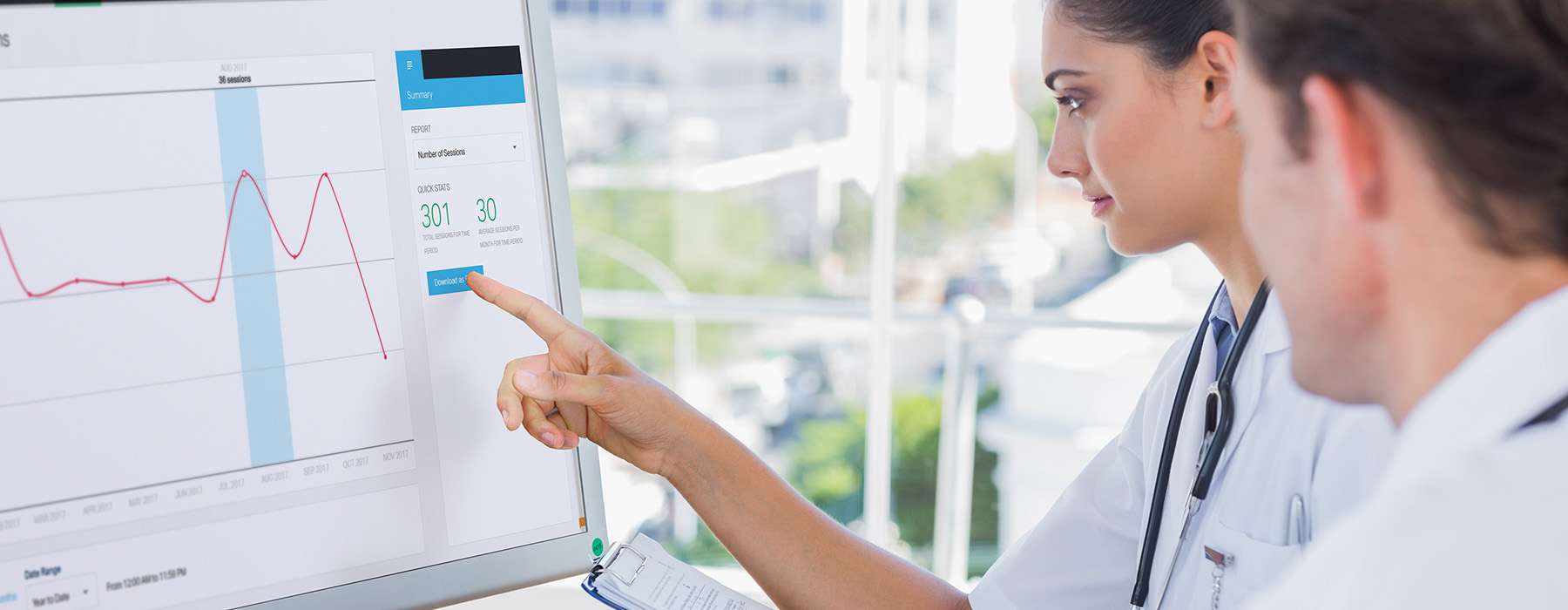
As clinicians progress from foundational respiratory skills to clinical judgment and team performance, organizations need ways to assess development, identify gaps, and reinforce learning over time.
A simulation management system can help you document performance, track progression, and support competency validation across the respiratory learning journey. Rather than simply collecting performance data, a system like SimCapture can help translate results into actionable insights that can inform feedback, remediation, and future learning experiences.
If you’re in healthcare: Visibility into clinician progression can help you identify development needs, provide more targeted coaching and feedback, and support respiratory competency programs as clinicians advance from foundational skills to increasingly complex patient care situations.
If you’re in healthcare education: Assessment data can help you identify learning gaps, document competency development, and provide evidence that learners are building readiness for respiratory clinical practice. These insights can also help you provide targeted feedback, reinforce learning, and guide students as they develop competence.
If you’re in EMS: Visibility into airway skill development helps educators identify coaching opportunities, provide targeted feedback and build confidence and competency across complex and contaminated airway scenarios.