Measure to Improve
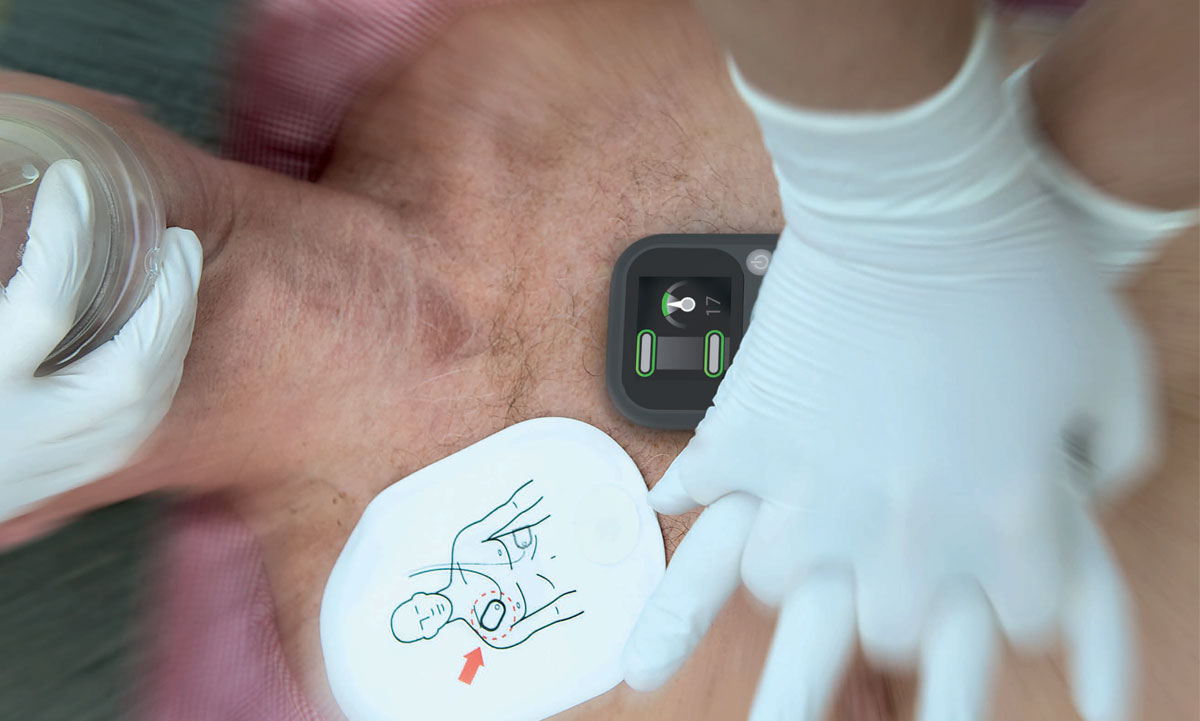
Help ensure quality CPR with real-time feedback.
Meer weten

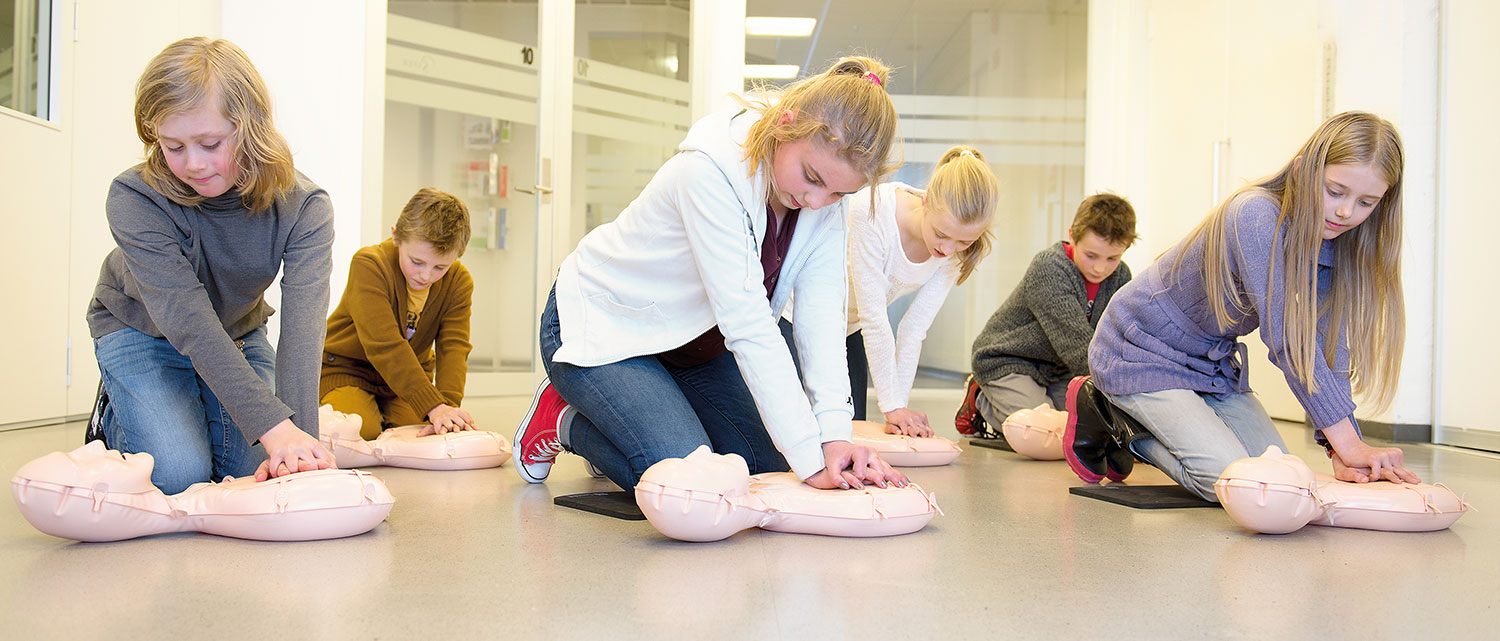
Over 350,000 people suffer out-of-hospital cardiac arrests each year in the U.S. Only 10% of them survive. Survival depends on getting CPR immediately from a bystander within the first few minutes following cardiac arrest, before first responders arrive. The solution lies in widespread community CPR training. Educating the lay public on the importance of CPR and how to perform it will increase the number of lifesavers in our communities.1
National CPR and AED Awareness Week is intended to further educate Americans about the necessity of CPR and Automated External Defibrillator (AED) training. Each year, CPR/AED classes and demonstrations are conducted, events are hosted and educational information is distributed on the importance of being trained in CPR and AED use.
If you haven’t improved your community, where people are not only having a chance but really are being resuscitated in higher numbers, then there’s no reason to get excited about post-resuscitation care. … The foundation has to be good bystander involvement.
Bystander CPR is arguably the most important link in the chain of survival. Every study that’s ever been published has shown that bystander CPR will increase survival by 2 to 3 fold. … With the advent of hands-only CPR, we have a huge opportunity to train lots of people very quickly—and so we have a real opportunity to change behavior.
It’s the local champions… It’s the citizen who’s taken the time to train and learn, and receive that information and act and act well. That’s what’s making the difference.
The fact that somebody is doing something before we get there gives the patient a better positive chance at a recovery, it gives us something better to work with – it’s a perfused heart, it’s more susceptible to the medicines we give, the procedures that we’re able to perform, and the hope to have that positive outcome.
My passion in life…is to help educate the community, and everyone there, on what to do when something happens — so they don’t stand there feeling helpless. We want them to recognize an arrest, we want them to immediately activate the emergency medical system by calling 911, and then put their hands in the middle of the chest and push hard and fast. ... This is going to maximize the opportunity for survival.
The Resuscitation Academy was created in 2008 by the EMS leaders in Seattle, King County, Washington to help other communities improve their cardiac arrest survival rates. Since that time, the RA has touched hundreds of EMS systems, sharing resources, strategies, philosophy, and inspiration along the way. The goal of the Resuscitation Academy is to improve survival from cardiac arrest.
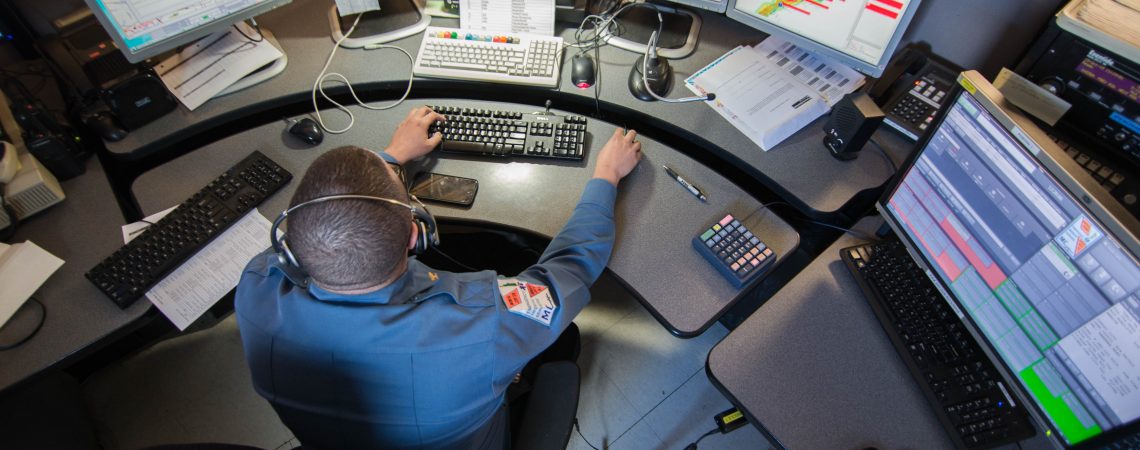
Reuscitation Academy
2016 saw important developments in resuscitation science and practice — among them the establishment of a Global Resuscitation Alliance, the adoption of a shared set of international treatment guidelines for sudden cardiac arrest, and detailed examinations of the ongoing science regarding telephone CPR (TCPR).

Resuscitation Academy
Around the world, the survival rate from cardiac arrest varies widely depending on where you live — and the statistics can be daunting. Research shows the survival rate in some communities is close to zero, while in others it’s over 50% for ventricular fibrillation (VF).
Resuscitation Academy
“How can we do better?” That was the rallying cry of the late Seattle Fire Captain Craig Aman, a tireless advocate for improving cardiac arrest survival rates. In pursuit of that goal, one often hears the phrase, “high-performance CPR”. But what does that mean in practical terms? And how can EMS teams know they’re actually doing it?
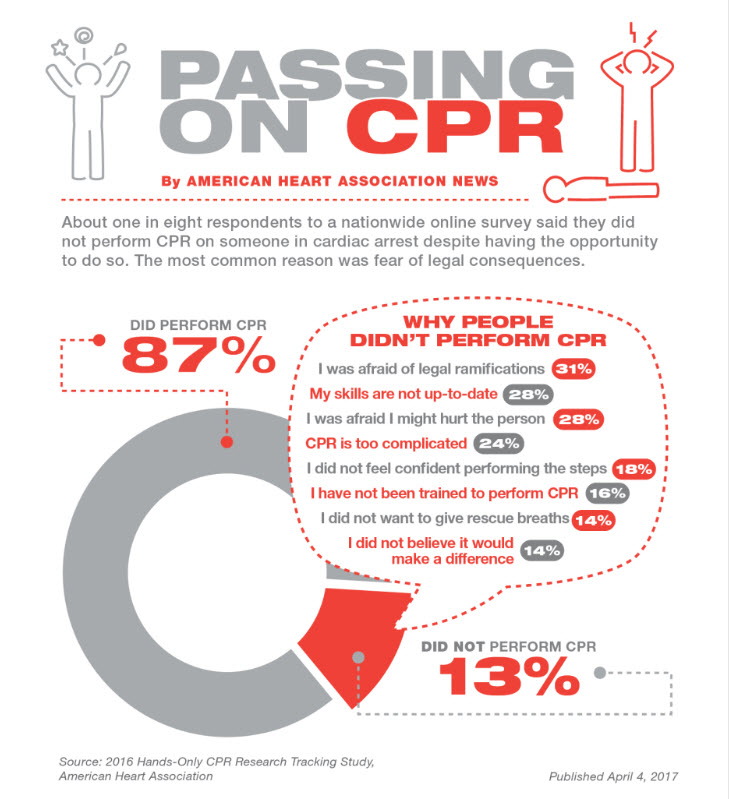
70 percent of out-of-hospital cardiac arrests happen in homes. Unfortunately, only about 46% of people who experience an out-of-hospital cardiac arrest get the immediate help that they need before professional help arrives.2
It is essential for people in the community to act. The solution is widespread training of CPR throughout communities. Early recognition of a beginning cardiac arrest and knowing what to do next can dramatically improve patient outcomes and survival.
Laerdal’s commitment to helping save lives is deeply rooted in a strong dedication to improve patient survival. For over 50 years, we have strived continuously to develop needs-based products and solutions that make an impact in each person's life.