Measure to Improve
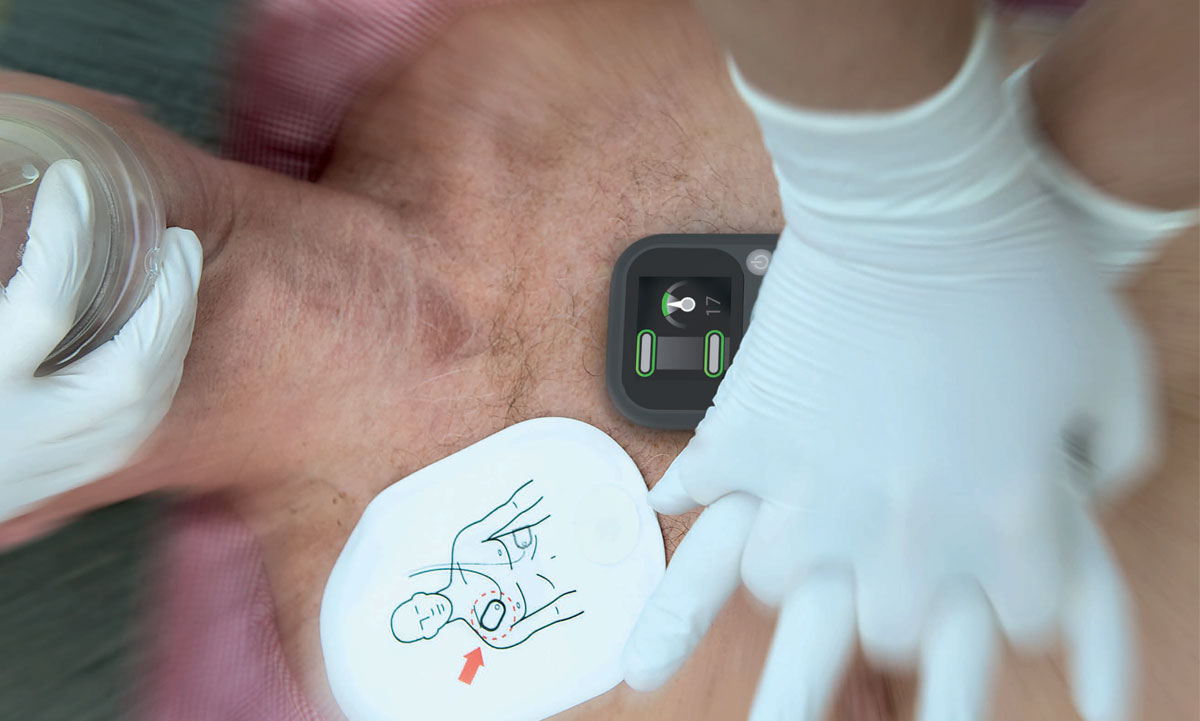
Help ensure quality CPR with real-time feedback.
Más información

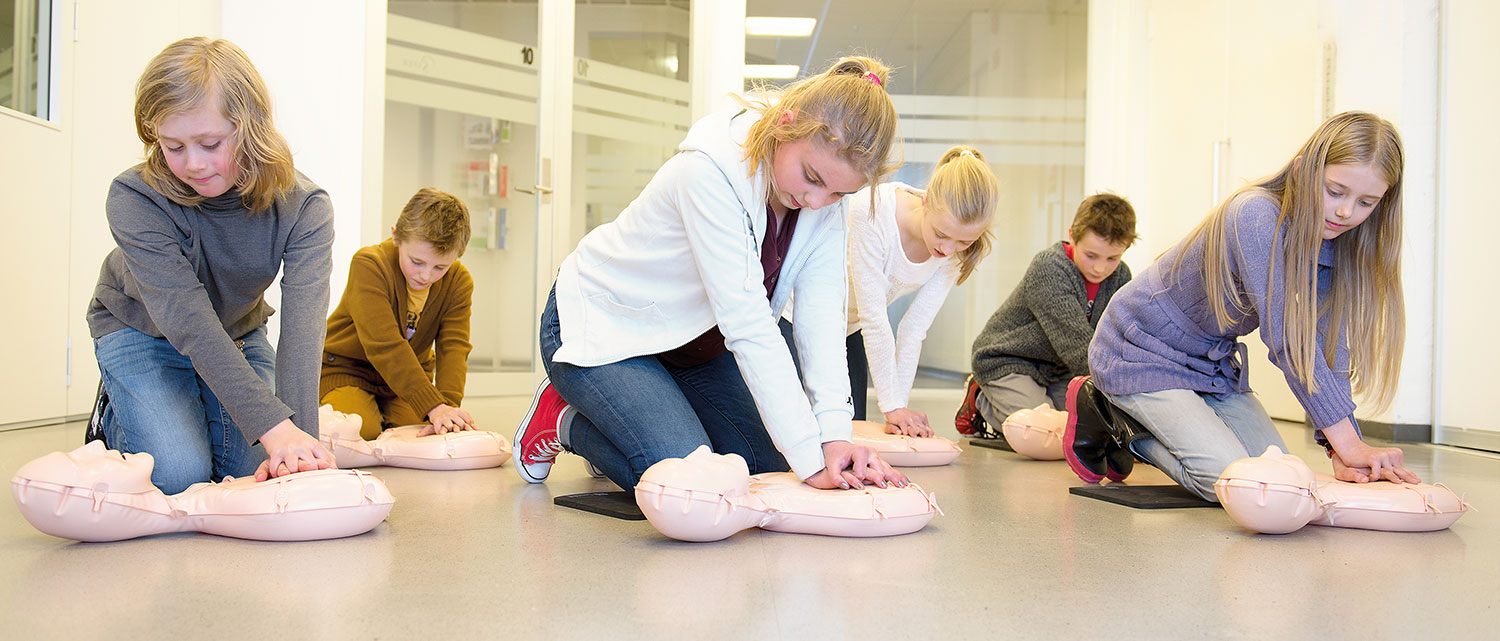
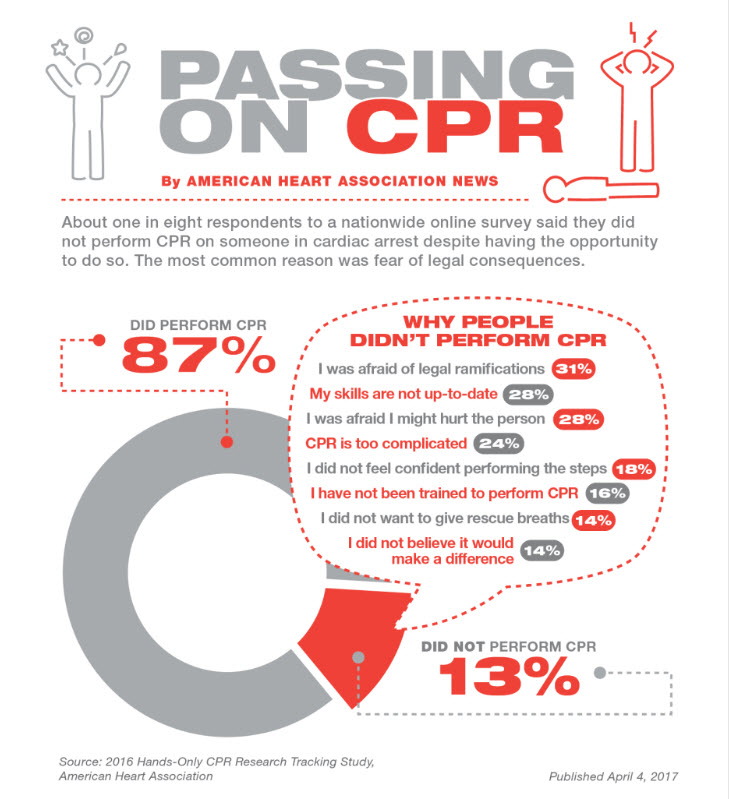
Over 350,000 people suffer out-of-hospital cardiac arrests each year in the U.S. Only 10% of them survive. Survival depends on getting CPR immediately from a bystander within the first few minutes following cardiac arrest, before first responders arrive. The solution lies in widespread community CPR training. Educating the lay public on the importance of CPR and how to perform it will increase the number of lifesavers in our communities.1
National CPR and AED Awareness Week is intended to further educate Americans about the necessity of CPR and Automated External Defibrillator (AED) training. Each year, CPR/AED classes and demonstrations are conducted, events are hosted and educational information is distributed on the importance of being trained in CPR and AED use.
Si no ha mejorado su comunidad, donde las personas no solo tienen una oportunidad sino que realmente están siendo resucitadas en números más altos, entonces no hay razón para entusiasmarse con la atención posterior a la reanimación. ... La fundación debe ser una buena participación de espectadores.
CPR espectador é sem dúvida o elo mais importante na cadeia de sobrevivência. Todos os estudos já publicados mostraram que a RCP por espectador aumentará a sobrevida em 2 a 3 vezes. ... Com o advento da RCP apenas com as mãos, temos uma enorme oportunidade de treinar muitas pessoas muito rapidamente - e temos uma oportunidade real de mudar o comportamento.
Es el ciudadano que tiene tiempo para entrenar y aprender y recibir esa información y actuar y actuar bien. Eso es lo que está haciendo la diferencia.
El hecho de que alguien esté haciendo algo antes de que lleguemos allí le brinda al paciente una mejor oportunidad positiva de recuperación, nos brinda algo mejor para trabajar: es un corazón perfundido, es más susceptible a los medicamentos que administramos, a los procedimientos que utilizamos. poder realizar, y la esperanza de tener ese resultado positivo.
Mi pasión en la vida ... es ayudar a educar a la comunidad, ya todos los que están allí, sobre qué hacer cuando sucede algo, para que no se queden sin sentirse impotentes. Queremos que reconozcan un arresto, queremos que activen de inmediato el sistema médico de emergencia llamando al 911, y luego pongan sus manos en el centro del pecho y presionen fuerte y rápido. ... Esto va a maximizar la oportunidad de supervivencia.
The Resuscitation Academy was created in 2008 by the EMS leaders in Seattle, King County, Washington to help other communities improve their cardiac arrest survival rates. Since that time, the RA has touched hundreds of EMS systems, sharing resources, strategies, philosophy, and inspiration along the way. The goal of the Resuscitation Academy is to improve survival from cardiac arrest.
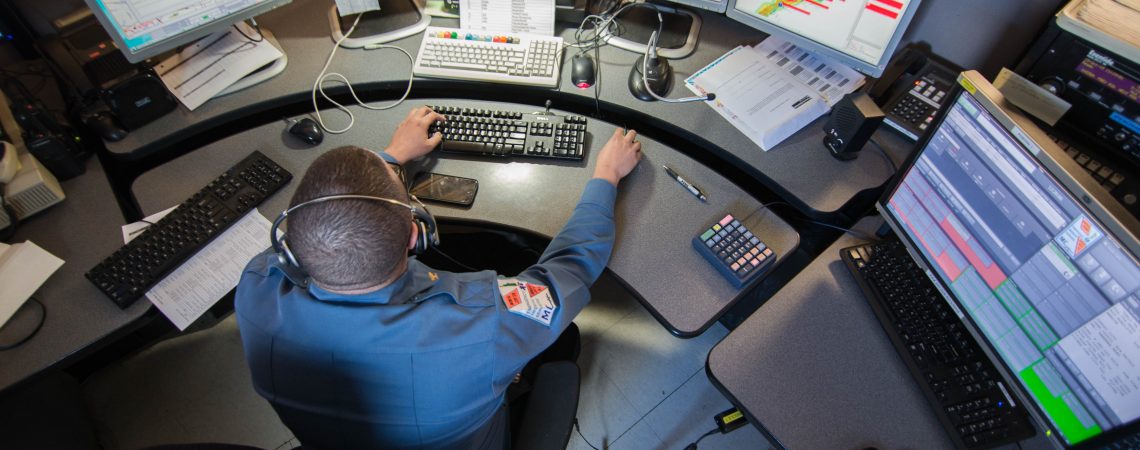
Reuscitation Academy
2016 saw important developments in resuscitation science and practice — among them the establishment of a Global Resuscitation Alliance, the adoption of a shared set of international treatment guidelines for sudden cardiac arrest, and detailed examinations of the ongoing science regarding telephone CPR (TCPR).
Resuscitation Academy
Around the world, the survival rate from cardiac arrest varies widely depending on where you live — and the statistics can be daunting. Research shows the survival rate in some communities is close to zero, while in others it’s over 50% for ventricular fibrillation (VF).
Resuscitation Academy
“How can we do better?” That was the rallying cry of the late Seattle Fire Captain Craig Aman, a tireless advocate for improving cardiac arrest survival rates. In pursuit of that goal, one often hears the phrase, “high-performance CPR”. But what does that mean in practical terms? And how can EMS teams know they’re actually doing it?
70 percent of out-of-hospital cardiac arrests happen in homes. Unfortunately, only about 46% of people who experience an out-of-hospital cardiac arrest get the immediate help that they need before professional help arrives.2
It is essential for people in the community to act. The solution is widespread training of CPR throughout communities. Early recognition of a beginning cardiac arrest and knowing what to do next can dramatically improve patient outcomes and survival.
Laerdal’s commitment to helping save lives is deeply rooted in a strong dedication to improve patient survival. For over 50 years, we have strived continuously to develop needs-based products and solutions that make an impact in each person's life.