6. Sustainable readiness requires integration, not isolated activity
An annual pediatric course can play an important role in preparedness. But no single course can address every competency, team interaction, or system vulnerability.
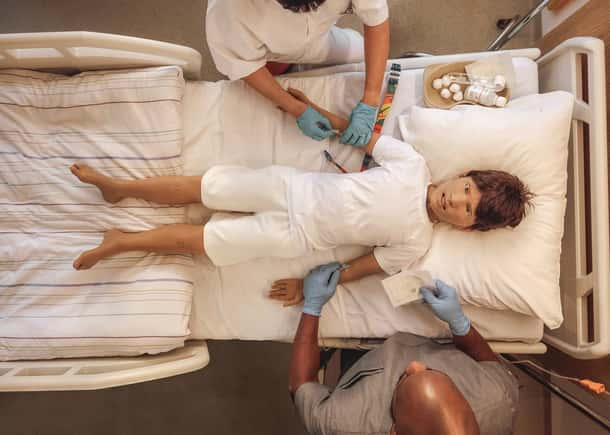
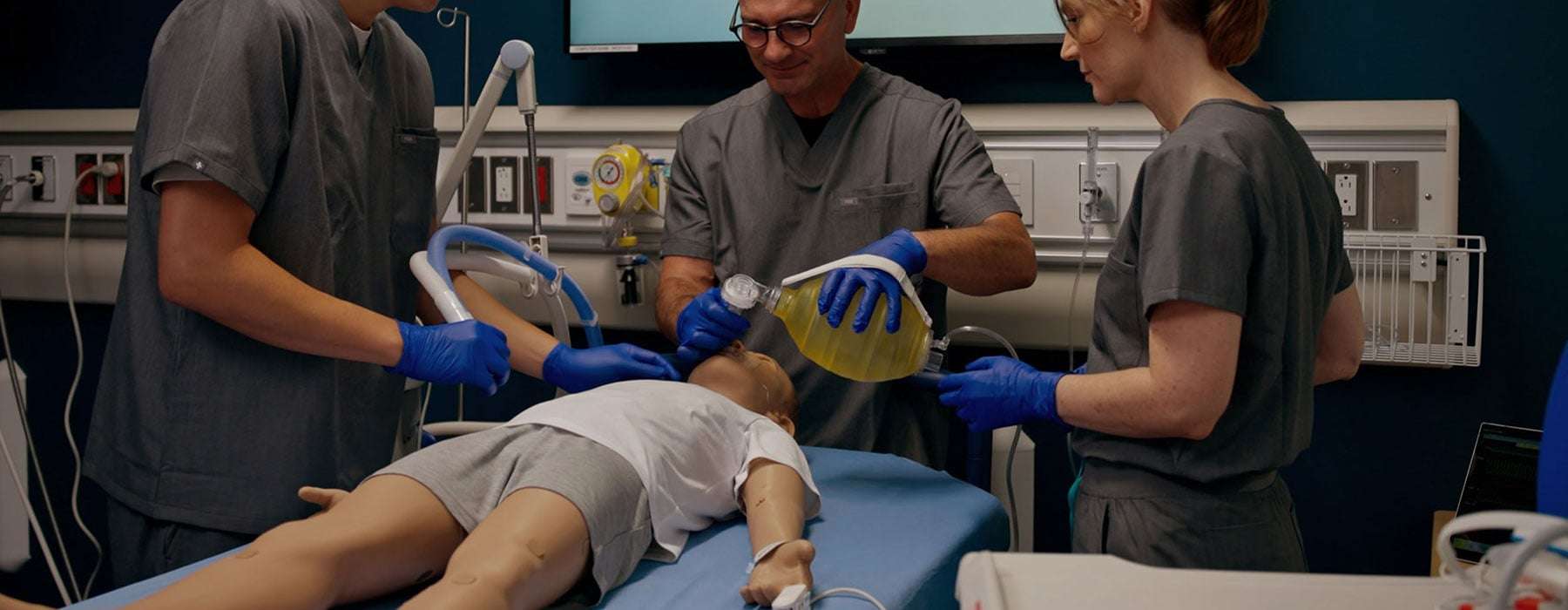
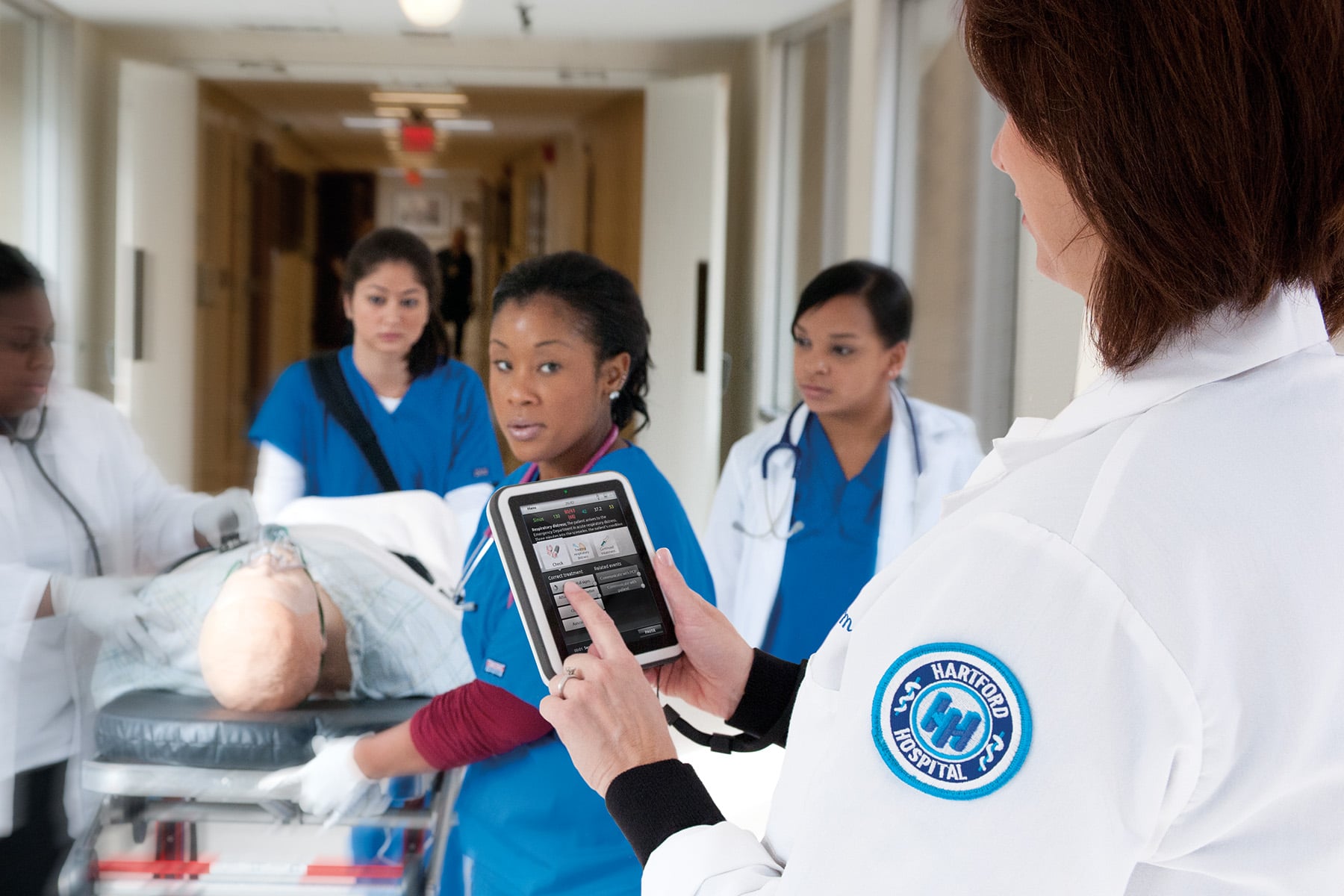
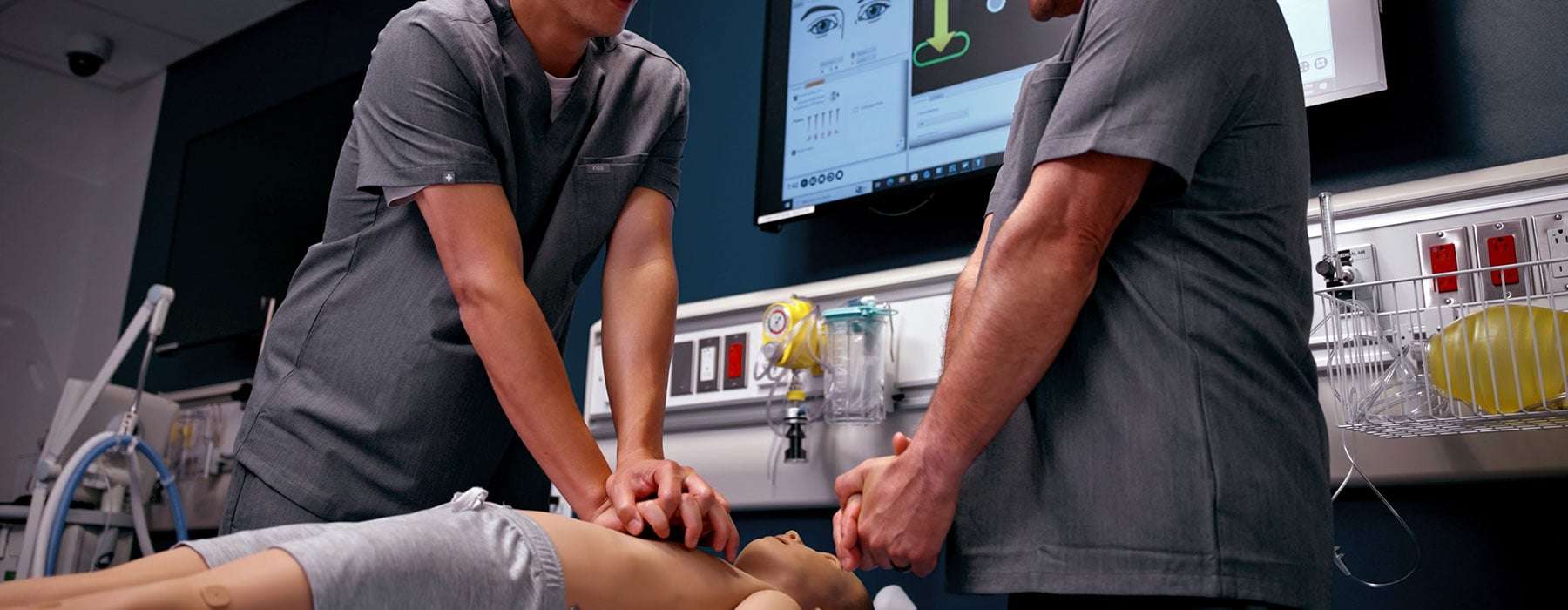
The Pediatric Readiness in the Emergency Department: Technical Report recommends baseline and periodic competency evaluation, continuing pediatric education, team training, and effective communication, supported through approaches including continuing education, mock codes, simulation, direct observation, and chart review.⁵
The exact mix will differ by workforce, resources, referral pathways, and local burden. Education, clinical leadership, quality improvement, equipment management, and policy still need ways to connect.
Systematic reviews of pediatric simulation show benefits while also highlighting heterogeneous methods, variable outcome measures, and limited patient-level evidence. ⁷˒⁸
Rather than asking only how much training has been delivered, organizations can ask whether practice responds to identified risks — and whether performance or processes improve as a result.
Actions to consider
Follow one finding from a recent pediatric training activity. Did it stay within the education team, or did it reach the people responsible for clinical practice, quality, equipment, operations, or policy?
If findings stop when the exercise ends, opportunities for broader improvement may be lost.