How feedback and debriefing turn activity into learning
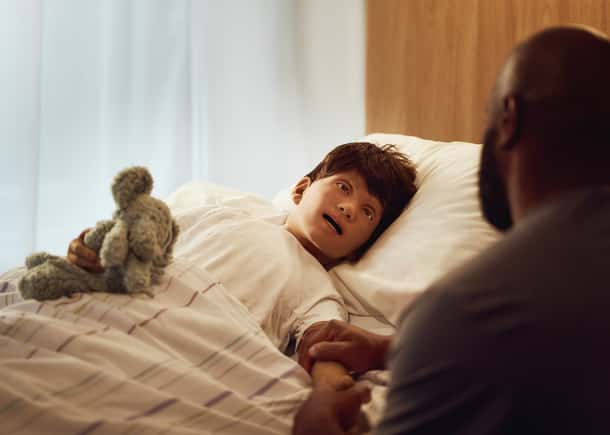
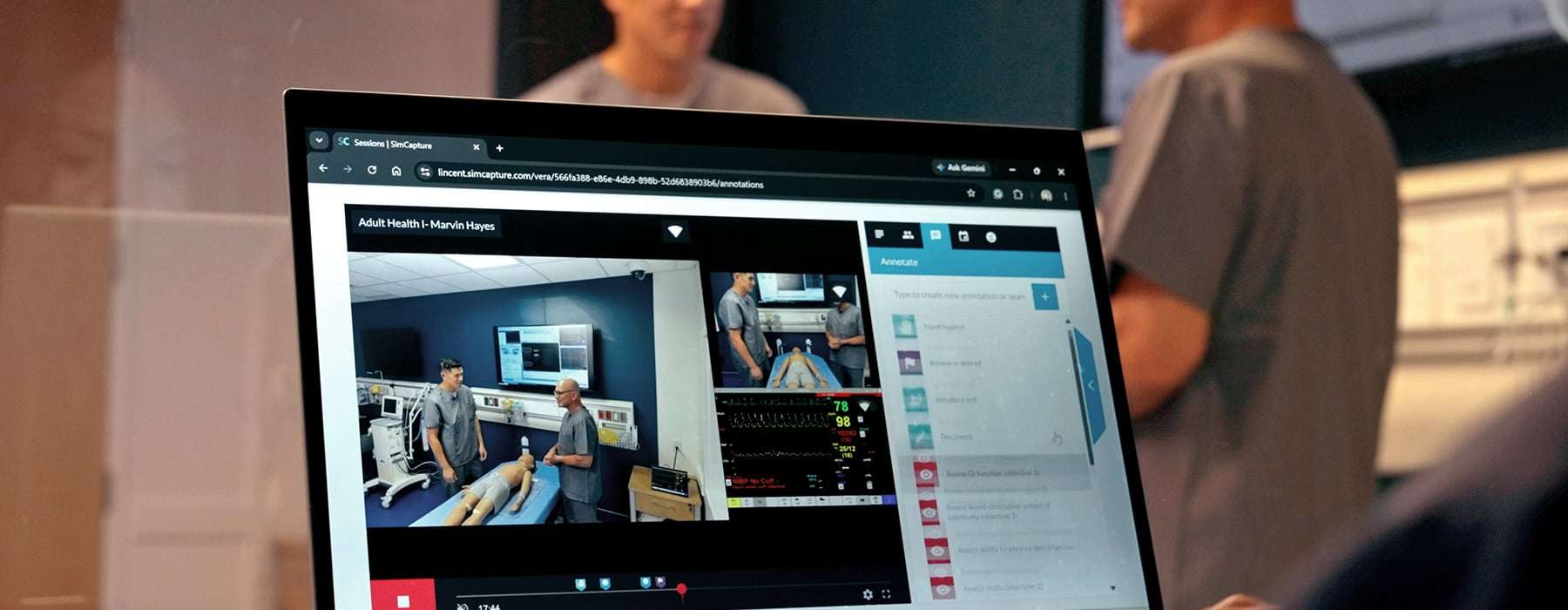
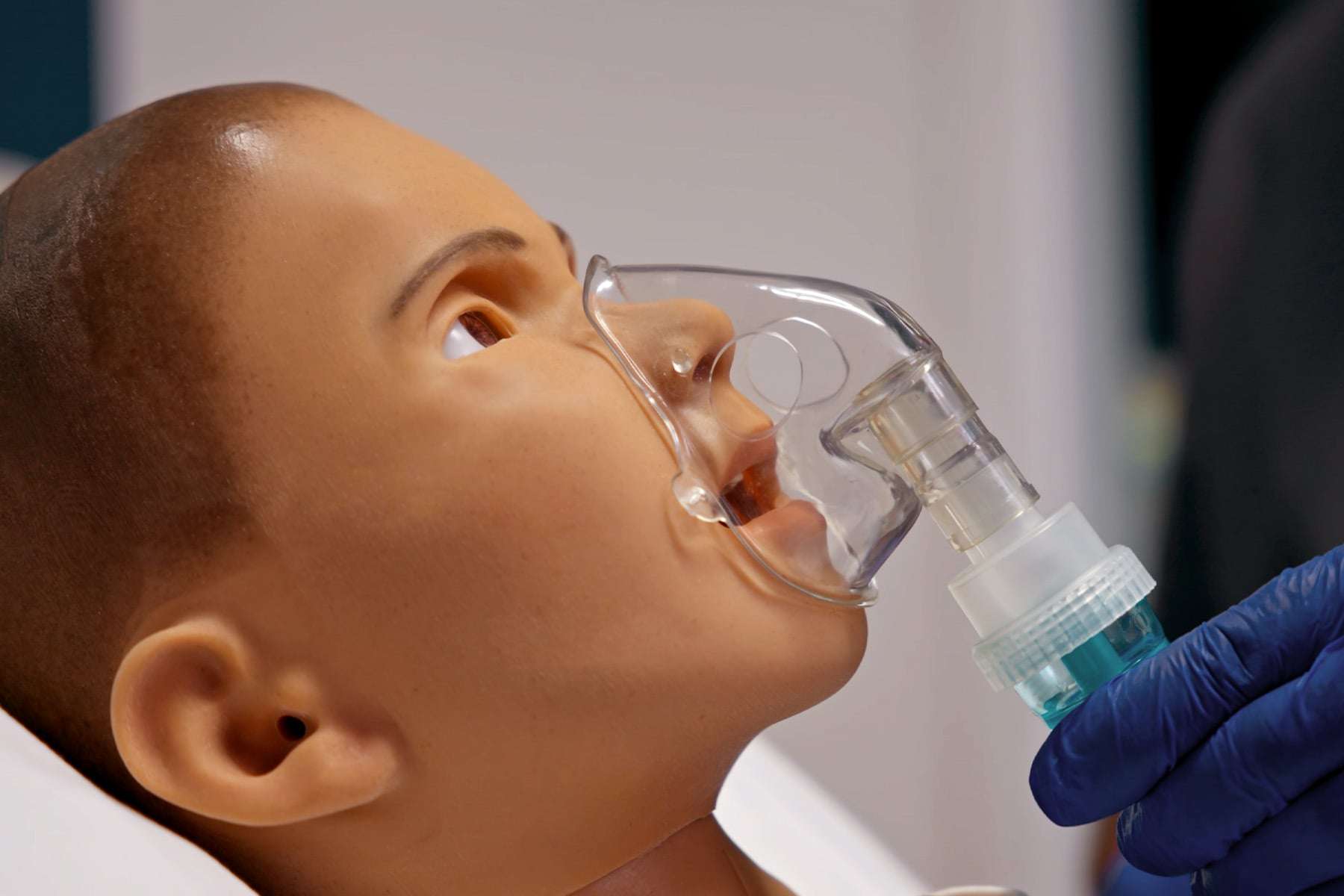
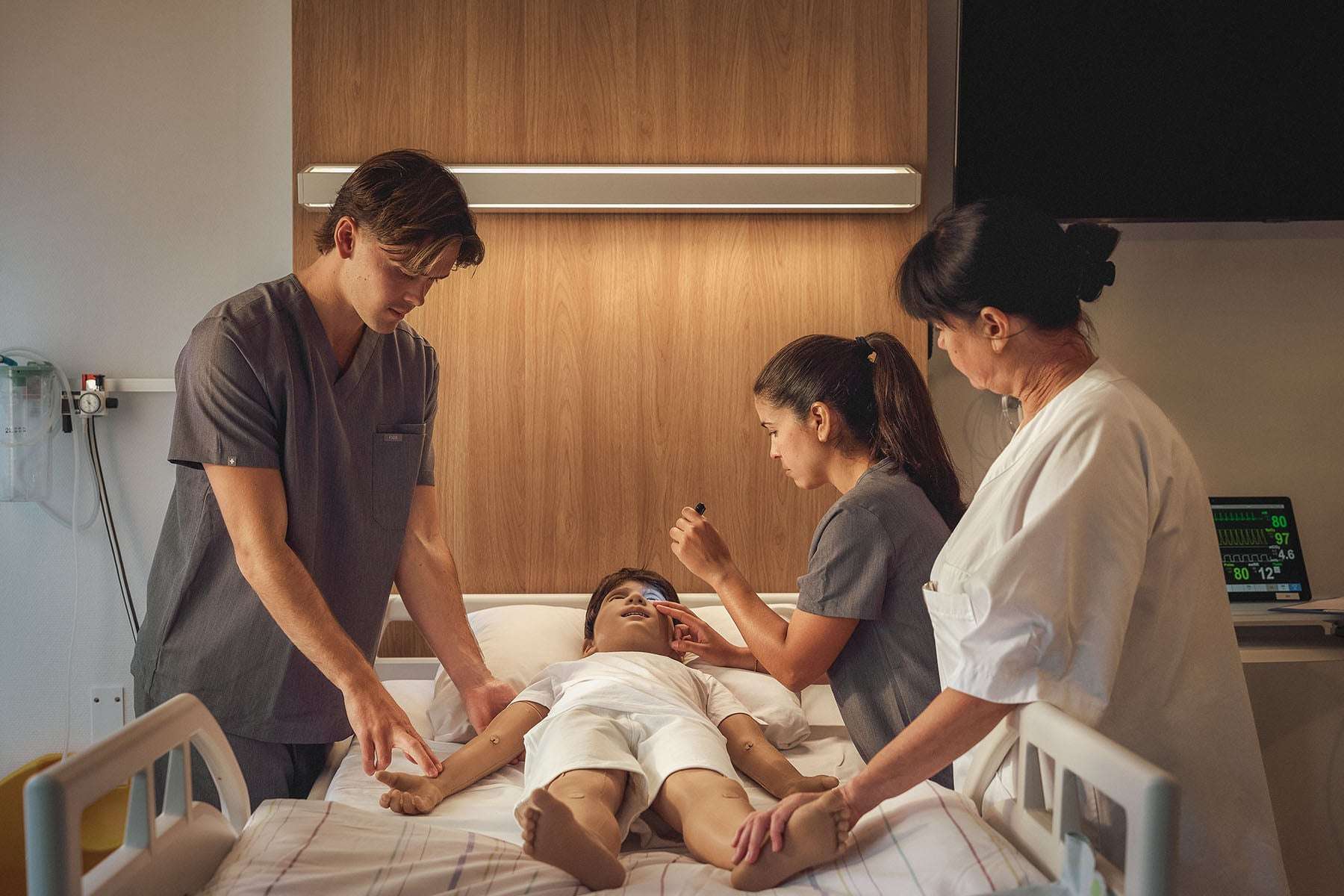
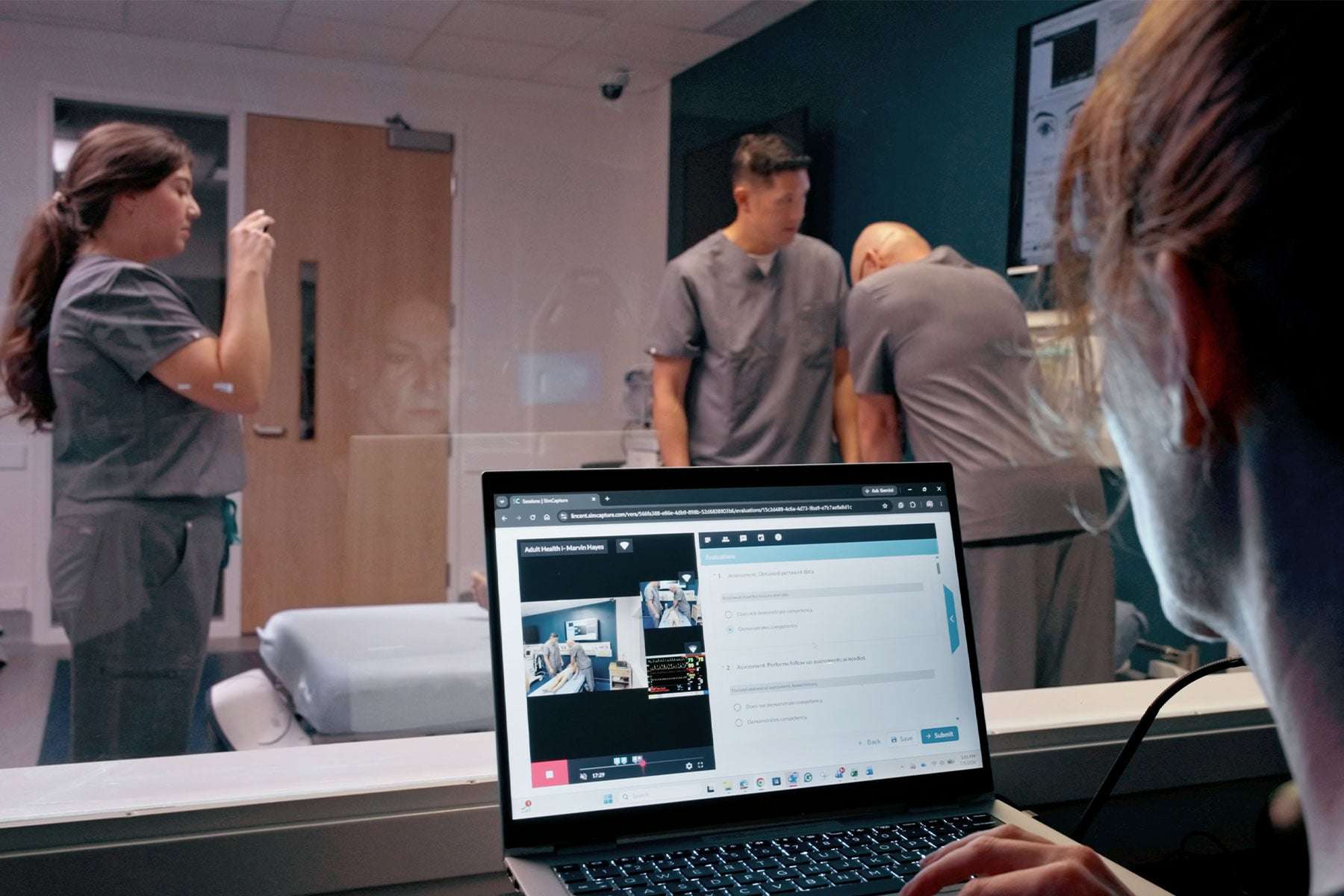
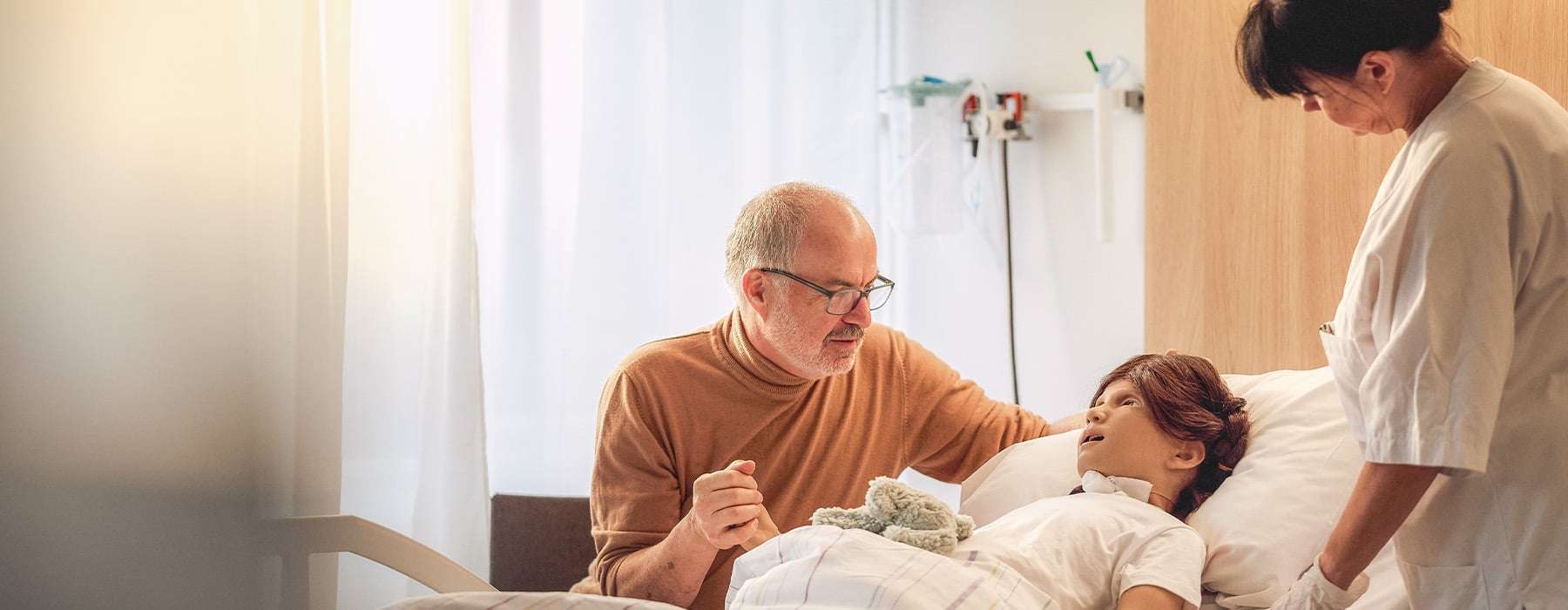
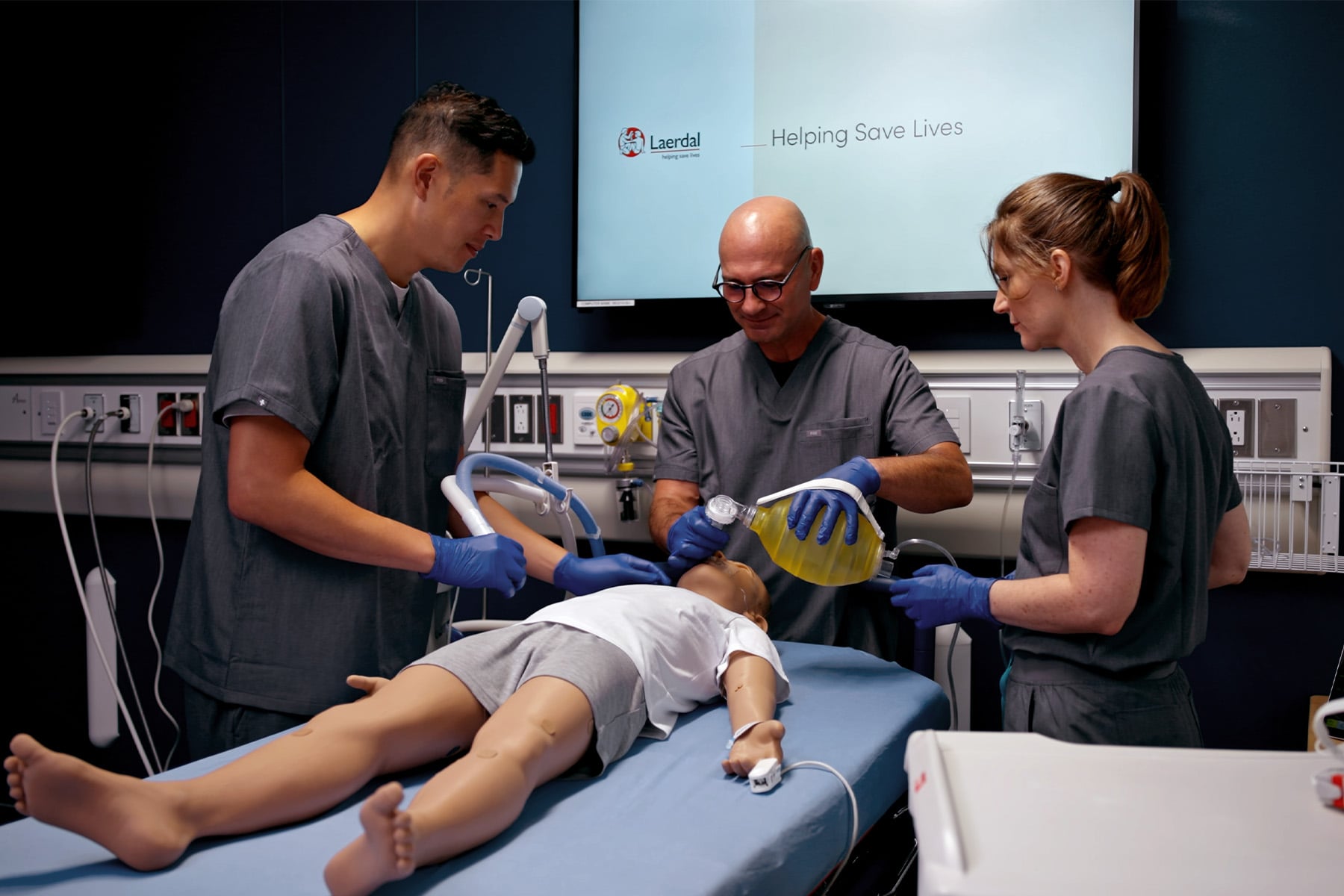
During a simulation scenario, feedback may appear as a change in the simulated patient. Vital signs may improve, respiratory effort may worsen, or clinical findings may shift after an intervention. After the scenario, structured debriefing helps participants examine what they noticed, why they acted, how the team worked, and what they would change.
The 2025 Healthcare Simulation Standards of Best Practice state that simulation-based experiences should include an intentional, structured debriefing process. The standard describes debriefing as a way to identify and address gaps in knowledge, skills, attitudes, and communication, develop insight, improve future performance, and support transfer of learning to practice.4
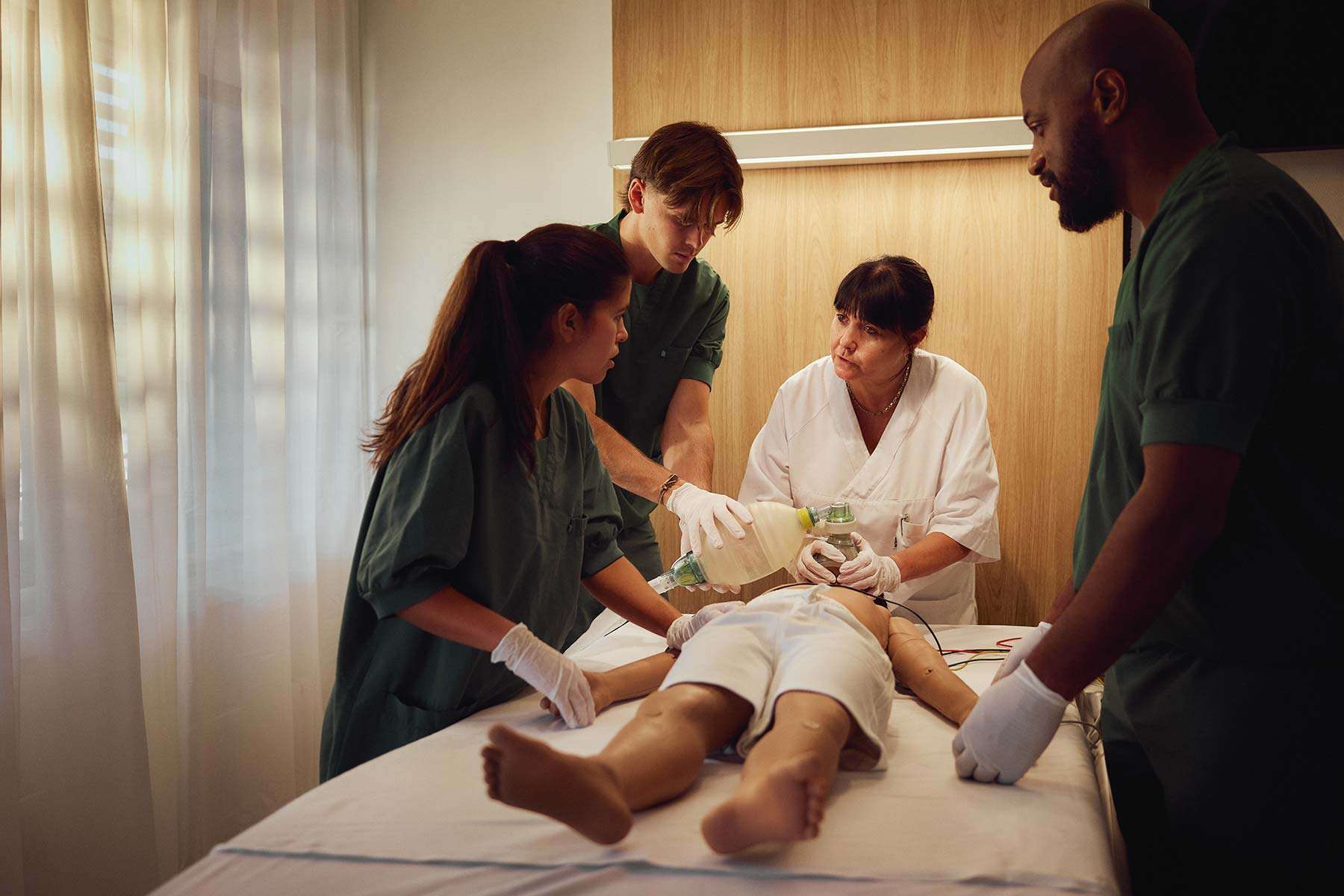
A longitudinal pediatric emergency medicine curriculum that combined debriefing with good judgment, rapid-cycle deliberate practice, and task training reported high perceived educational value and repeated opportunities to practice critical procedures.
The authors concluded that the approach was feasible for addressing training gaps, while noting that further work was needed to quantify the reduction in those gaps.5
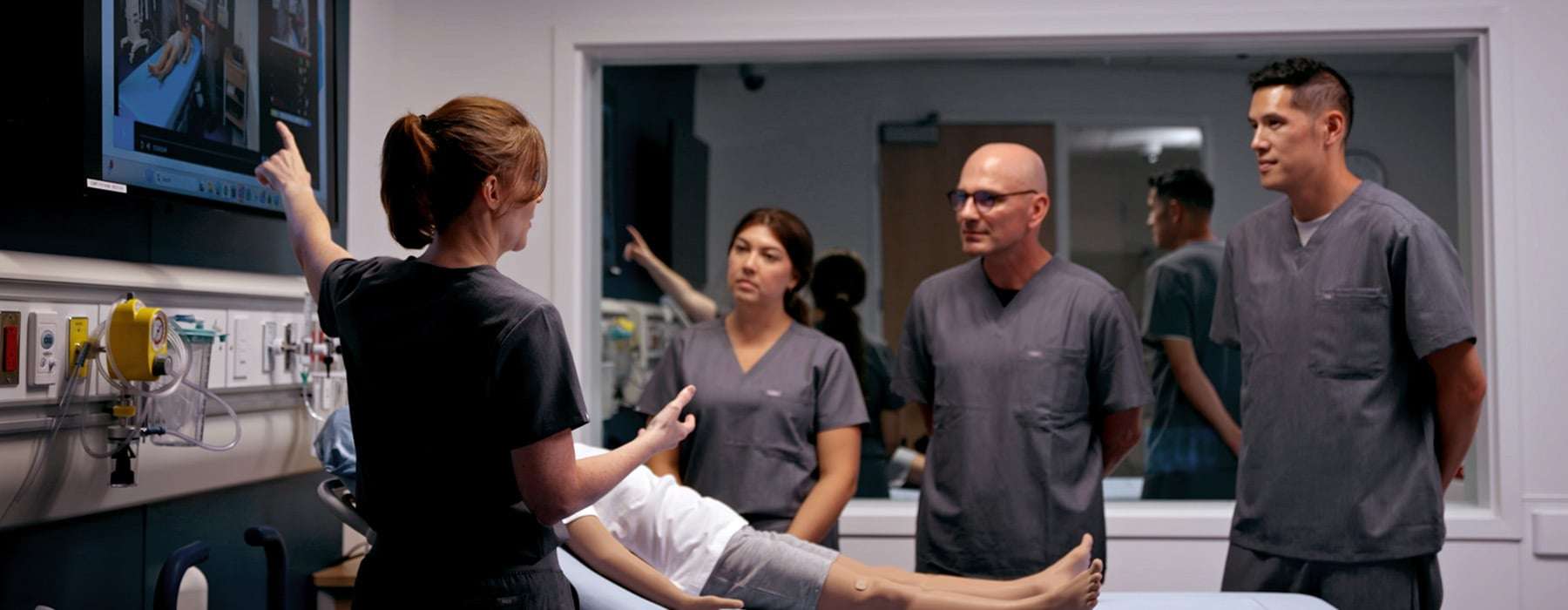
The simulation should not end when the scenario stops. Patient response, observation, performance information, and facilitated reflection work together to help learners understand the consequences of care.
Close the loop
Ask three linked questions: What did you notice? What did you do because of it? What changed next?