How simulation changes the conversation
This is where translational simulation becomes so powerful.
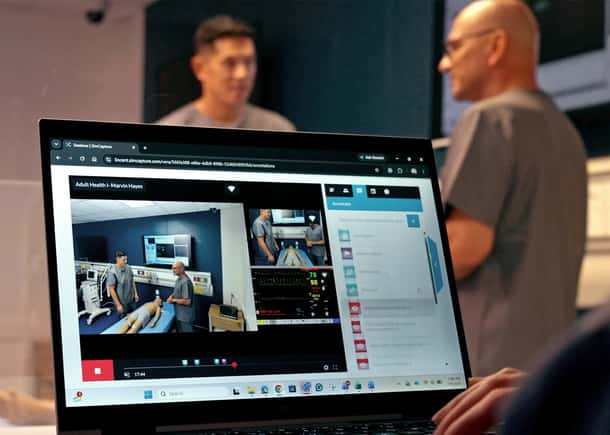
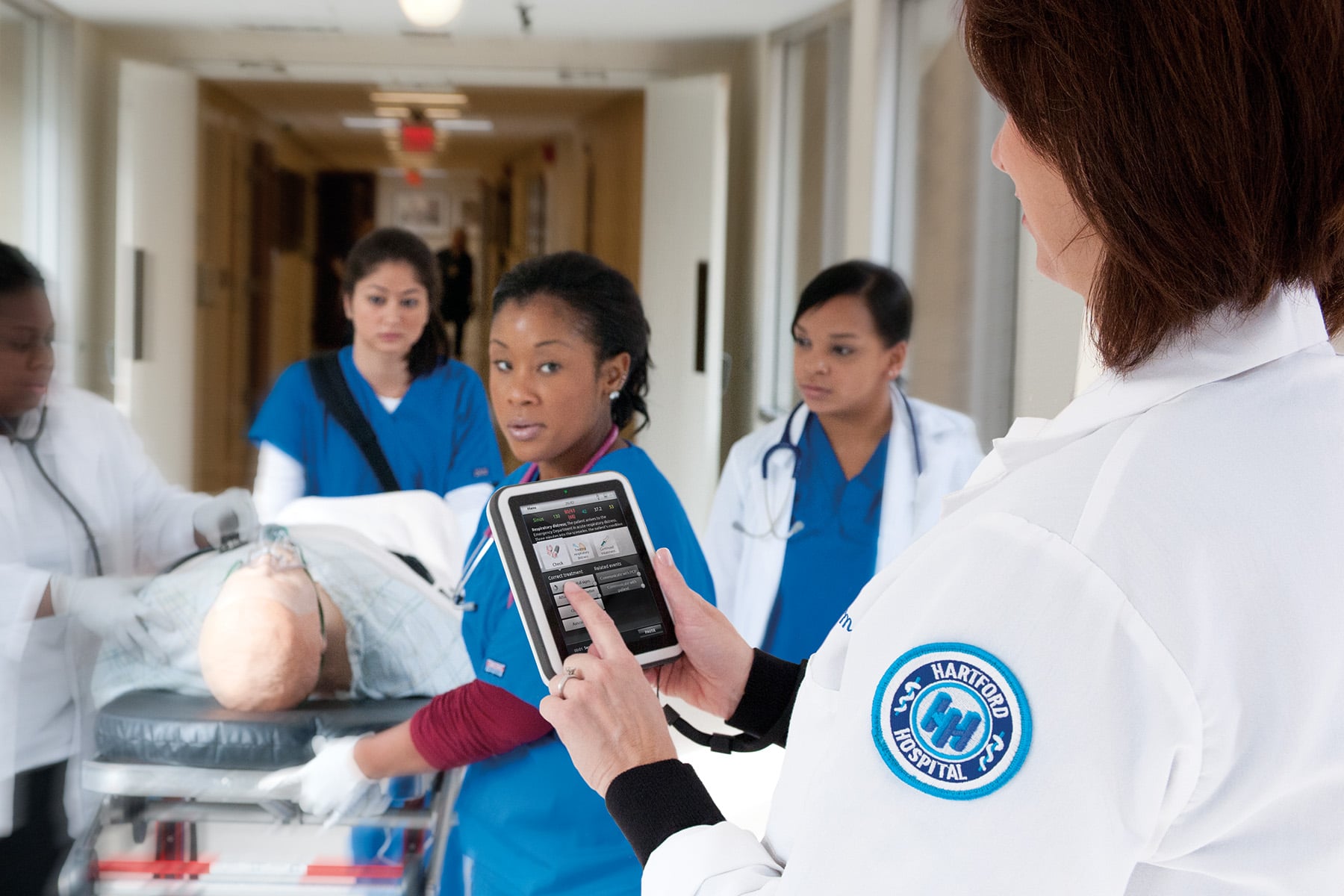
Unlike retrospective audits or chart reviews, simulation allows teams to watch systems in action—not on paper, but in real space, with real teams, under pressure.
"In situ simulation [watching systems in action]... improves provider/team performance, identifies and mitigates threats to patient safety and improves systems and infrastructure."2
Dr. Andrew Petrosoniak MSc (Med Ed), FRCPC,
Emergency Physician and Trauma Team Leader at St. Michael’s Hospital in Toronto, Canada
Example 1: Preparing for postpartum hemorrhage before it happens
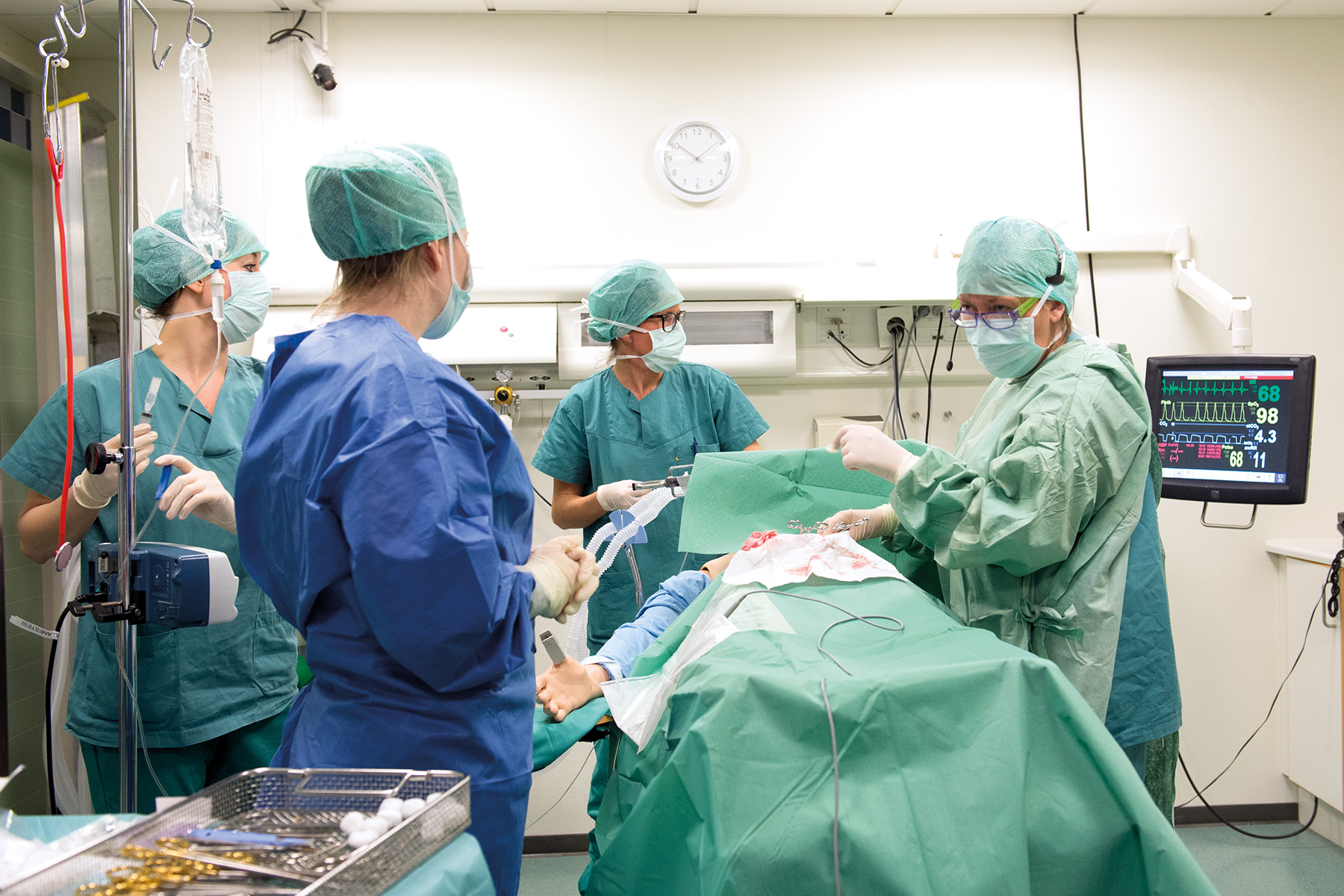
Postpartum hemorrhage remains one of the leading causes of preventable maternal morbidity and mortality worldwide. Because these emergencies are both time-critical and multidisciplinary, many maternity units now use in situ simulation to test not only clinical skills, but also the systems that support rapid response.
The Agency for Healthcare Research and Quality (AHRQ) has developed a postpartum hemorrhage simulation specifically to help labor and delivery teams evaluate how well their own systems perform under realistic conditions. Rather than measuring individual competency alone, the scenario encourages teams to test how quickly they can:
- Mobilize additional clinical support
- Access medications and blood products
- Use existing protocols and cognitive aids
- Communicate using structured handoffs such as SBAR
- Coordinate care across nursing, obstetric, anesthesia, and blood bank teams
These exercises often uncover latent safety threats that are difficult to identify through chart reviews alone, such as delays in obtaining blood products, unclear escalation pathways, equipment access issues, or workflow bottlenecks. Those findings allow organizations to improve processes before a real patient experiences the same obstacles.
Key takeaway: Simulation shifts the question from "Who made the mistake?" to "What in our system made timely care more difficult?"3
Example 2: Using simulation to design a safer trauma bay
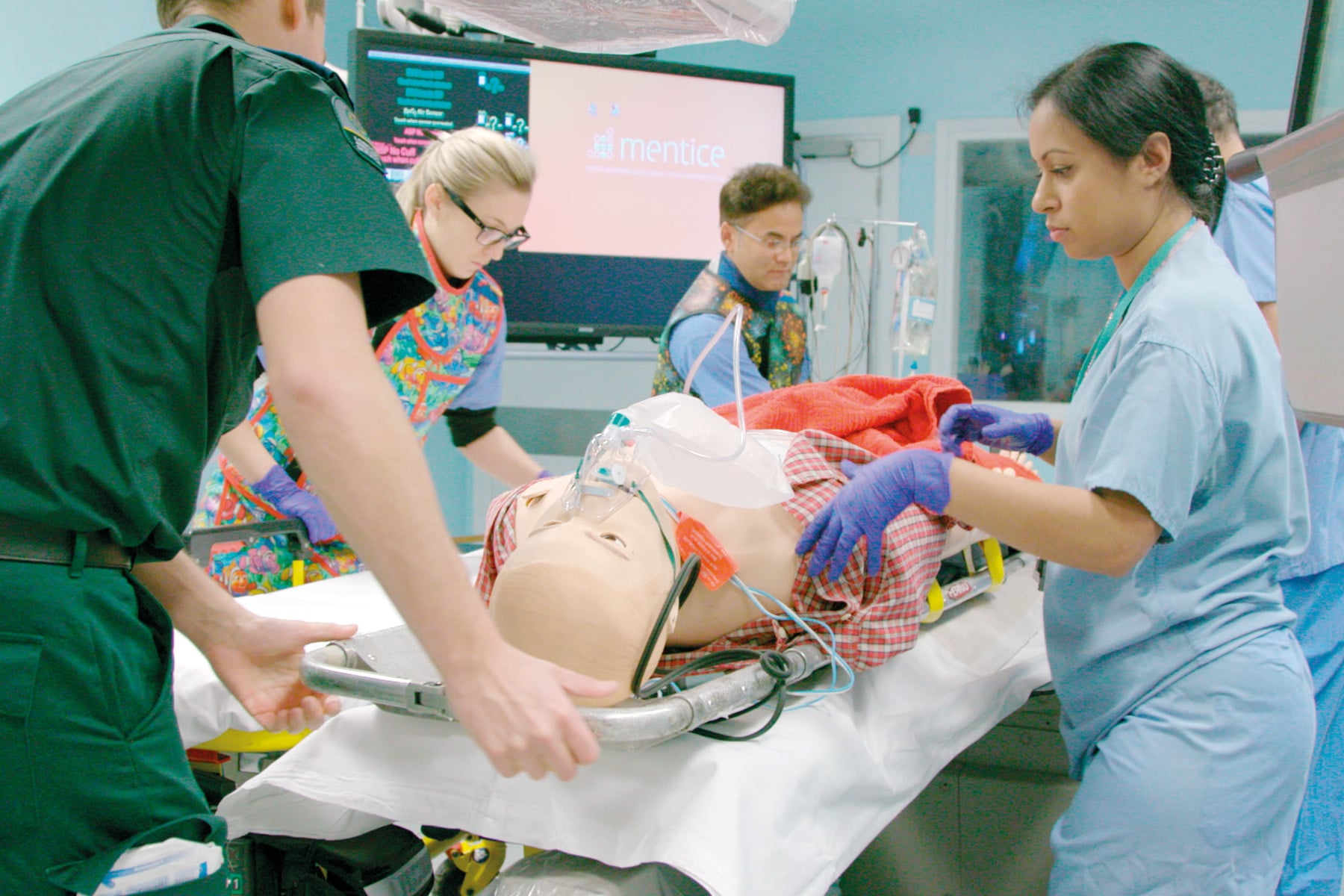
Before opening a newly constructed trauma bay at St. Michael's Hospital in Toronto, clinicians conducted a series of in situ simulations to test how the space would function during real trauma resuscitations. Rather than waiting for patients to reveal design flaws, the team used simulation to evaluate how people, equipment, and workflows interacted in the new environment.
The simulations uncovered numerous latent safety threats that were not apparent on architectural drawings alone, including:
- Patient monitors that became obstructed when doors were opened.
- IV poles and other equipment that interfered with stretcher movement.
- Critical supplies stored too far from the point of care.
- Workflow patterns that created unnecessary congestion around the patient.
None of these issues reflected a lack of clinical knowledge or skill. Instead, they demonstrated how even a thoughtfully designed environment can unintentionally make safe care more difficult.
Because the problems were identified before the unit opened, the design team was able to relocate equipment, improve room layout, and optimize workflows before treating the first patient.
Key takeaway: Simulation revealed risks that traditional design reviews could not, allowing the organization to improve the system before those hazards affected patient care.4