Hoe translationele simulatie de verbetering van de kwaliteit van de gezondheidszorg kan sturen
In dit interview deelt dr. Victoria Brazil hoe simulatie een krachtig instrument kan zijn om gezondheidszorgsystemen te verbeteren.
Meer weten
De briefing heeft al lang erkenning gekregen als essentieel voor continue verbetering binnen organisaties. In de gezondheidszorg is dit de plek waar deelnemers reflecteren op hun handelen, ervaring verbinden met klinische kennis en toekomstige prestaties verbeteren.
In de context van translatiesimulatie breidt het doel van de debrief uit. In plaats van zich voornamelijk te richten op hoe individuen presteerden, probeert deze te begrijpen hoe het zorgsysteem de prestaties beïnvloedde. De discussie verschuift van "Hoe presteerde het team?" naar "Welke inherente elementen in het systeem maakten goede prestaties gemakkelijker—of juist moeilijker?"
Deze subtiele maar krachtige verandering transformeert de debrief van een leergesprek in een mechanisme voor organisatorisch leren, en onthult mogelijkheden om werkprocessen, omgevingen, apparatuur, communicatie en processen te verbeteren die uiteindelijk van invloed zijn op de patiëntenzorg.
Professionals in simulatie beschrijven de nabespreking vaak als de leermotor van simulatie. Ongeacht hoe geavanceerd de simulator of hoe meeslepend de ervaring is, komt de grootste waarde voort uit het gesprek daarna.
In traditionele simulatie draait dat gesprek om het helpen van deelnemers hun klinische kennis, technische vaardigheden, teamwork en besluitvorming te verbeteren. Begeleiders moedigen deelnemers aan om te reflecteren op hun handelen, hun denkproces te verkennen en kansen voor toekomstige verbetering te identificeren.
Translational simulation begint met een andere vraag.
Als het doel van de simulatie is om de zorgverlening te verbeteren—en niet alleen clinici op te leiden—dan moet de nabespreking ook een ander doel nastreven.
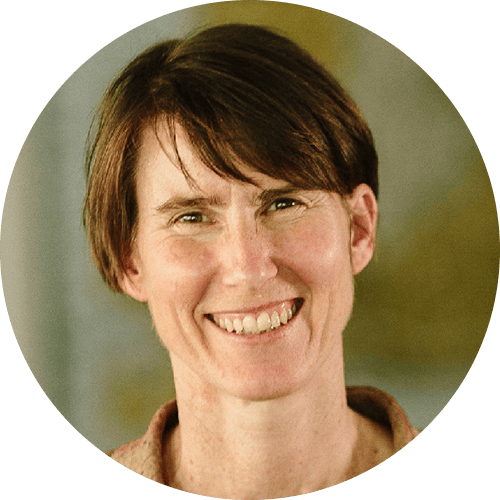
Dr. Victoria Brazil, een vooraanstaande expert in het gebruik van simulatie voor continue verbetering en bedenker van de term translational simulation, legt uit dat translational simulation de focus verlegt van simulatie als een educatief evenement naar simulatie als een manier om te begrijpen hoe zorgsystemen in de praktijk functioneren. In plaats van te vragen of clinici perfect presteerden, proberen begeleiders te begrijpen hoe de omgeving, apparatuur, processen, beleid en organisatorische inrichting de prestaties beïnvloedden.
"We hebben onze oriëntatie veranderd naar een plek waar we onderzochten hoe prestaties in het zorgsysteem werken, en vervolgens hoe we nieuwe en betere ideeën konden testen."1
Dr. Victoria Brazil
Die verandering in oriëntatie verandert het doel van de nabespreking fundamenteel.
De bespreking draait niet langer om het corrigeren van mensen.
Zij draait om het begrijpen van systemen.
Hoewel beide soorten debriefing reflectie stimuleren, verschillen ze aanzienlijk in wat ze proberen te ontdekken.
Kenmerk |
Traditionele simulatiebriefing |
Translationele simulatiebriefing |
| Primaire focus | Ontwikkeling van de lerende | Leren en verbeteren van het systeem |
| Hoofdvraag | Hoe presteerde het team? | Hoe heeft het systeem het team ondersteund — of belemmerd? |
| Deelnemers | Facilitatoren en lerenden | Facilitatoren, zorgprofessionals aan het front, operationele leidinggevenden, teams voor kwaliteitsverbetering en andere belanghebbenden |
| Typische bespreking | Klinische beslissingen, teamwork, communicatie, technische vaardigheden | Werkstroom, omgeving, apparatuur, beleid, communicatiekanalen, organisatorische processen |
| Primair resultaat | Verbeterde individuele prestatie | Geïdentificeerde latente veiligheidsrisico's, operationele verbeteringen, initiatieven voor kwaliteitsverbetering |
| Maatstaf voor succes | Beter voorbereide zorgprofessionals | Beter presterende systemen |
Het onderscheid is subtiel, maar belangrijk.
Traditionele simulatie gaat ervan uit dat het verbeteren van de prestaties van zorgprofessionals de patiëntenzorg zal verbeteren.
Translationele simulatie erkent dat uitstekende zorgprofessionals nog steeds kunnen vastlopen wanneer systemen slecht zijn ontworpen.
Daardoor veranderen ook de vragen van de facilitator.
In plaats van te vragen:
kan men vragen:
In plaats van te vragen:
kan men vragen:
De nadruk verschuift van het beoordelen van menselijk functioneren naar het begrijpen van de omstandigheden waarin mensen werken.
Dit weerspiegelt een belangrijk principe dat binnen de moderne wetenschappelijke benadering van patiëntveiligheid breed wordt gedeeld: ongewenste voorvallen zijn vaak het gevolg van het ontwerp van het systeem, en niet van individuele tekortkomingen.
Misschien is het belangrijkste verschil tussen traditionele en translationele simulatie dat de debrief niet langer uitsluitend wordt gezien als een educatief gesprek.
Het wordt een onderzoekend gesprek.
In plaats van te zoeken naar fouten, zoeken facilitators naar inzicht.
Dr. Andrew Petrosoniak, een andere leider op het gebied van translationele simulatie, heeft translationele simulatie beschreven als het creëren van directe verbindingen tussen bevindingen uit simulatie en verbeteringen in patiëntenzorg en prioriteiten van het zorgsysteem. In de praktijk betekent dat dat de observaties die tijdens de debrief worden gegenereerd, data worden die operationele beslissingen, kwaliteitsverbeteringsinitiatieven, inrichting van faciliteiten, beleidsherzieningen en toekomstig testen kunnen informeren.
"Het blijft me verbazen hoe veel besluiten met hoge inzet, die bepalen hoe clinici zorg verlenen, ver van de klinische omgeving worden genomen. Beleid, procedures en systemen worden vaak opgesteld en “goedgekeurd” in bestuurskamers, ver verwijderd van de realiteit van de klinische praktijk…. Wat als we het script omdraaien? Bouw samen met clinici, niet alleen voor hen, test ideeën waar het werk daadwerkelijk gebeurt, en verfijn voordat de inzet het hoogst is."2
Dr. Andrew Petrosoniak

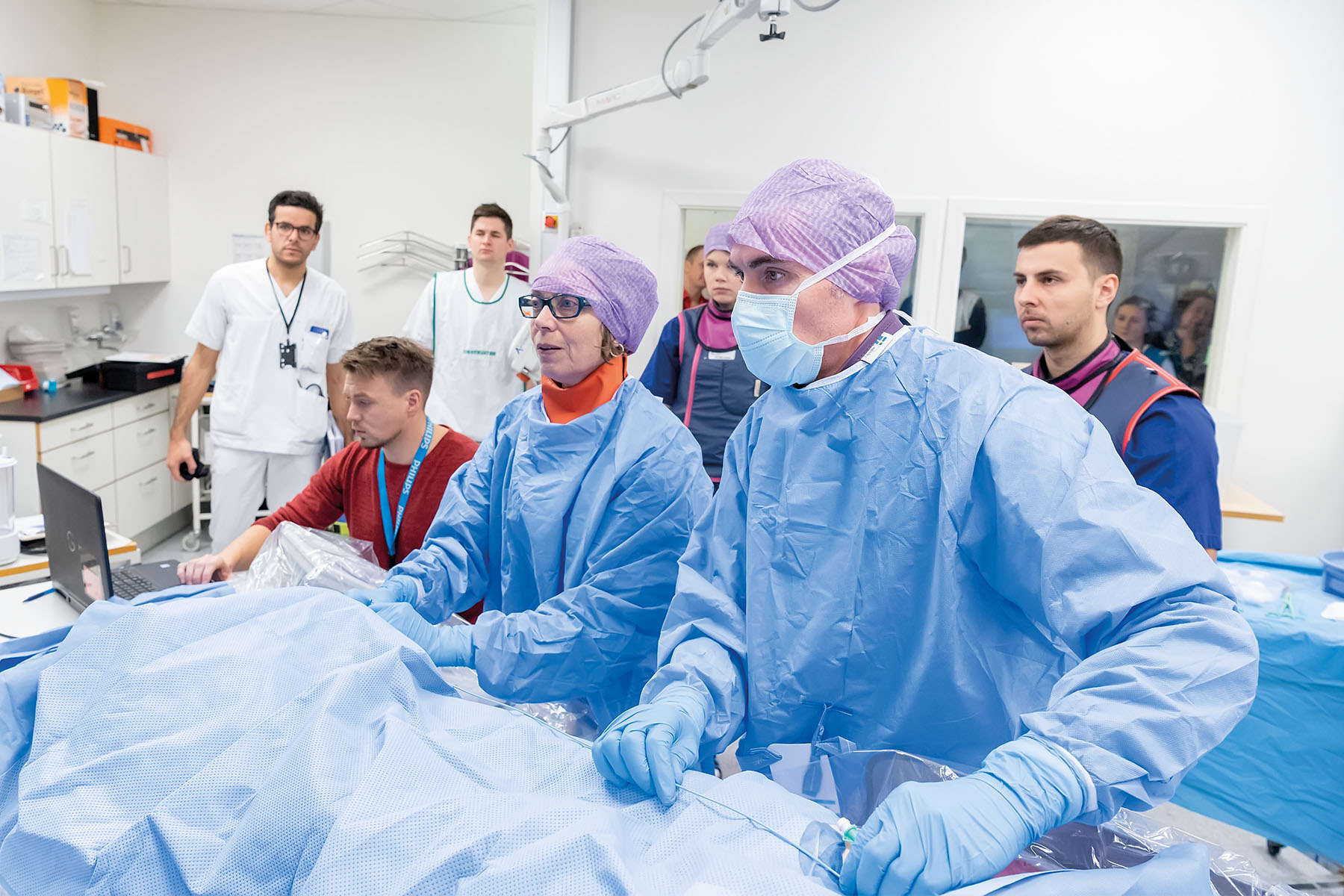
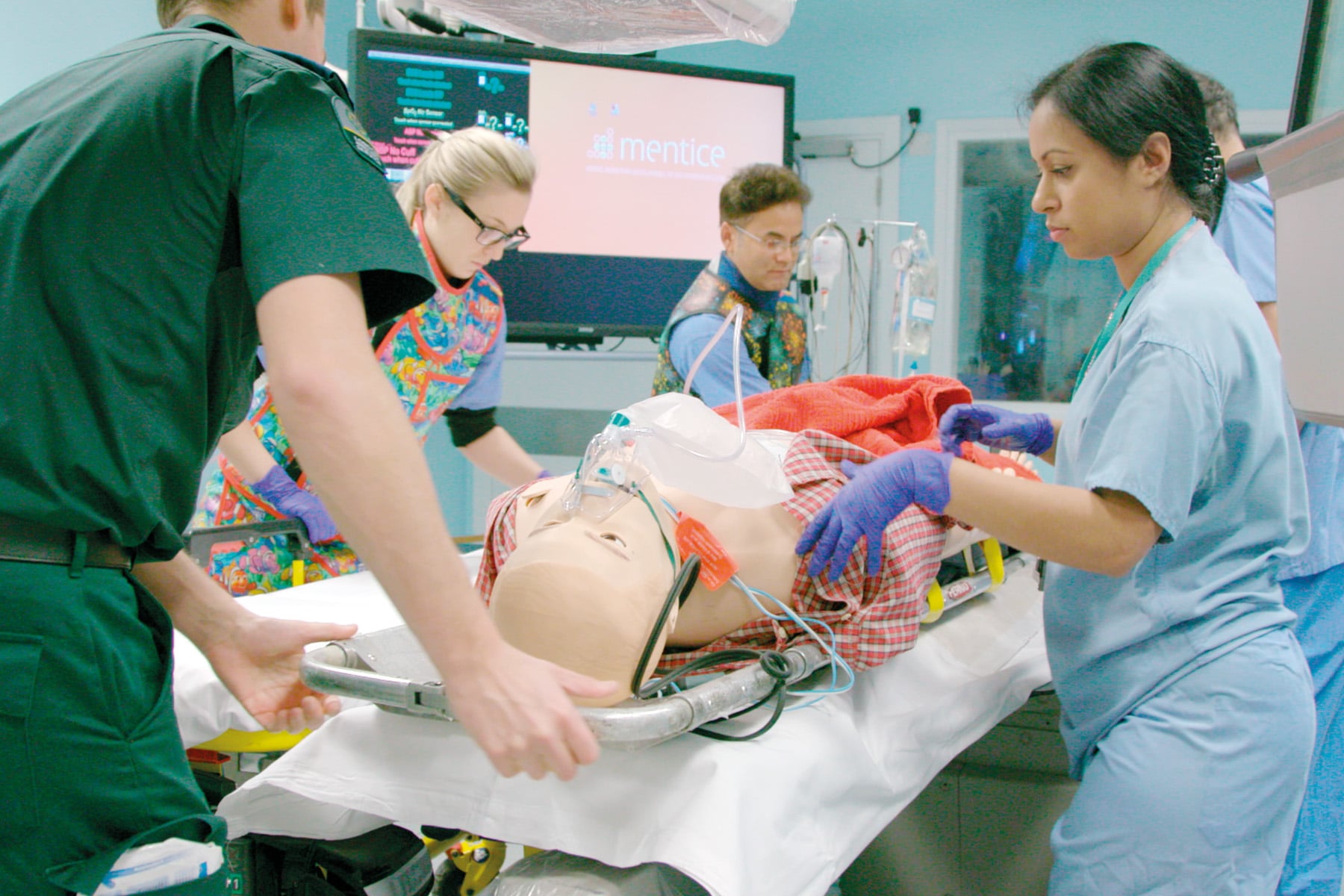
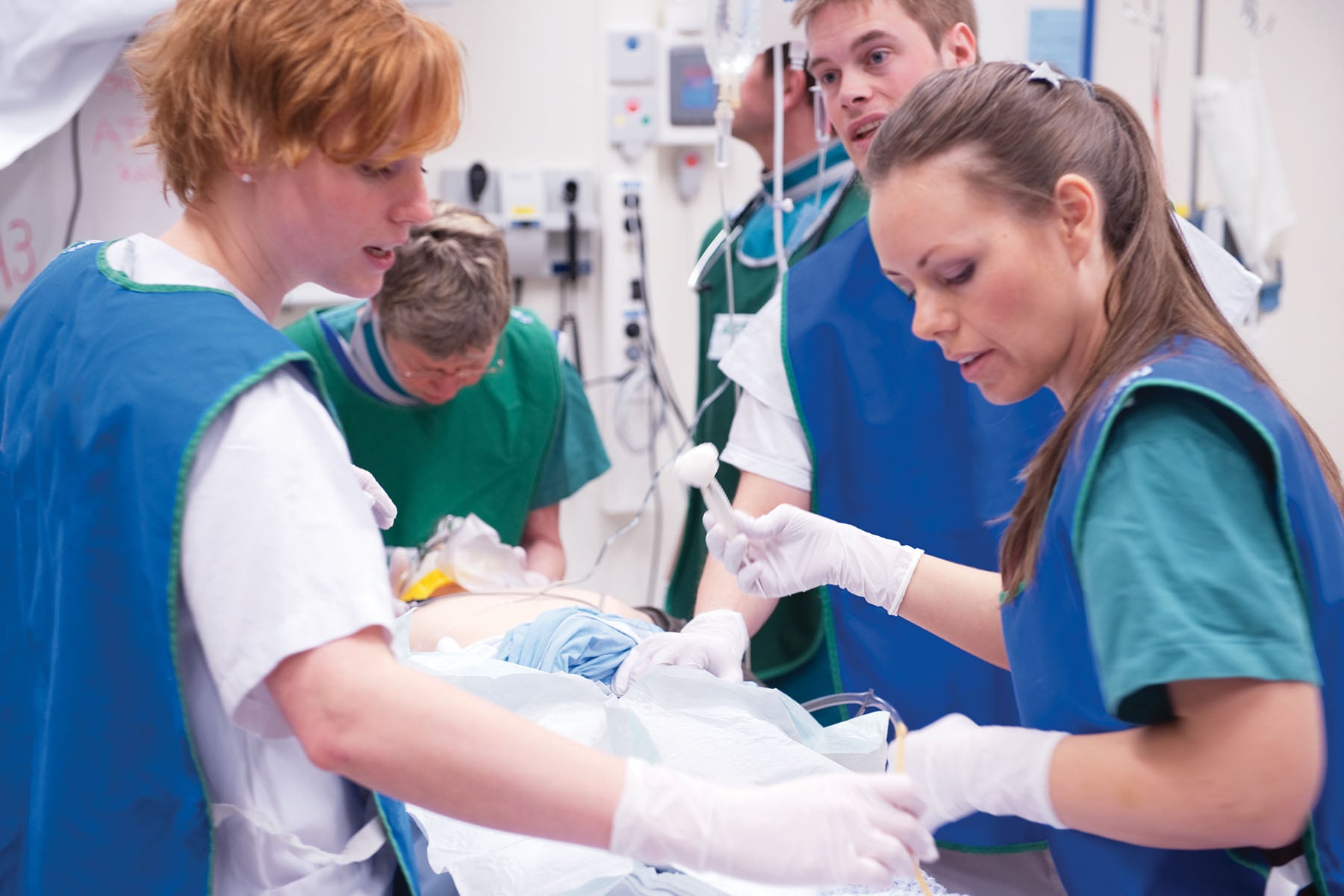
Deze aanpak is bijzonder waardevol tijdens in situ-simulatie, waarbij clinici werken binnen hun daadwerkelijke klinische omgeving, met de apparatuur, werkprocessen en middelen waarop zij elke dag vertrouwen.
Deze simulaties brengen vaak latente veiligheidsrisico's aan het licht—verborgen problemen die onopgemerkt kunnen blijven totdat ze bijdragen aan schade voor de patiënt.
Voorbeelden zijn onder meer:
Deze bevindingen komen zelden naar voren omdat iemand een fout maakte.
In plaats daarvan komen ze naar voren omdat simulatie een veilige gelegenheid biedt om te observeren hoe het werk daadwerkelijk wordt uitgevoerd.
"Simulatie kan een testomgeving worden. Het kan een plek worden waar de mensen die het werk daadwerkelijk doen, het kunnen verkennen en ideeën kunnen aandragen over hoe het beter kan worden gemaakt."3
Dr. Victoria Brazil
Die observatie vat een van de bepalende kenmerken van translationele simulatie samen.
De debrief is niet simpelweg een gesprek over wat er is gebeurd.
Het is een gestructureerde gelegenheid voor de mensen die het dichtst bij het werk staan om uit te leggen waarom het is gebeurd—en, nog belangrijker, hoe het systeem zelf kan evolueren om veilige, effectieve zorg beter te ondersteunen.
Hoewel er uitgebreid onderzoek is gedaan naar de kunst en wetenschap van debriefing, volgen hier vijf basisprincipes die u kunt gebruiken om uw debriefing om te zetten in winst op systeemniveau.
Betekenisvol leren over systemen is afhankelijk van een eerlijk gesprek. Deelnemers zullen waarschijnlijk geen workflowproblemen identificeren, lang bestaande werkwijzen ter discussie stellen of kwetsbaarheden toegeven als zij denken dat de debriefing hun bekwaamheid beoordeelt.
Daarom is psychologische veiligheid de basis voor effectieve translational simulation.
Jenny Rudolphs werk over Debriefing with Good Judgment herinnert facilitators eraan dat effectieve debriefing noch veroordelend noch toegeeflijk is. In plaats daarvan is deze gebaseerd op nieuwsgierigheid en wederzijds respect. Facilitators benaderen deelnemers met de aanname dat hun handelen logisch was gezien wat zij wisten, wat zij waarnamen en de omstandigheden waarin zij werkten.
In plaats van te vragen,
"Waarom deed u dat?"
kan de facilitator vragen,
"Kunt u ons meenemen in wat u op dat moment zag en dacht?"
Het doel is niet om beslissingen te verdedigen.
Het is om te begrijpen hoe het systeem die beslissingen heeft gevormd.
Deze aanpak moedigt deelnemers aan om niet alleen hun handelingen te bespreken, maar ook de organisatorische, omgevings- en operationele factoren die daarop van invloed waren.
Een bruikbare openingszin kan zijn:
"Vandaag beoordelen we geen mensen. We beoordelen hoe goed het systeem mensen ondersteunt bij het leveren van uitstekend werk."
Die eenvoudige verschuiving bepaalt de toon voor het hele gesprek.
Traditionele educatieve simulaties betrekken vaak alleen degenen die aan het scenario deelnamen.
Translational simulation erkent dat veel verbeterkansen buiten de invloedssfeer van het klinische team liggen.
Afhankelijk van de doelstellingen kunnen deelnemers aan de debriefing onder meer zijn:
Elke belanghebbende bekijkt hetzelfde evenement door een andere lens.
Zorgprofessionals herkennen vaak workflowuitdagingen.
Managers begrijpen operationele beperkingen.
Ingenieurs identificeren apparatuurproblemen.
Kwaliteitsteams koppelen observaties aan bredere organisatorische initiatieven.
Door deze perspectieven samen te brengen, verandert de debriefing van een gesprek in gezamenlijke probleemoplossing.
In de woorden van Dr. Brazil: "Simulation kan een plek worden waar de mensen die het werk daadwerkelijk doen, het kunnen verkennen en ideeën kunnen aandragen om het beter te maken."
Traditionele debriefings verkennen vaak klinische redenering en teamgedrag.
Translational debriefings proberen te begrijpen welke omstandigheden veilige zorg mogelijk maakten of juist belemmerden.
Nuttige vragen zijn onder meer:
Deze vragen gaan verder dan vaststellen wat er is gebeurd.
Ze beginnen uit te leggen waarom het is gebeurd.
Een bruikbaar kader is het model Systems Engineering Initiative for Patient Safety (SEIPS), dat de interacties onderzoekt tussen mensen, taken, hulpmiddelen en technologieën, de fysieke omgeving en organisatorische omstandigheden.
In plaats van te zoeken naar één enkele oorzaak, moedigt SEIPS facilitators aan te begrijpen hoe deze elementen op elkaar inwerken en de klinische prestaties beïnvloeden.
Een van de kenmerkende eigenschappen van translational simulation is dat de bevindingen niet binnen het simulatiercentrum blijven.
In plaats daarvan worden het organisatorische data.
Het werk van Andrew Petrosoniak heeft laten zien hoe gestructureerde in situ-simulatie latente veiligheidsrisico's kan identificeren die operationele verbeteringen informeren lang voordat patiënten worden getroffen.
Organisaties kunnen bevindingen documenteren via:
Wanneer deze observaties gezamenlijk over meerdere simulaties worden bekeken, komen terugkerende patronen aan het licht die bij geïsoleerde gebeurtenissen mogelijk niet zichtbaar zijn.
De debriefing wordt daardoor meer dan een reflectieoefening.
Het wordt een belangrijke bron van organisatorische intelligentie.
Misschien wel de grootste bedreiging voor succesvolle translational simulation is niets doen met wat is geleerd.
Niets ondermijnt betrokkenheid sneller dan zorgprofessionals om hun inzichten te vragen, om die inzichten vervolgens te laten verdwijnen in vergadernotities.
Organisaties met hoge prestaties creëren een duidelijke route van simulatieresultaten naar operationele actie.
Voordat de debriefing wordt afgesloten, moeten facilitators vragen:
De cirkel sluiten laat zien dat simulatie niet alleen problemen identificeert.
Het helpt ze op te lossen.
Wanneer deelnemers zien dat apparatuur wordt verplaatst, werkprocessen worden herontworpen, documentatie wordt vereenvoudigd of communicatieprocessen worden verbeterd als gevolg van simulatieresultaten, gaan zij simulatie zien als een betekenisvolle bijdrage aan patiëntveiligheid in plaats van slechts als een andere onderwijsactiviteit.
En nu u de bovenstaande vijf basisprincipes onder de knie hebt, kunt u deze checklist gebruiken voor nog meer verbeteringen.
Stap |
Beschrijving |
| 1. Zet de toon | Creëer psychologische veiligheid door te benadrukken dat het doel is om het systeem te begrijpen—niet om individuen te beoordelen. |
| 2. Verken het systeem | Stel vragen die inzicht geven in omgevings-, operationele en organisatorische invloeden op de prestatie. |
| 3. Betrek de juiste belanghebbenden | Nodig personen uit die verbeteringen zowel kunnen signaleren als implementeren. |
| 4. Orden de bevindingen | Gebruik kaders zoals SEIPS om observaties te categoriseren en terugkerende thema's te identificeren. |
| 5. Leg verbeterkansen vast | Documenteer latente veiligheidsbedreigingen, problemen in de werkstroom en aanbevelingen als gestructureerde gegevens voor kwaliteitsverbetering. |
| 6. Wijs eigenaarschap toe | Bepaal wie elke aanbevolen verbetering zal evalueren, prioriteren en implementeren. |
| 7. Sluit de cirkel | Beoordeel de veranderingen opnieuw via toekomstige simulatie, initiatieven voor kwaliteitsverbetering of operationele evaluatie om vast te stellen of de zorg is verbeterd. |
De grootste waarde van translationele simulatie ligt niet in het ontdekken van wat clinici verkeerd deden.
Het ligt in het ontdekken wat het systeem beter kan doen.
Daarom is de debrief zo belangrijk.
Traditionele simulatie helpt clinici te reflecteren op hun prestaties.
Translationele simulatie helpt organisaties te reflecteren op hun systemen.
Zoals dr. Victoria Brazil heeft gezegd, gaat translationele simulatie over het verkennen van hoe prestaties daadwerkelijk werken binnen zorgsystemen en die kennis gebruiken om betere ideeën te testen.
Wanneer organisaties die denkwijze omarmen, wordt de debrief meer dan de afsluiting van een simulatieoefening.
Het wordt het begin van betekenisvolle systeemverbetering.