If you’re an EMS educator, you may often struggle with this question: how do you know when your learners are truly ready for practice?
You know that passing written exams and completing required clinical hours are important milestones, but they don’t always provide you with a complete picture of competence.
One learner may encounter several complex patients during clinical rotations, while another may have fewer opportunities to demonstrate clinical judgment, communication, teamwork, and decision-making under pressure.
This challenge has prompted many EMS educators to look beyond training hours and test scores when evaluating learner readiness.
“Competence isn’t something that can be downloaded or checked off,” explains Conor Devery, EMS Instructor and former Fire Rescue Lieutenant in Florida, USA. “It grows through guided practice, honest feedback, and repeated exposure to complexity.”
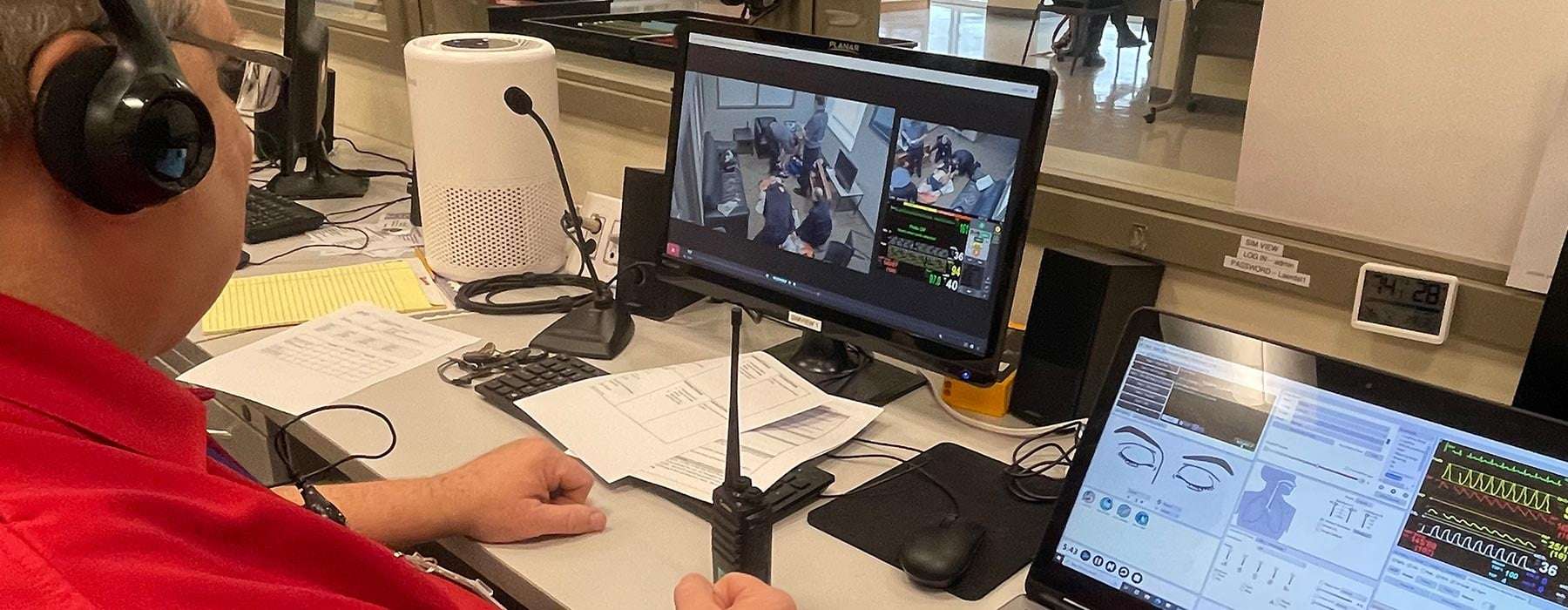
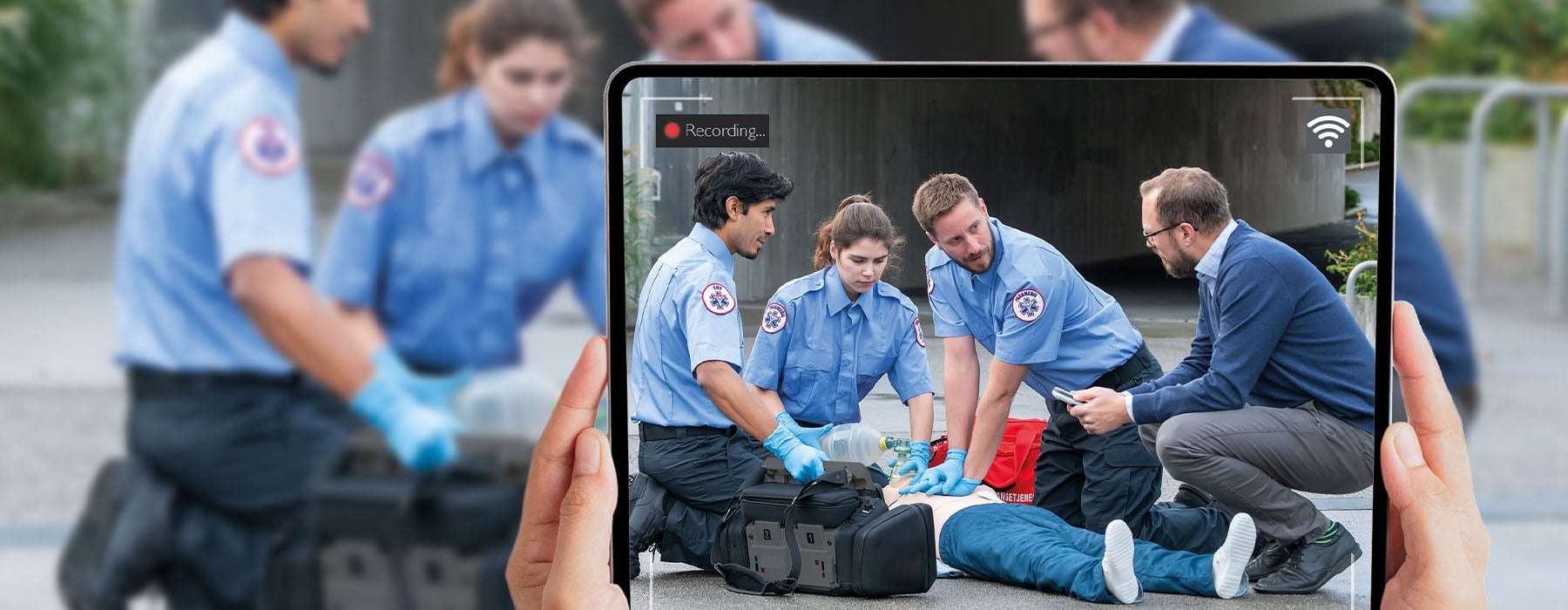
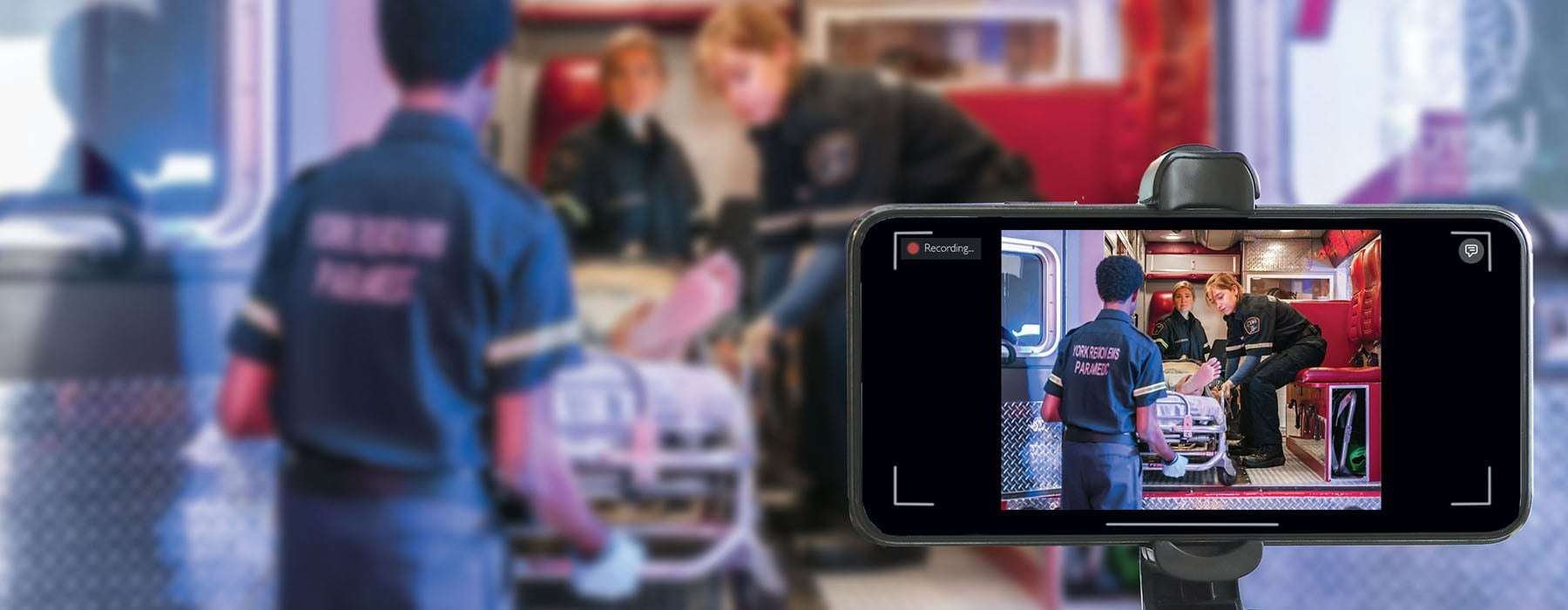
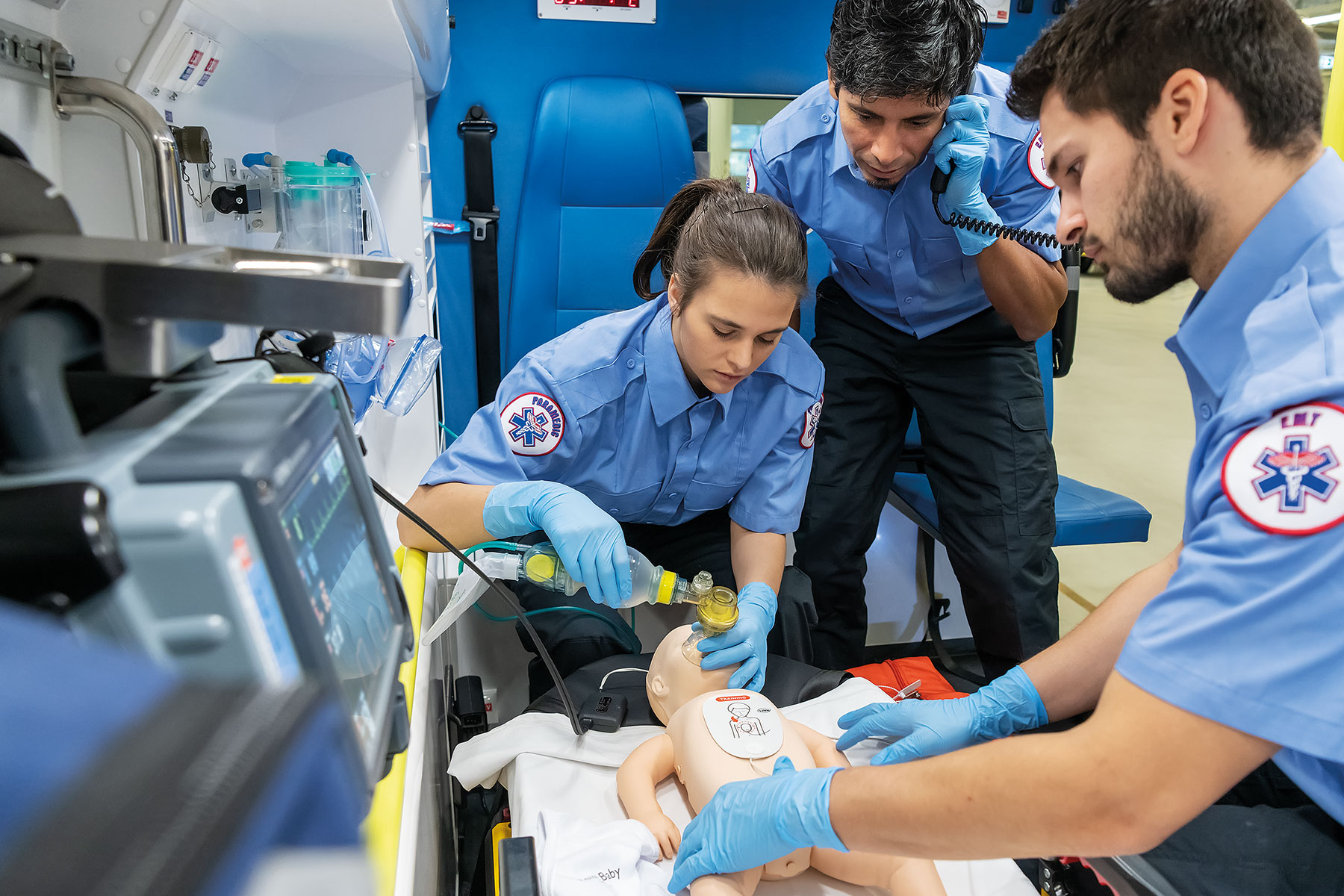
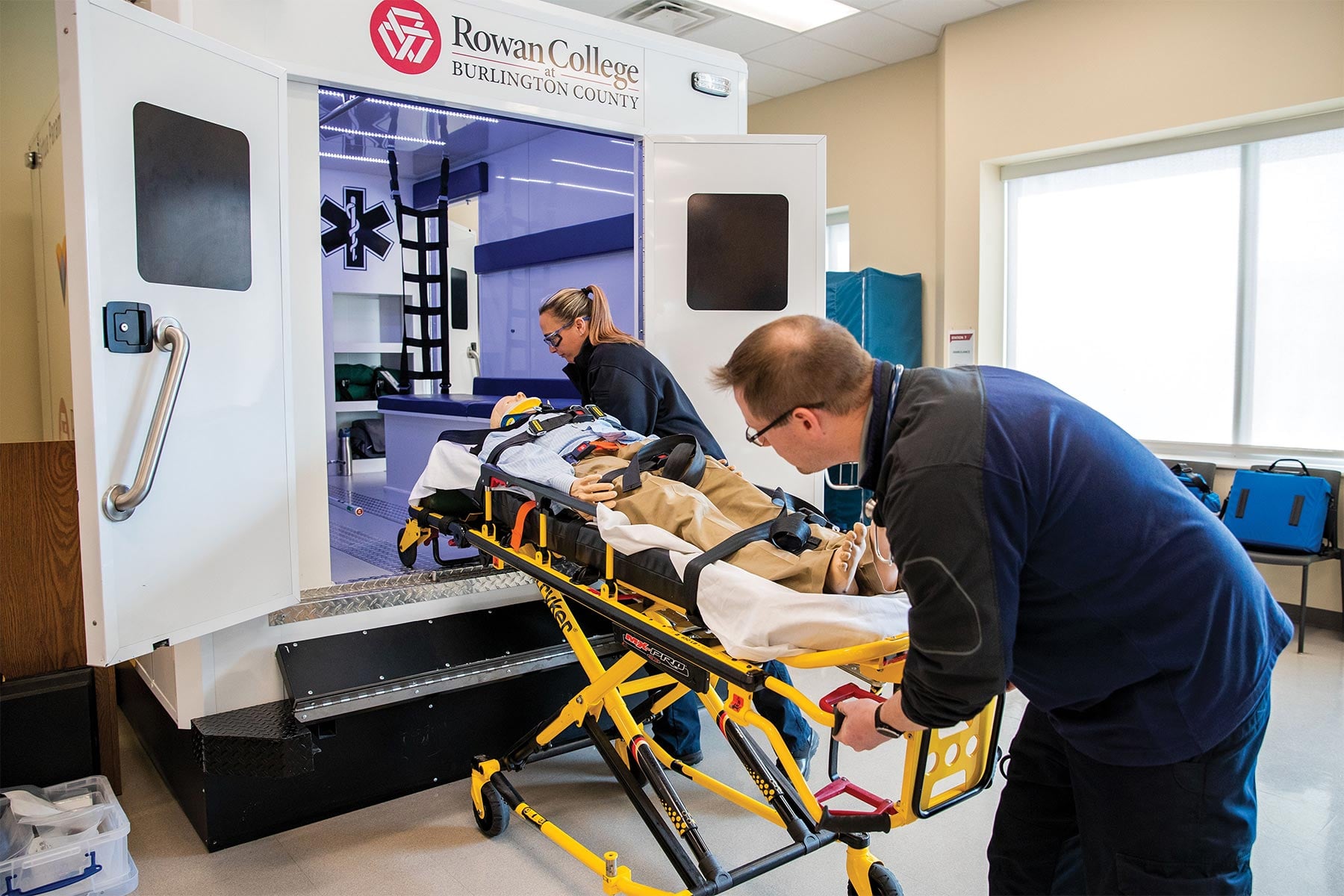
Simulation helps create those opportunities by giving learners a safe environment to practice, receive feedback, and demonstrate competence.
Educators can use simulation to assess competencies such as:
- Clinical reasoning
- Teamwork and communication
- Decision-making under pressure
- Situational awareness
- Technical skills
Research also supports this approach:
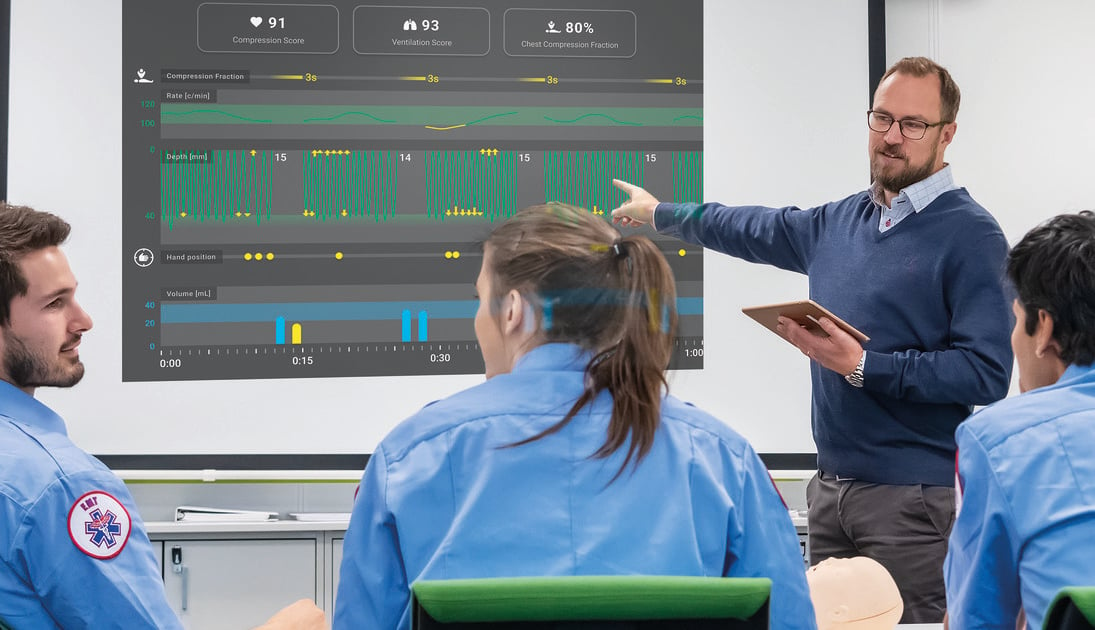
A 2026 study found that repeated simulations paired with structured assessment significantly improved competence and exam performance among paramedicine students.
So how can EMS educators use simulation to build competence and better assess learner readiness?