Gå til innhold

3 Ways to Ensure EMS Learner Competence Through Simulation


Move beyond completion to confidence in learner readiness.

If you’re an EMS educator, you may often struggle with this question: how do you know when your learners are truly ready for practice?

You know that passing written exams and completing required clinical hours are important milestones, but they don’t always provide you with a complete picture of competence.

One learner may encounter several complex patients during clinical rotations, while another may have fewer opportunities to demonstrate clinical judgment, communication, teamwork, and decision-making under pressure. 

This challenge has prompted many EMS educators to look beyond training hours and test scores when evaluating learner readiness.

“Competence isn’t something that can be downloaded or checked off,” explains Conor Devery, EMS Instructor and former Fire Rescue Lieutenant in Florida, USA. “It grows through guided practice, honest feedback, and repeated exposure to complexity.”  

Simulation helps create those opportunities by giving learners a safe environment to practice, receive feedback, and demonstrate competence.


Educators can use simulation to assess competencies such as

  • Clinical reasoning 
  • Teamwork and communication
  • Decision-making under pressure
  • Situational awareness 
  • Technical skills


Research also supports this approach: 


A 2026 study found that repeated simulations paired with structured assessment significantly improved competence and exam performance among paramedicine students.  


So how can EMS educators use simulation to build competence and better assess learner readiness? 

1. Give every learner the same opportunity to demonstrate competence.  

One of the biggest challenges in EMS education is variability. Some learners may encounter critically ill pediatric patients during clinical rotations. Others may not. Some may participate in high-acuity emergencies, while others spend most of their time observing routine patient encounters. 

Simulation helps level the playing field.

“Simulation gives EMS programs something live calls often cannot provide: repeatability,” explains Jeromy VanderMeulen, EMS Instructor in Florida, USA. “A critical scenario can be built, run, paused, debriefed, corrected, and run again until the student improves.”

Repeatability allows educators to evaluate learners under consistent conditions and intentionally target specific competencies.

Simulation also supports deliberate practice. Deliberate practice allows learners to receive feedback, make adjustments, and improve through repeated attempts.

Whether the goal is recognizing patient deterioration, improving communication, or refining clinical decision-making, simulation provides opportunities for learners to repeatedly demonstrate and strengthen their performance.

“Practice may make perfect, but deliberate practice makes permanent,” says Rommie Duckworth, Fire Chief and Emergency Services Educator in Connecticut, USA.  


Key takeaway: Building your confidence in learner competence requires opportunities to practice and demonstrate performance repeatedly. 

2. Use video-assisted debriefing to help learners see what they missed.

Clinical experiences can provide powerful learning opportunities, but they rarely allow educators and learners to pause and fully examine what happened.

Simulation creates that opportunity through structured debriefing. Debriefing helps learners reflect on their decisions, recognize missed cues, discuss communication challenges, and explore alternative approaches in a safe environment.

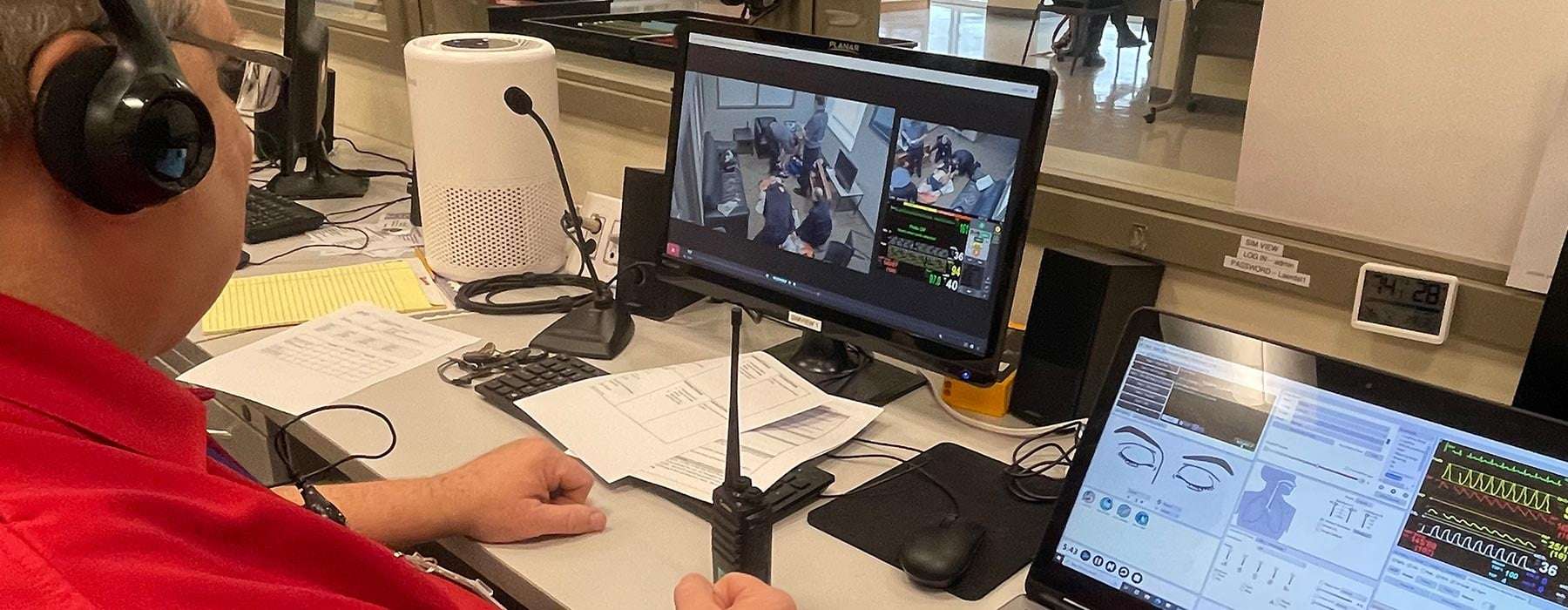
Video-assisted debriefing can make this process even more effective. It can help educators connect feedback to observable behaviors rather than general impressions. And, rather than relying solely on memory, learners can review exactly what occurred during the scenario. Seeing their own performance often helps

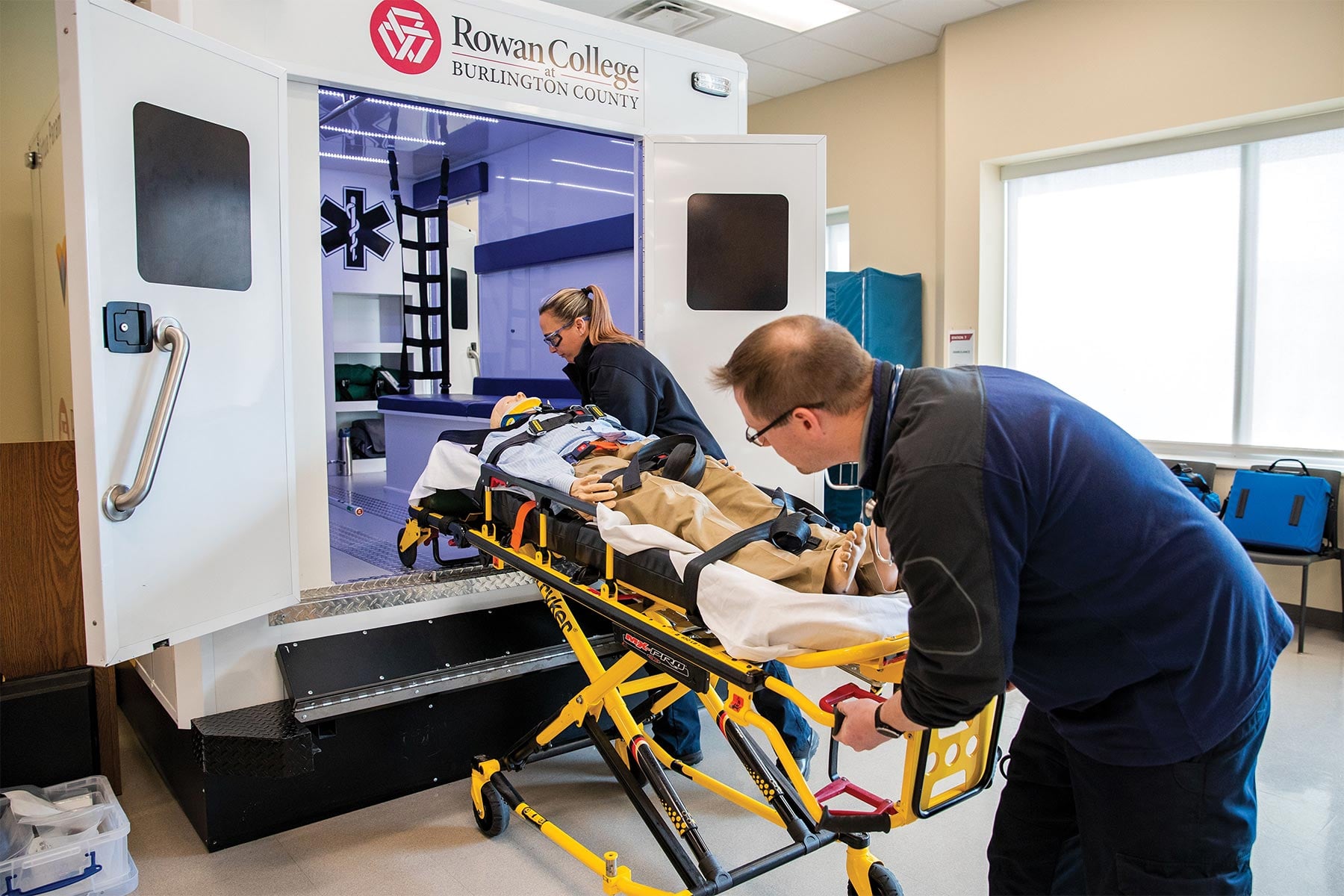
“When we’re live in an environment, we have our own internal perception of what’s going on,” explains Ed Biebel, Clinical Simulation Manager at Rowan College at Burlington County in New Jersey, USA. “They have one perception of how an event went when they were live in it, but when they go back and watch the video, they say, ‘I see now.” 


"To give them that view of themselves from the outside ... it can be limitless in this education. I think it has the potential to really change the way we do debriefing, change the way we educate students – for the better."

Ed Biebel,

Clinical Simulation Manager, Rowan College at Burlington County 

Ed Biebel


A video recording system like SimCapture Mobile Camera can support this process by capturing video of simulations wherever you run them and allowing instructors to annotate key teachable moments for debriefing. This can help educators deliver more targeted feedback while encouraging learner self-reflection.  


Key takeaway: The more clearly learners can see their performance, the easier it becomes to understand strengths, recognize gaps, and improve.

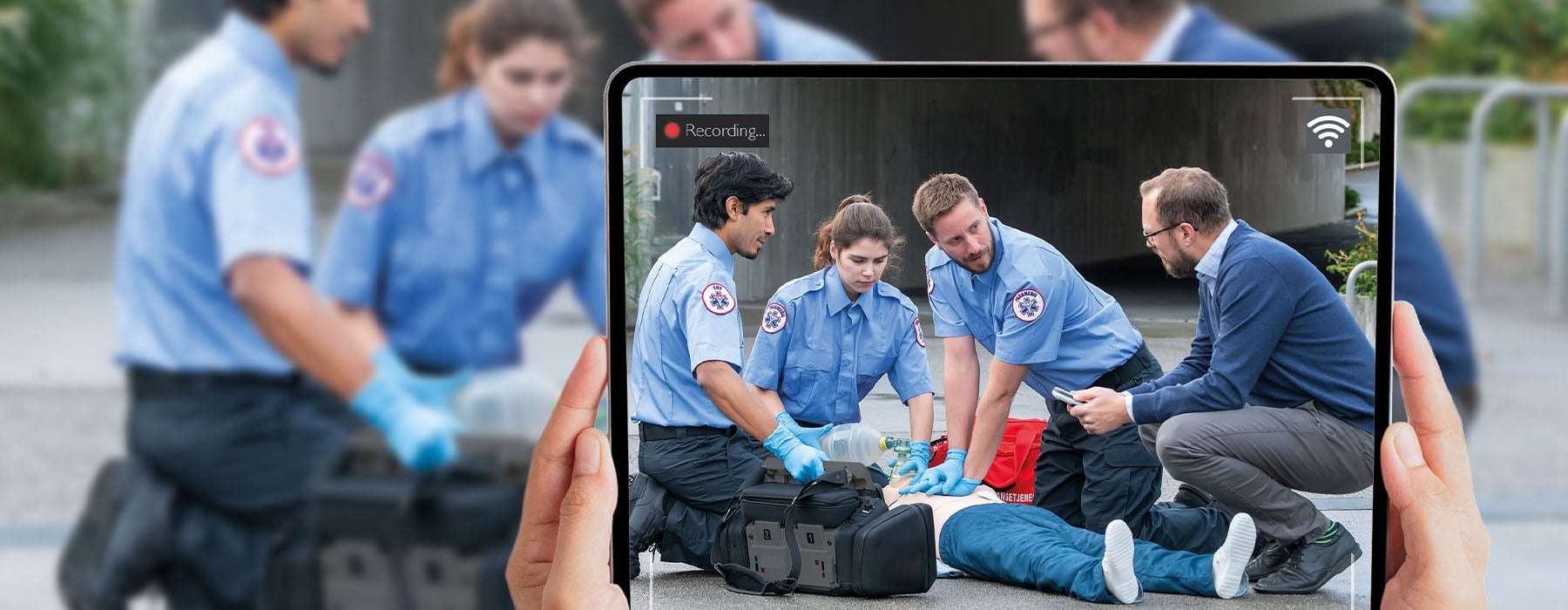
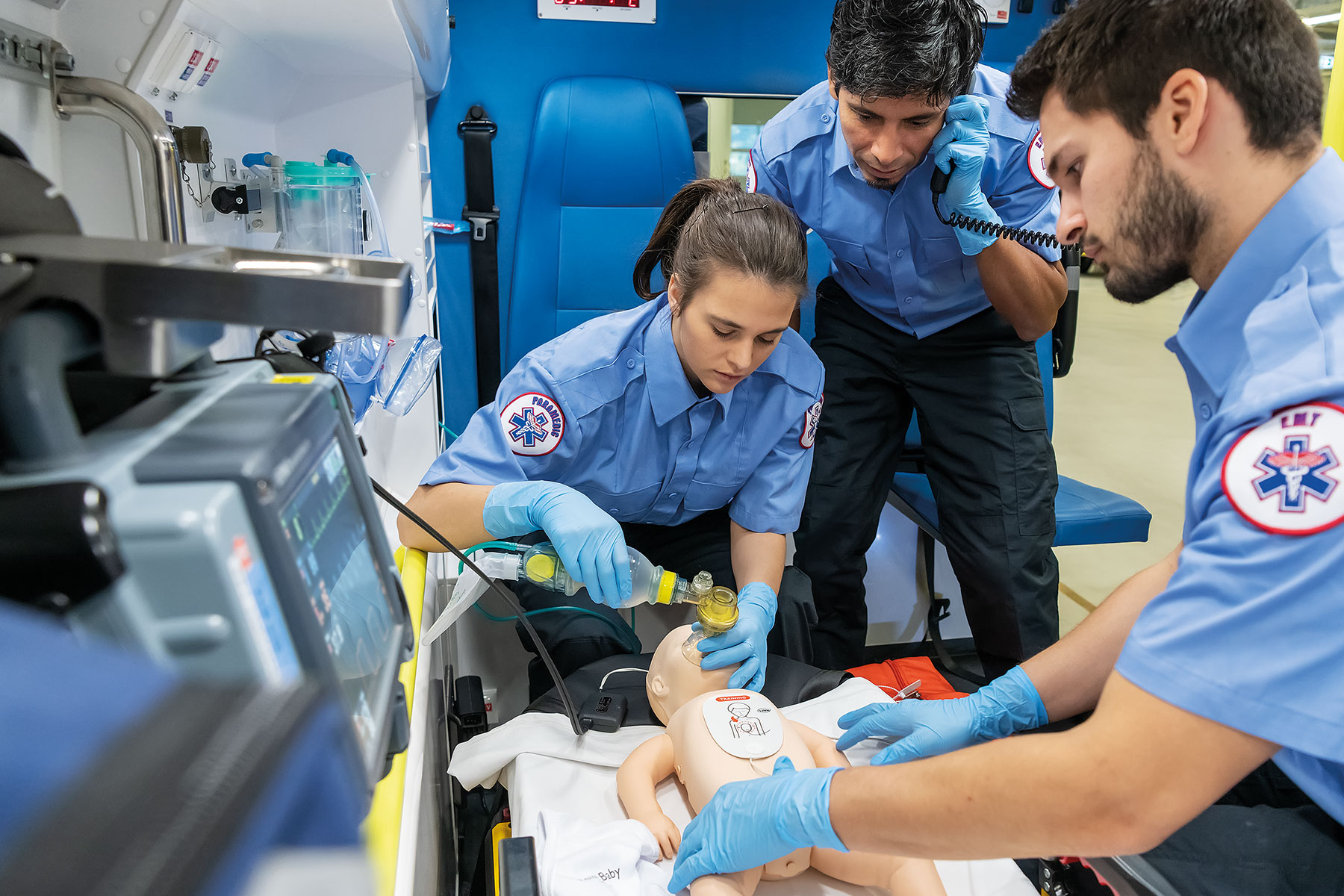
Hands holding up a tablet while recording EMS training happening outside, in a natural environment

3. Spot learner gaps before they affect patient care.

Observing a learner once rarely tells the whole story.

Meaningful assessment requires educators to gather evidence of performance over time, identify patterns, and monitor learner growth throughout the educational journey.


Simulation performance data can help educators:

  • Identify individual learner gaps 
  • Spot cohort-wide performance trends
  • Support remediation efforts
  • Monitor learner progression over time
  • Inform curriculum improvements
  • Document competence development 


These insights often reveal patterns that would be difficult to spot from a single simulation.  

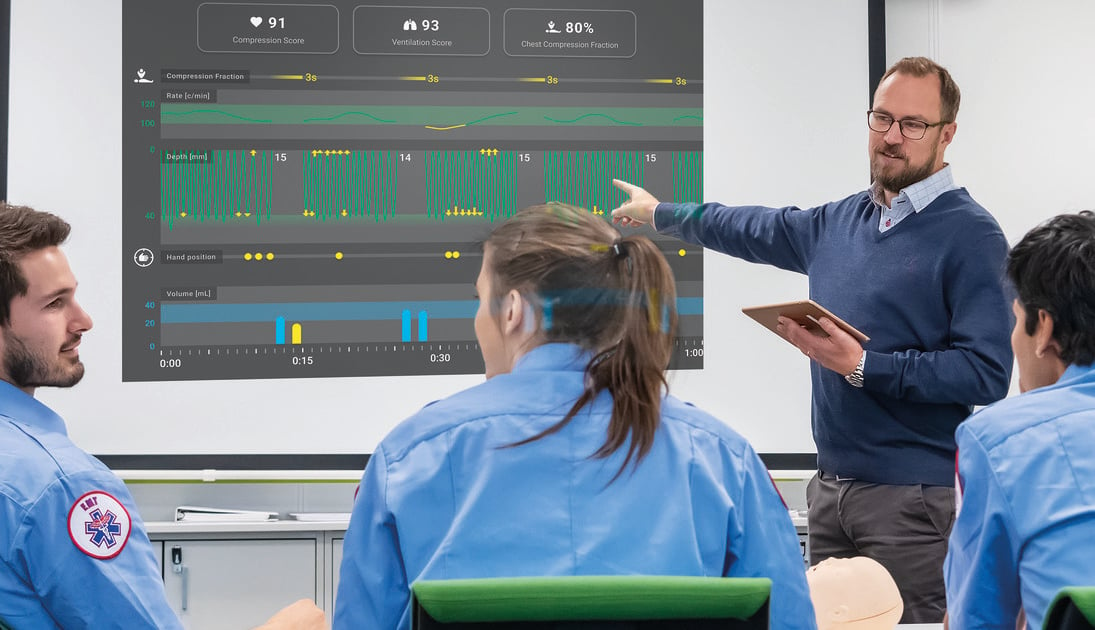
A simulation management system like SimCapture can help bring assessment data together by organizing assessment results, standardizing assessment processes, and tracking performance across multiple learning experiences. This allows educators to move beyond isolated observations and gain a clearer picture of learner development over time.  

“Your data really does tell a story,” explains simulation expert Rosemary Samia, MSN, RN, CNS, CHSE. “But you have to be able to read what the data is telling you—and then do something with it.”    


Key takeaway: Meaningful assessment depends on evidence of learner growth. Simulation performance data helps educators understand not only where learners are today, but how they are progressing over time.

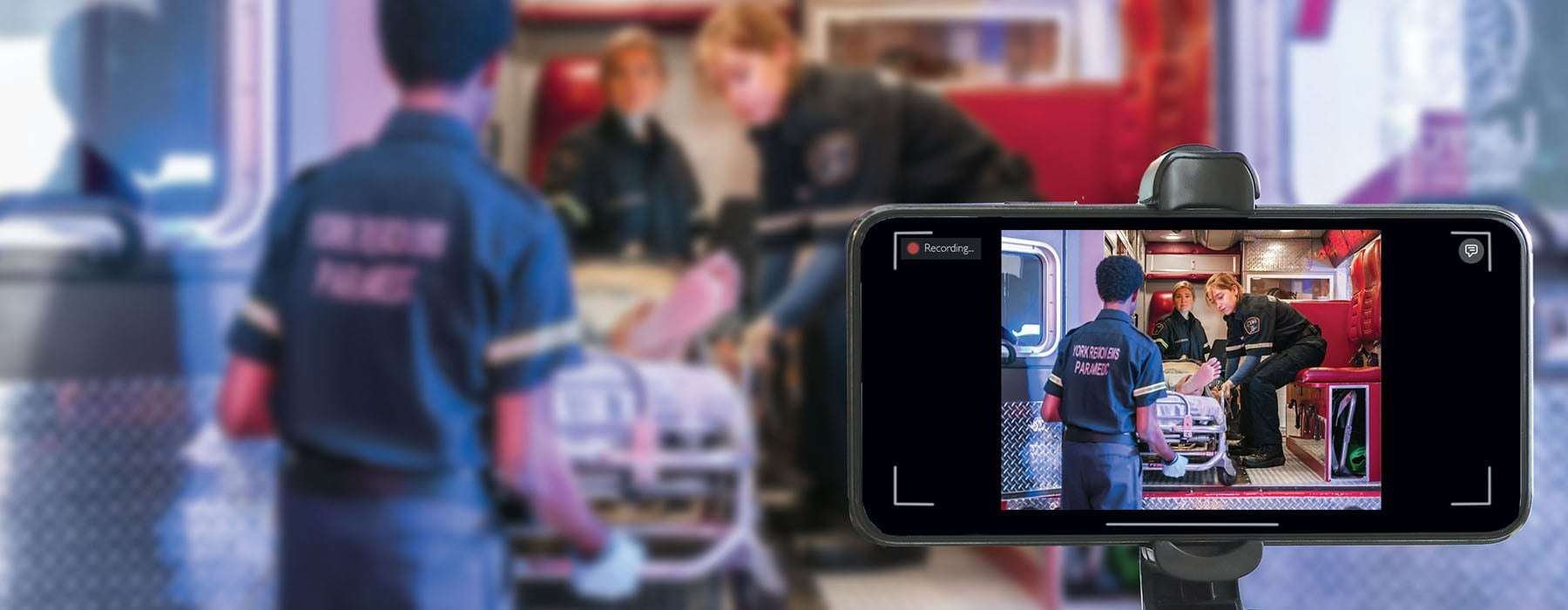
EMS training in ambulance being recorded on SimCapture Mobile Camera app

Building competence through deliberate practice, feedback, and assessment 

Competence develops through guided practice, meaningful feedback, and repeated exposure to challenging situations.

Simulation supports all three.

Repeatable simulations help learners demonstrate competence under consistent conditions. Video-assisted debriefing helps them understand their performance and learn from mistakes. Performance data helps educators identify gaps, monitor progress, and make more informed decisions about learner readiness.

Together, these approaches can help EMS education programs move beyond measuring training completion and toward a deeper understanding of learner competence. For educators working to prepare practice-ready providers, simulation is a powerful way to develop, observe, assess, and document learner growth over time. 

Key takeaways


  • EMS learner competence develops through guided practice, feedback, and repetition. 
  • Simulation gives every learner consistent opportunities to demonstrate competence. 
  • Video-assisted debriefing helps learners recognize strengths and performance gaps. 
  • Simulation performance data can reveal trends that single observations may miss. 
  • Effective assessment looks at learner growth over time, not just training completion. 

Frequently asked questions

How can simulation help assess EMS learner competence?

Simulation allows educators to observe clinical reasoning, communication, teamwork, decision-making, situational awareness, and technical skills in a controlled environment. Because scenarios can be repeated, educators can assess performance under consistent conditions. 

Why is repeatability important in EMS simulation?

Repeatability gives every learner the same opportunity to demonstrate competence. Educators can run, debrief, and repeat scenarios so learners can apply feedback, improve performance, and demonstrate growth over time. 

What is deliberate practice in EMS education?

Deliberate practice is a structured approach in which learners perform a skill or scenario repeatedly, receive feedback, make adjustments, and try again. Simulation provides opportunities for this ongoing cycle of practice and improvement. 

How does video-assisted debriefing support learner development?

Video-assisted debriefing allows learners to review their own performance and observe behaviors they may not have noticed during a simulation. This can promote self-reflection, support instructor feedback, and help learners identify opportunities for improvement. 

What can simulation performance data tell educators?

Simulation performance data can help educators identify individual learner gaps, spot cohort-wide trends, support remediation efforts, monitor progression over time, and inform curriculum improvements. 

How can SimCapture support EMS simulation programs?

According to this article, SimCapture can support video-assisted debriefing by capturing simulations and allowing instructors to annotate teachable moments. It can also help organize assessment data and track learner performance across multiple learning experiences. 

Contact us about Competency-based Education Solutions

Vi vil håndtere dine personlige kontaktopplysninger med forsiktighet som beskrevet Laerdal's Privacy Policy.

Vi vil håndtere dine personlige kontaktopplysninger med forsiktighet som beskrevet Laerdal's Privacy Policy.

You may also like...