Saltar al contenido

How LSU Is Expanding Clinical Practice Opportunities with Nursing Anne Simulator


About

As Louisiana's first accredited simulation center, LSU School of Nursing’s simulation program includes dedicated simulation and lab spaces designed to support nursing education across the curriculum. 

As nursing programs seek to expand clinical learning opportunities, educators continue to explore ways to create meaningful opportunities for practice before learners enter patient care settings.

At LSU New Orleans School of Nursing, skills and lab learning are integrated throughout the student experience. Under the leadership of Nursing Skills and Technology Center Director Dr. Aimme McCauley, the program uses Nursing Anne Simulator to create opportunities for hands-on practice across the curriculum, from independent skills practice and competency assessment to structured skills and lab activities. 


Image of Aimme McCauley

Aimme McCauley, DNP, RN, CNE, CHSE 

Director of Nursing Skills & Technology Center and Instructor of Clinical Nursing


Providing opportunities for independent practice 

One of LSU Health’s most distinctive approaches is giving students access to the simulators outside scheduled skills and lab activities.

The school reserves a Nursing Anne Simulator for student use in the student practice lab, allowing learners to practice independently when they want additional hands-on experience.

Making the decision to give students independent access to a simulator was a shift from the more controlled approach that many skills and lab programs take.

“Our students have consistently demonstrated professionalism and respect in the practice lab, and they have upheld that same standard of accountability and stewardship in their care of the Nursing Anne Simulator,” Dr. McCauley notes.

This access gives students additional opportunities to revisit concepts, refine skills, and build confidence beyond scheduled lab sessions.  

Students frequently use the simulator to practice foundational assessment skills on their own schedule. “Students most often seek additional repetition in blood pressure measurement, head-to-toe assessment, foundational nursing skills, and auscultation of breath and heart sounds,” she explains. “Our students value the Nursing Anne Simulator as a reliable resource for deliberate practice.”

The independent practice puts students in the driver’s seat when mastering their competencies, giving them more accountability and ownership of the learning experience. 

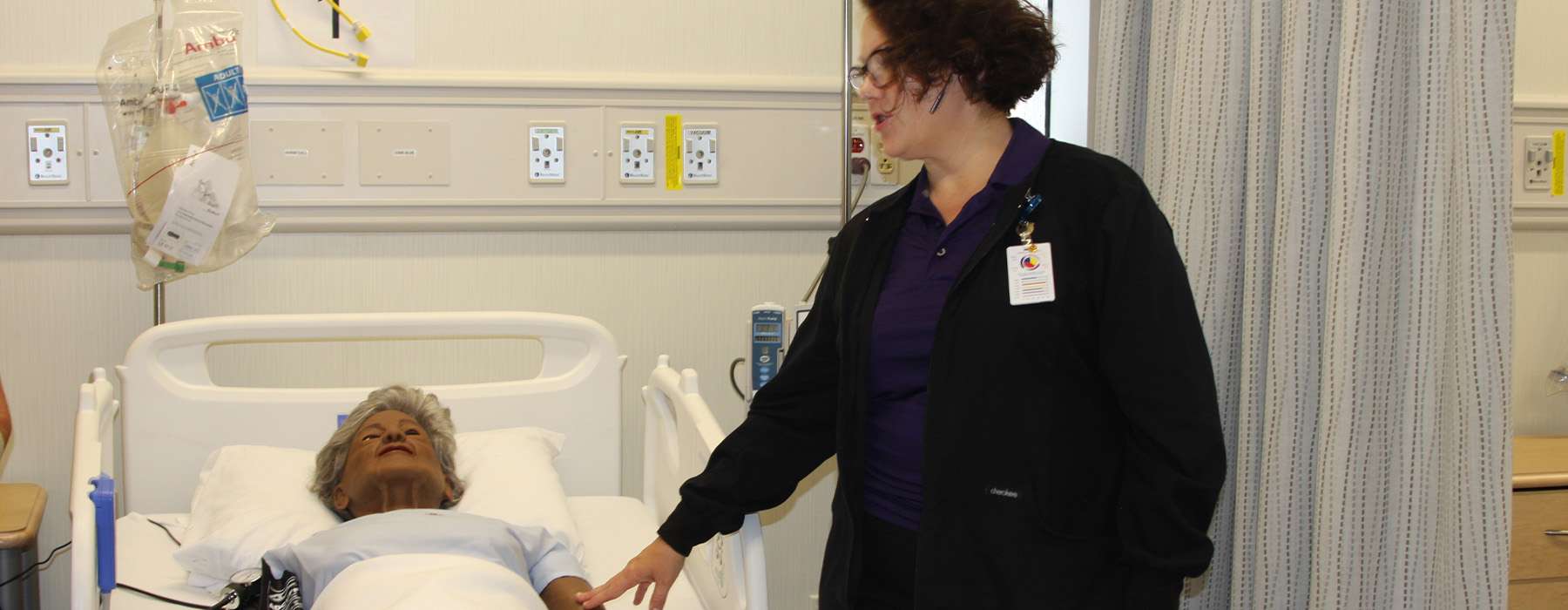
An instructor standing next to a hospital bed with a manikin in it.

Creating learning experiences students want to engage with

Providing access to independent practice is only part of the equation. For Dr. McCauley, realism plays an important role in keeping students engaged and focused on optimal patient care.

“It is a priority at LSU Health that our learning environment reflect the community it serves,” she says. “Our focus is patient-centered care, and the environment in which students learn to deliver that care should represent the diversity of the population they will serve.”

“We want our graduates prepared to deliver individualized care to patients whose characteristics, backgrounds, and needs differ,” she adds.

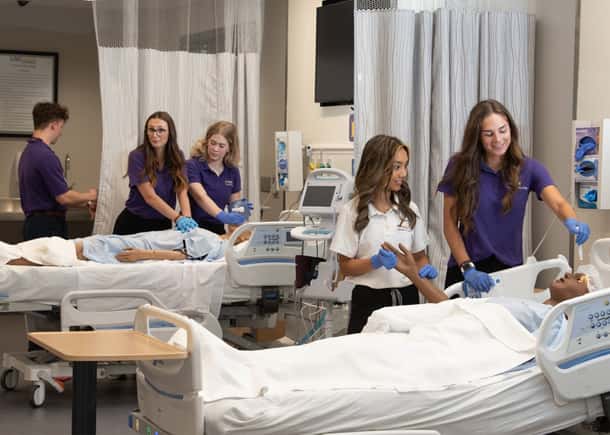
To support that goal, LSU Health New Orleans has built a collection of Nursing Anne Simulators in various skin tones, ethnic characteristics, and ages. Incorporating overlays, wigs, culturally specific clothing, and other accessories allow learners to encounter a wide variety of patient presentations.

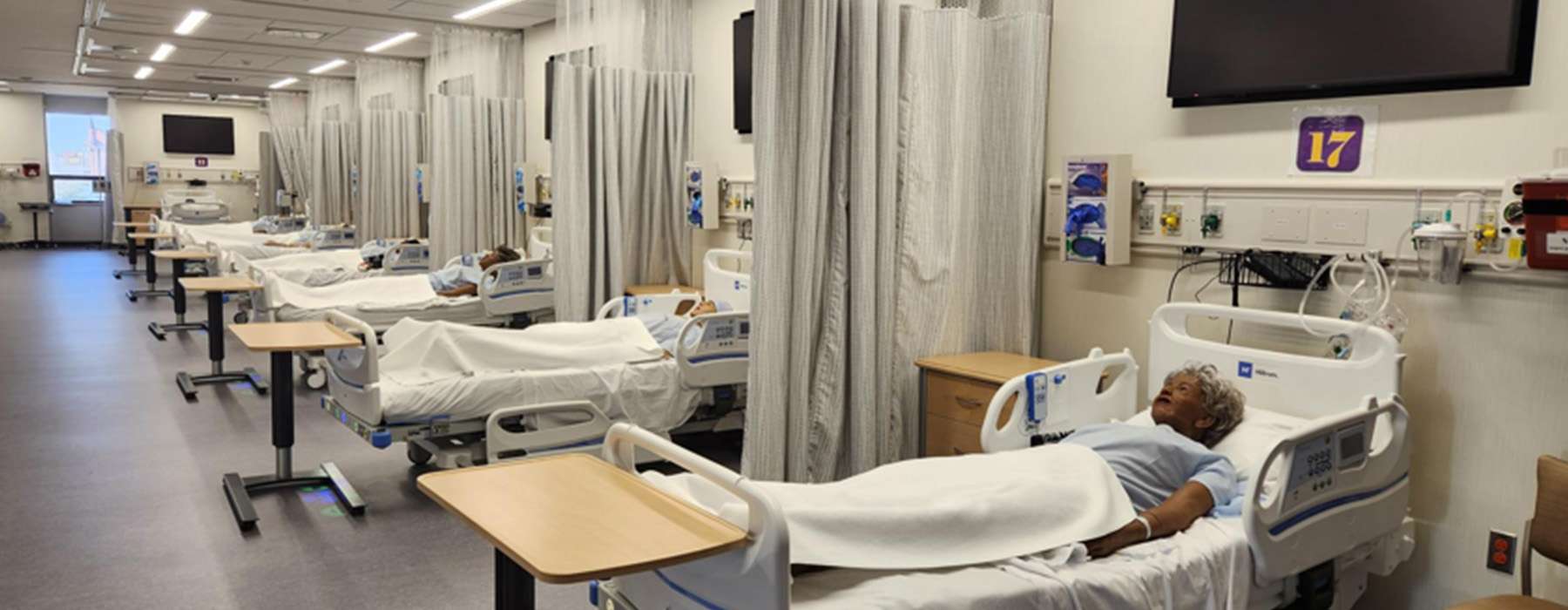
The result is an environment that feels less like a skills lab and more like a clinical care setting. 
 

"Visitors consistently remark that the lab does not present as a room of simulators. It presents as a room of patients."


For Dr. McCauley, this level of realism helps students stay engaged. “That is precisely what fidelity produces: engagement,” she says.  
 

"Students recognize these distinctions immediately, and those features keep their attention on the patient and the plan of care rather than on the technology. That is the substantive value of the Nursing Anne Simulator."

A row of hospital beds, each containing a training manikin.

Supporting clinical practice across the curriculum 

Beyond independent practice, LSU Health incorporates Nursing Anne Simulator throughout the nursing curriculum, allowing students to build skills across multiple educational experiences. 

The simulator is used in skills and lab activities including:
  • Health assessment training
  • Skills practice
  • Competency evaluations
  • Mass casualty simulations 


Students encounter the platform repeatedly as they progress through the program, giving them opportunities to practice and develop clinical skills in different contexts.

Dr. McCauley highlights Nursing Anne Simulator’s features such as realistic blood pressure assessment, auscultation capabilities, wound care options, catheterization, and physical assessment functionality as valuable components of the educational experience.

Using a single simulator platform across multiple learning objectives allows LSU Health to support a wide range of educational activities while maintaining consistency across courses and learning experiences.

“The Nursing Anne Simulator meets the needs of our undergraduate skills and lab curriculum,” Dr. McCauley states. 

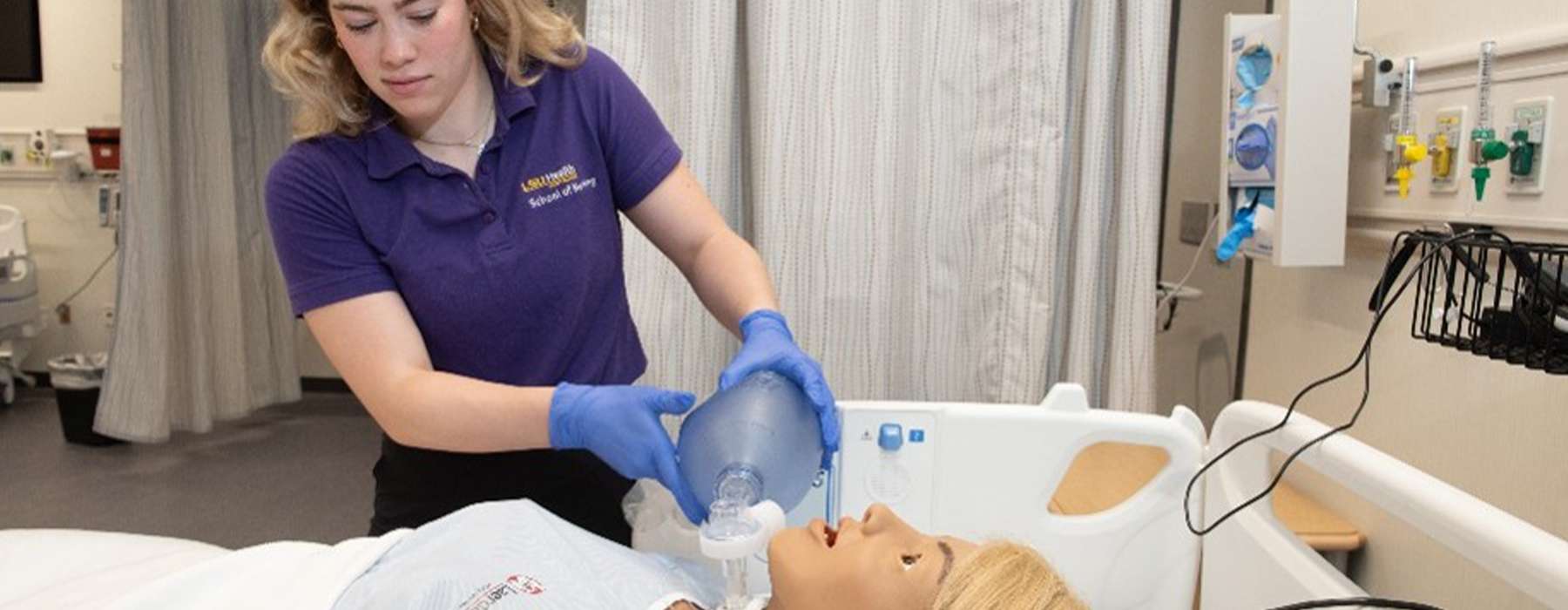
A nursing student wearing a purple shirt training using a manikin.

Helping faculty expand learning opportunities with limited resources 

Expanding practice opportunities often requires additional staffing and resources. LSU Health’s approach demonstrates how learning can be scaled while remaining manageable for faculty and lab support staff.

According to Dr. McCauley, faculty members can independently operate the Nursing Anne Simulator during routine skills and lab activities. This allows the Nursing Skills and Technology Center team to focus its efforts on supporting faculty, troubleshooting issues, and continuing to develop the program.

By reducing the need for dedicated staff during every lab activity, LSU can provide access to high-fidelity lab experiences for students while maintaining a sustainable operational model. 

Extending skills and lab resources beyond the nursing program 

At LSU Health New Orleans, the value of these skills and lab resources extends beyond nursing education.

Physical therapy and occupational therapy learners use the simulators during mobility and transfer training activities. Community healthcare organizations also utilize LSU Health’s skills and lab resources during skills validation events and professional development activities.

These partnerships create additional learning opportunities while helping LSU Health maximize the use of its skills and lab resources.

The simulators become more than a nursing education tool. They serve as a shared resource that supports multiple learner groups and healthcare partners throughout the community. 

Key takeaways

  • LSU Health New Orleans provides students with structured opportunities for independent practice outside scheduled lab time.
  • Realistic patient representation helps keep learners engaged and focused on care.
  • Nursing Anne Simulator supports learning across multiple courses and skill levels.
  • Faculty can operate the simulator independently, reducing reliance on dedicated lab staff.
  • LSU Health extends its skills and lab resources to other disciplines and community healthcare partners. 

Solicitar más información

Trataremos sus datos con cuidado de acuerdo con la Política de Privacidad de Laerdal.

Trataremos sus datos con cuidado de acuerdo con la Política de Privacidad de Laerdal.

You may also like...