1. Make every pediatric simulation experience count.
When training opportunities are scarce, a simulator needs to do more than look like a child. Learners need to assess, recognize, decide, intervene, evaluate the patient's response, and adjust their care as the clinical situation evolves. The experience should immerse participants in a situation that prompts them to respond as they would in real life.
“The goal of any simulation is for people to do what they would in the real situation,” explains Lou Halamek, MD, FAAP.
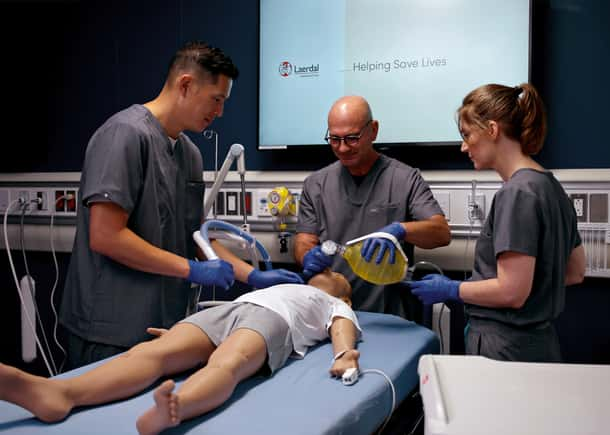
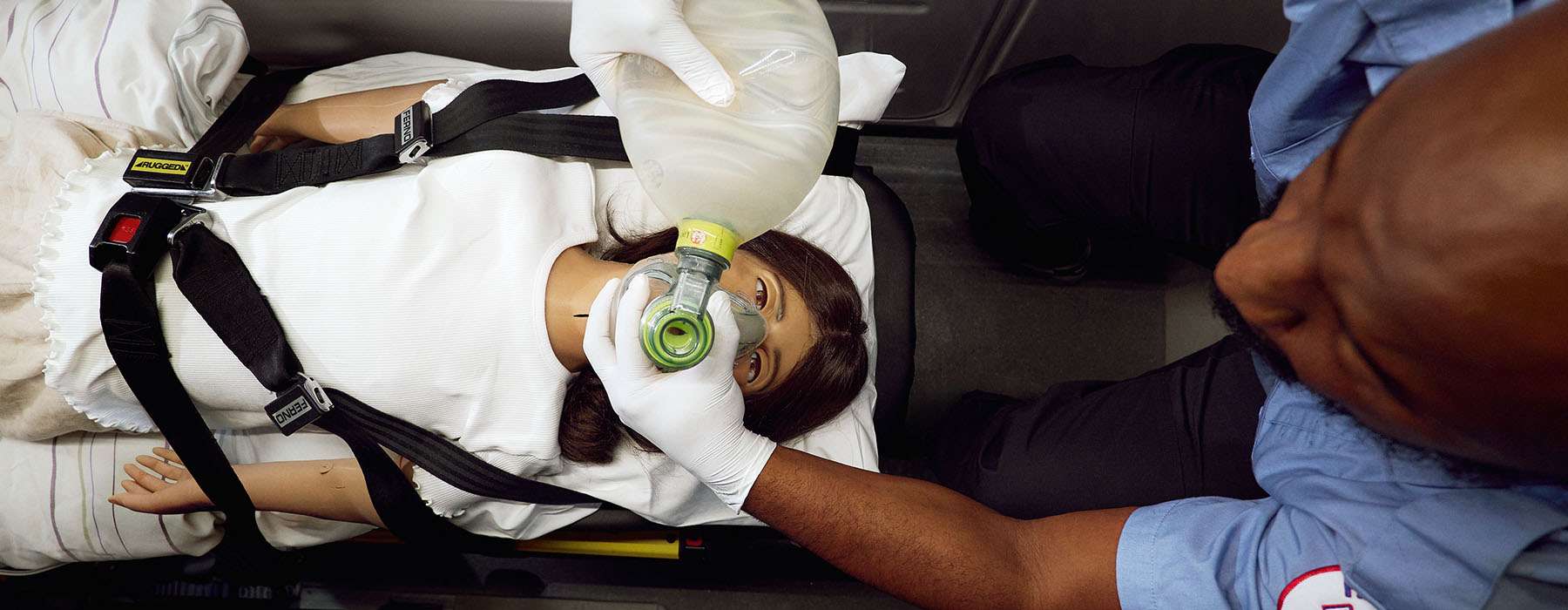
The new SimJunior simulates an approximately 8-year-old child and includes clinical capabilities designed to support that level of immersion:
- Advanced airway functionality to support realistic airway assessment and intervention
- Realistic work of breathing, including visible chest movement and retractions, to help learners recognize changes in respiratory status
- A simulated stethoscope with accurate auscultation findings to make assessment more natural
- Bilateral assessment and intervention capabilities to support realistic clinical workflows
- Neurological features, including seizures and reactive eyes technology, to expand the range of patient presentations
- Full articulation to support realistic patient handling and lifelike positioning
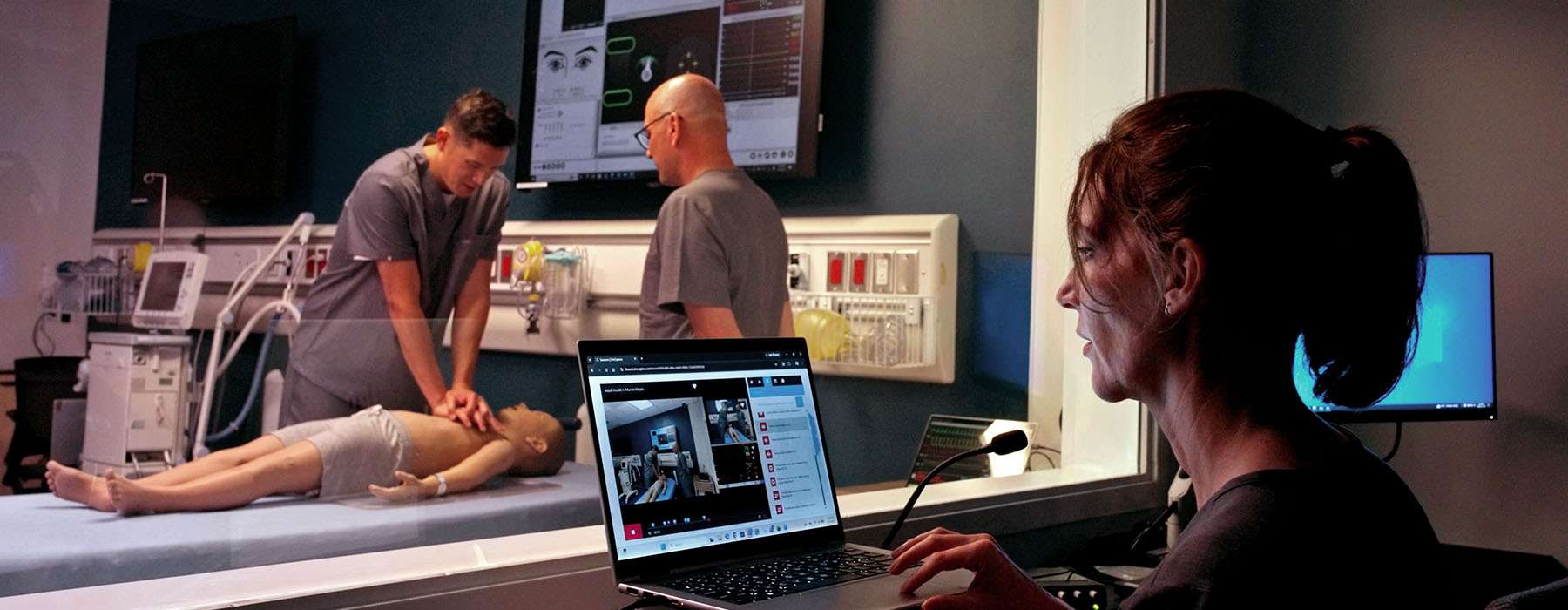
- Accurate CPR training with progressive chest resistance and real-time quality feedback
Together, these capabilities create a more believable experience that allows clinicians to focus on caring for the patient rather than the technology itself.
When limited practice time feels clinically authentic, each experience has a better chance of strengthening assessment, communication, decision-making, and response.
Scenarios such as seizures can introduce the clinical urgency, emotional stress, and competing priorities learners may encounter in practice.
“That's a skill that [you don't fully appreciate] until you see it and understand the visceral response that you get when someone is seizing and you know there's a potential for it to go south with an airway situation while a parent is there,” explains Dr. Desiree Díaz, Assistant Dean at Vanderbilt University School of Nursing. “Figuring out how we can compartmentalize our emotions, set them aside, and care for the manikin, as well as monitoring everything else...that's a great feature with SimJunior.”
What this means for you
If you’re in healthcare: Give teams realistic opportunities to recognize deterioration, coordinate care, and respond to pediatric emergencies.
If you’re in professional education: Help fill gaps in pediatric clinical exposure with consistent opportunities to build and assess competence before learners enter practice.
If you’re in EMS: Prepare providers for time-critical, high-risk, low-frequency pediatric situations they may encounter infrequently in the field.
If you’re in the military: Create repeatable pediatric practice when operational demands and limited patient exposure make hands-on opportunities difficult to predict.