1. View simulation as a quality improvement tool, not just a training activity.
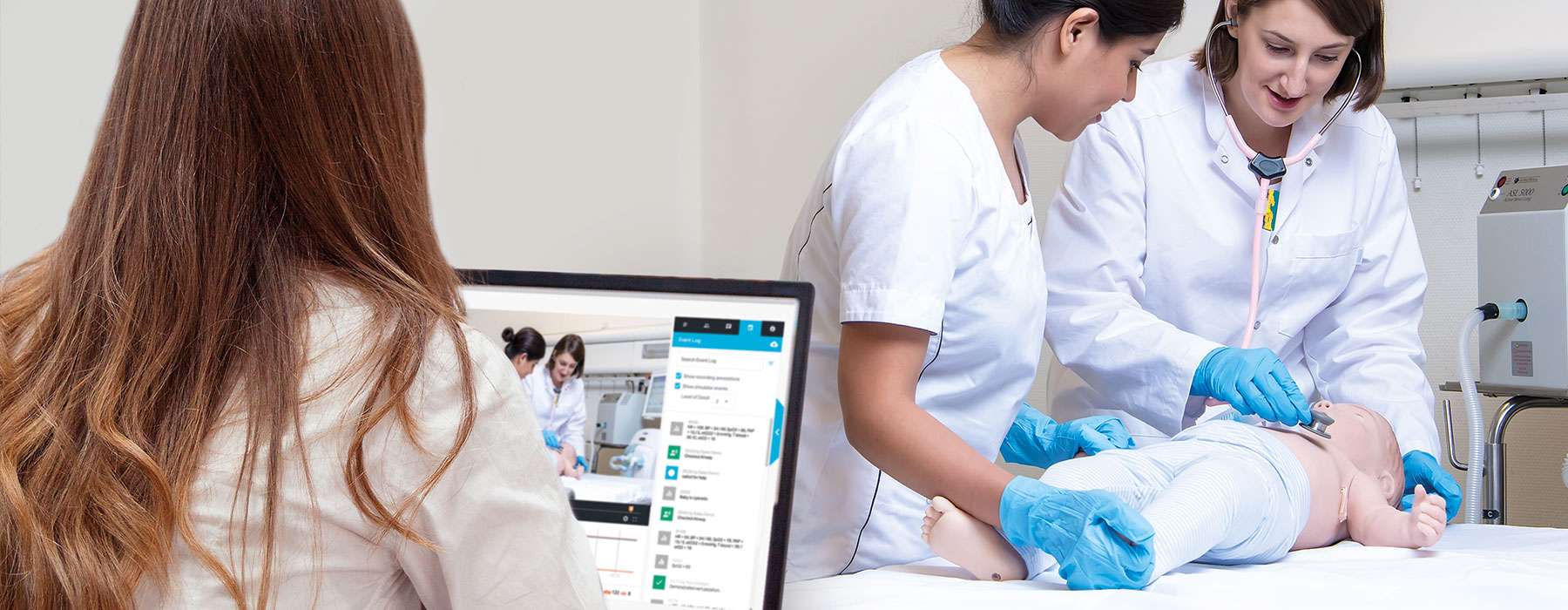
For many organizations, simulation begins as an educational activity. That was true at Alder Hey as well. Simulation had been part of the hospital’s approach to learning for many years, particularly through advanced life support and pediatric emergency training.
Over time, however, Russell and his colleagues began asking a different set of questions.
“How can we make it better? How can we be more impactful? How can we spread the word?” he recalled.
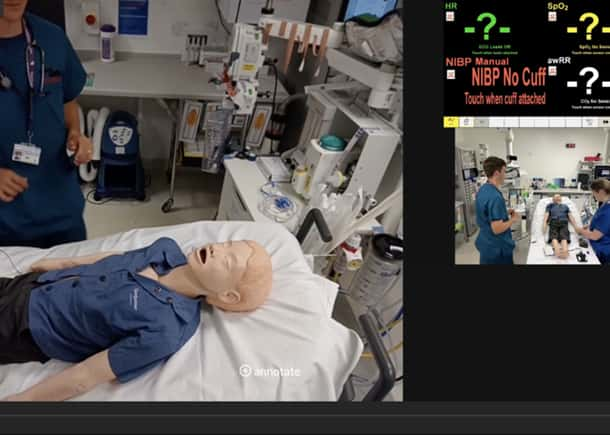
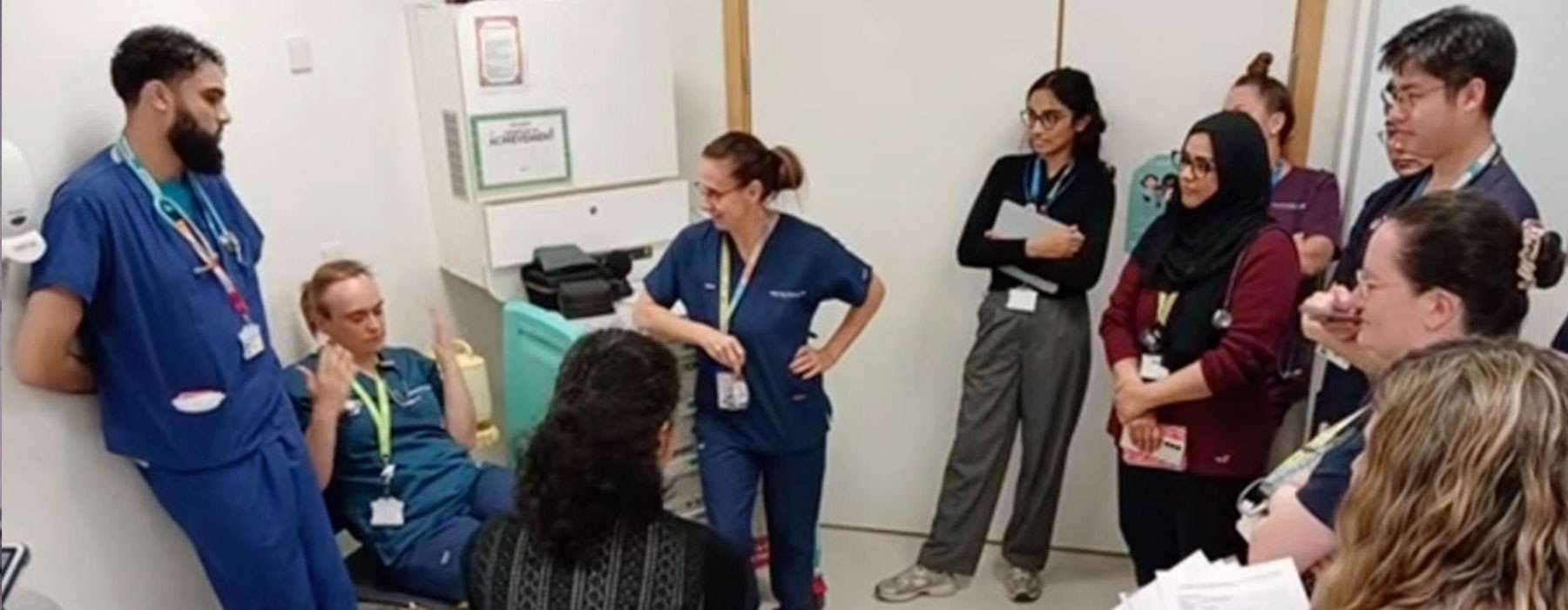
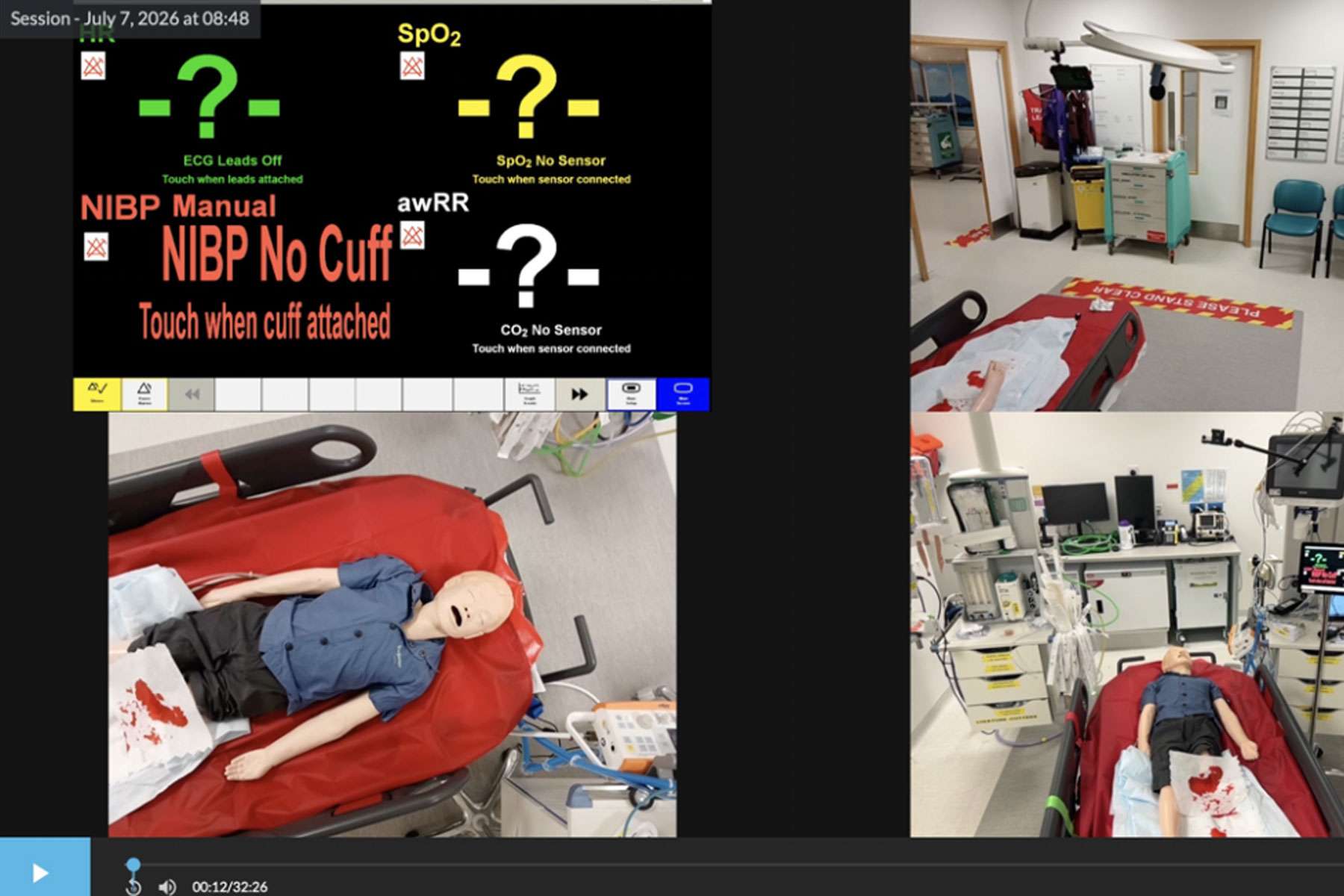
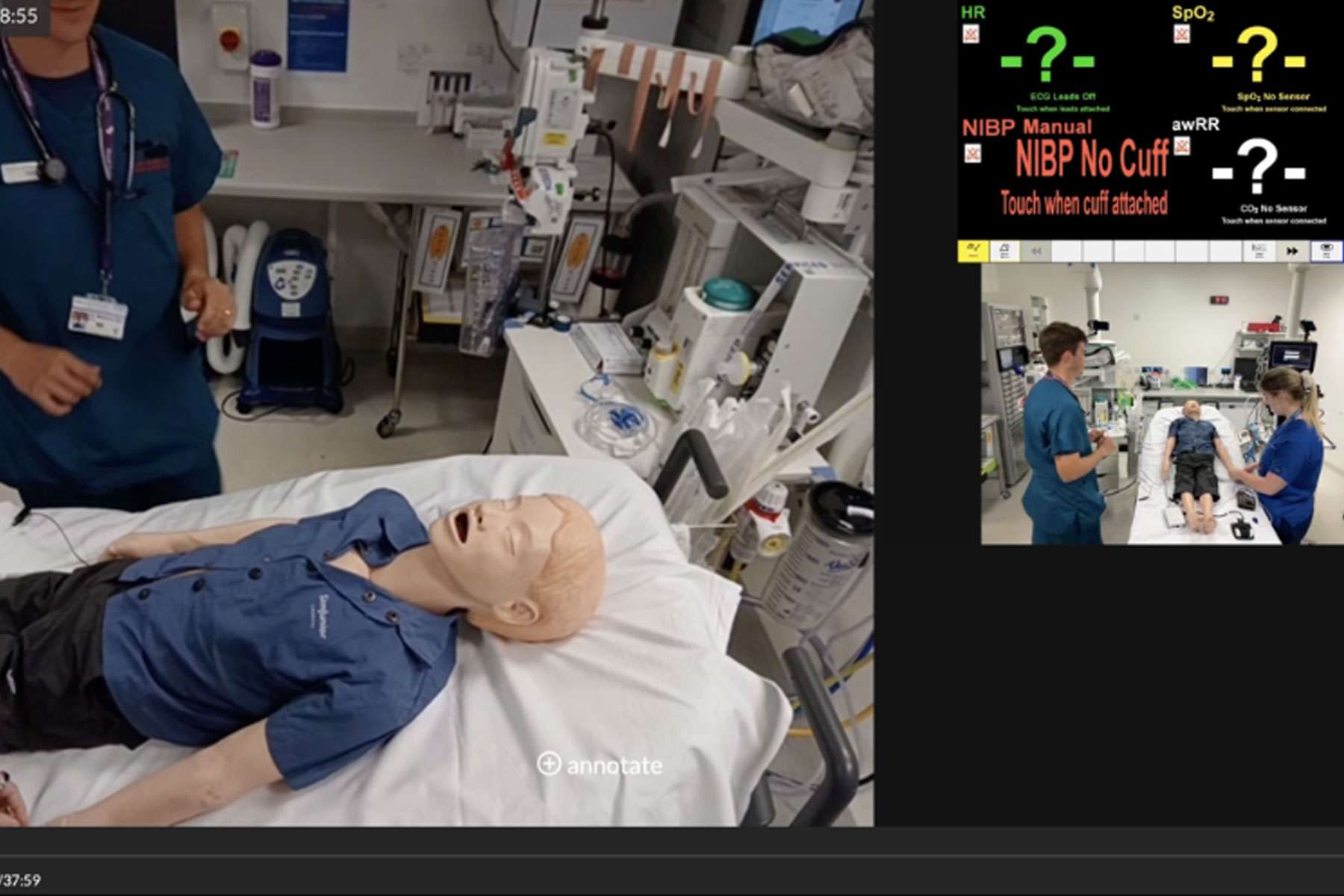
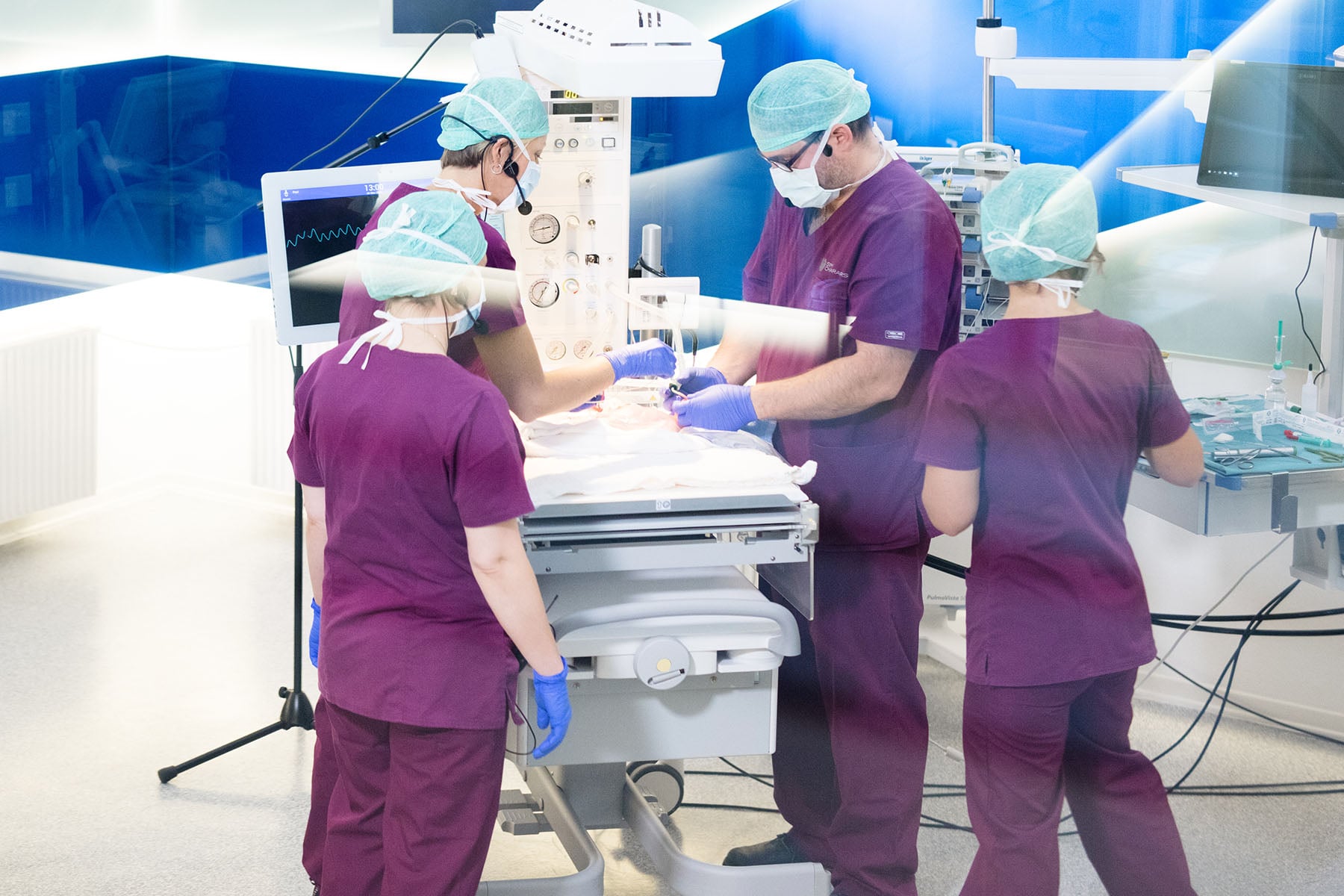
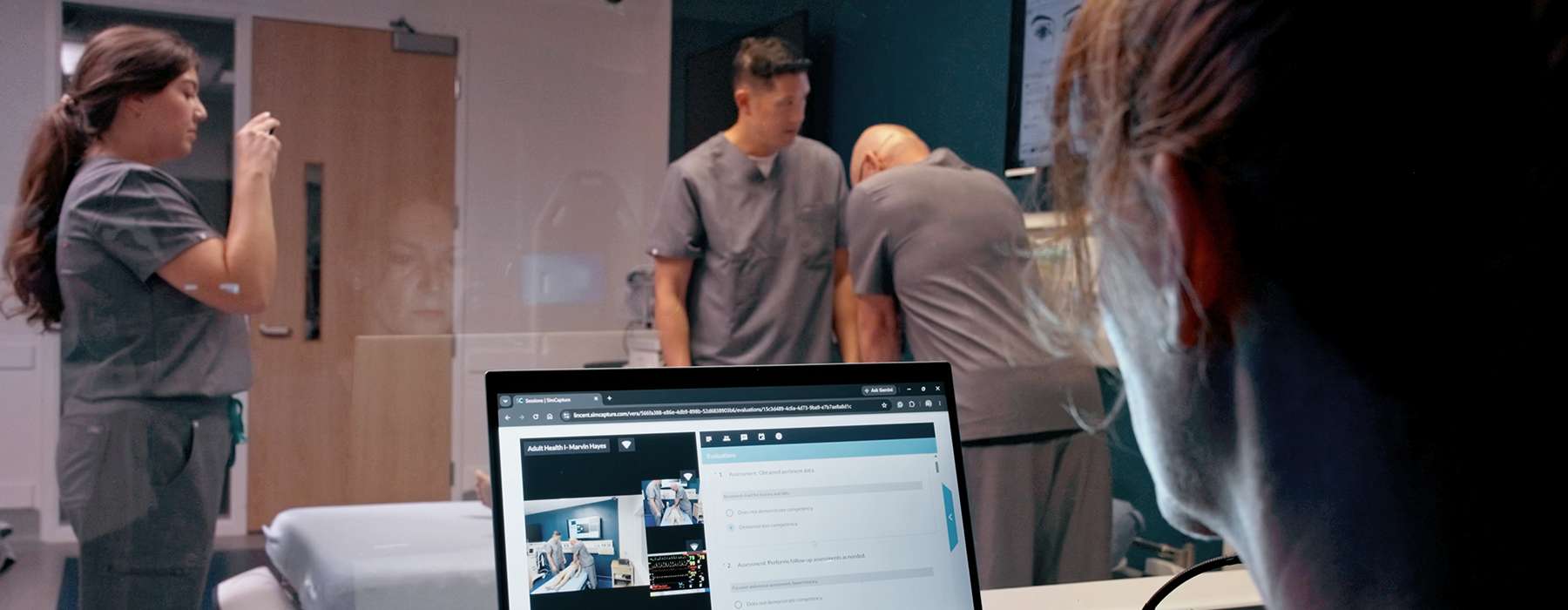
Those questions led the team to expand simulation beyond traditional teaching and into everyday clinical practice. Rather than focusing solely on individual knowledge and skills, simulation became a way to explore systems, environments, communication pathways, and readiness for change across the organization.
That shift opened new possibilities. Simulation could help identify process gaps, uncover environmental challenges, and evaluate how teams and systems work together before issues affect patient care.
By broadening the role of simulation, you can create opportunities to improve not only individual performance, but also the systems that support safe, effective pediatric care every day.
Key takeaway: Look beyond individual performance. Use simulation to evaluate the systems, processes, and environments that shape patient care.