Healthcare Quality Improvement
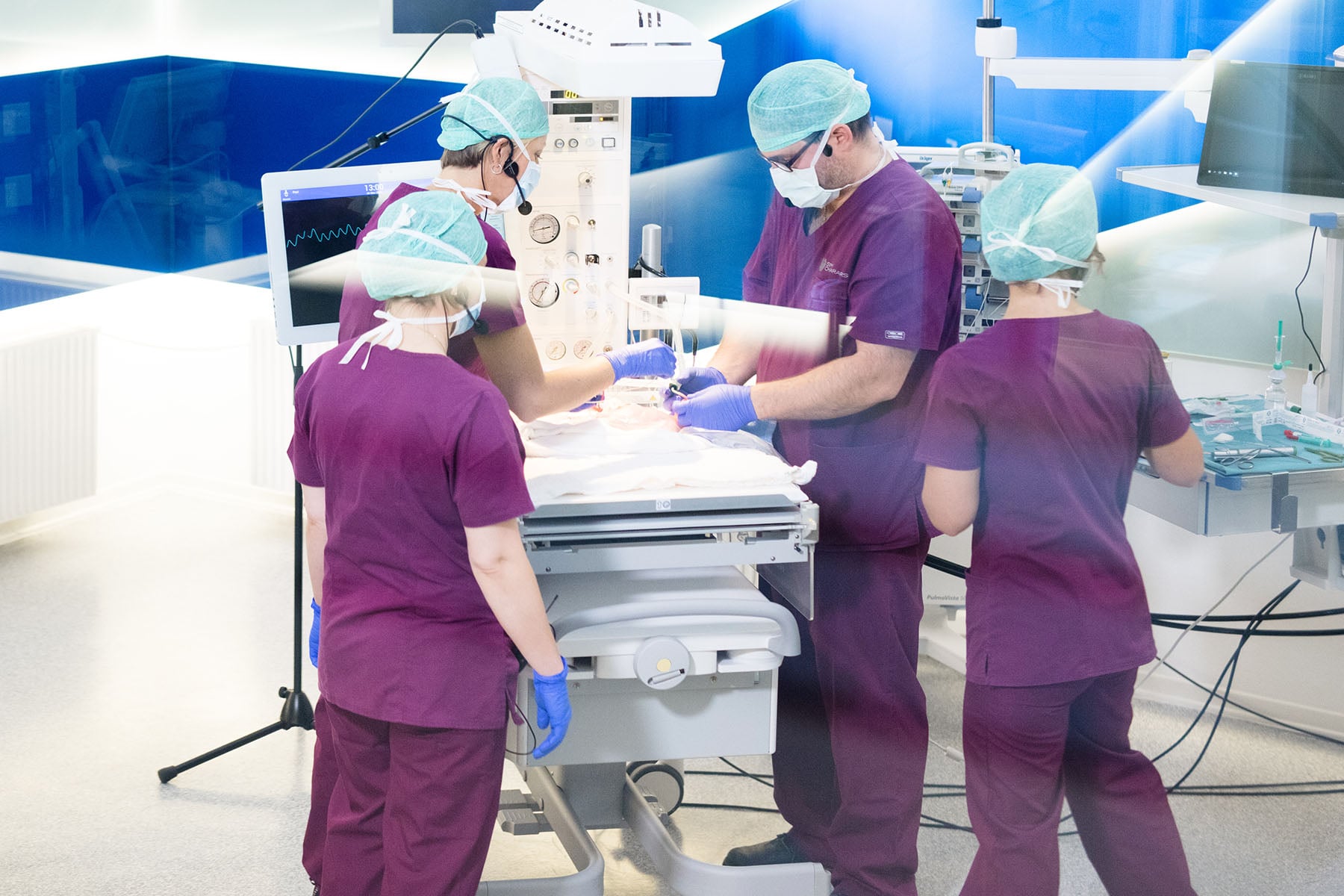
Kvalitetsforbedring i helsevesenet (HQI) omfavner pasientsimulering som et kraftfullt verktøy for å forbedre teamprestasjoner og systemeffektivitet.
Les Mer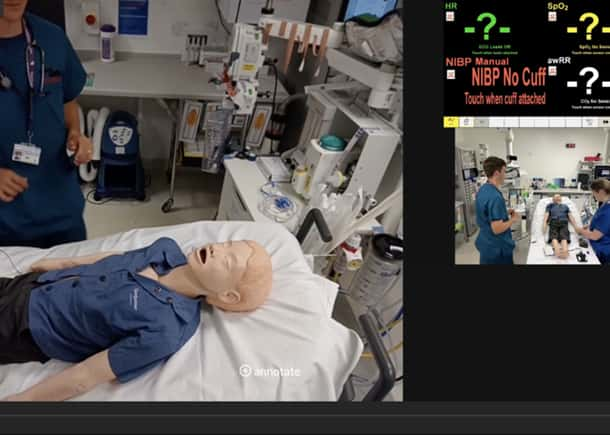
What if you could identify risks, test new workflows, and evaluate a new clinical environment before a single patient is affected?
At Alder Hey Children’s Hospital, simulation is helping teams do exactly that. During a recent webinar, Russell Ashworth, Education Lead for Clinical Simulation, shared how the organization is using simulation and the SimCapture video recording system to evaluate systems, engage stakeholders, and learn from potential challenges before they occur in real life.
The experience offers valuable lessons for healthcare organizations looking to improve processes, reduce risk, and prepare for change.

Education Lead for Clinical Simulation & Technology Enhanced Learning
Alder Hey Children's NHS Foundation Trust

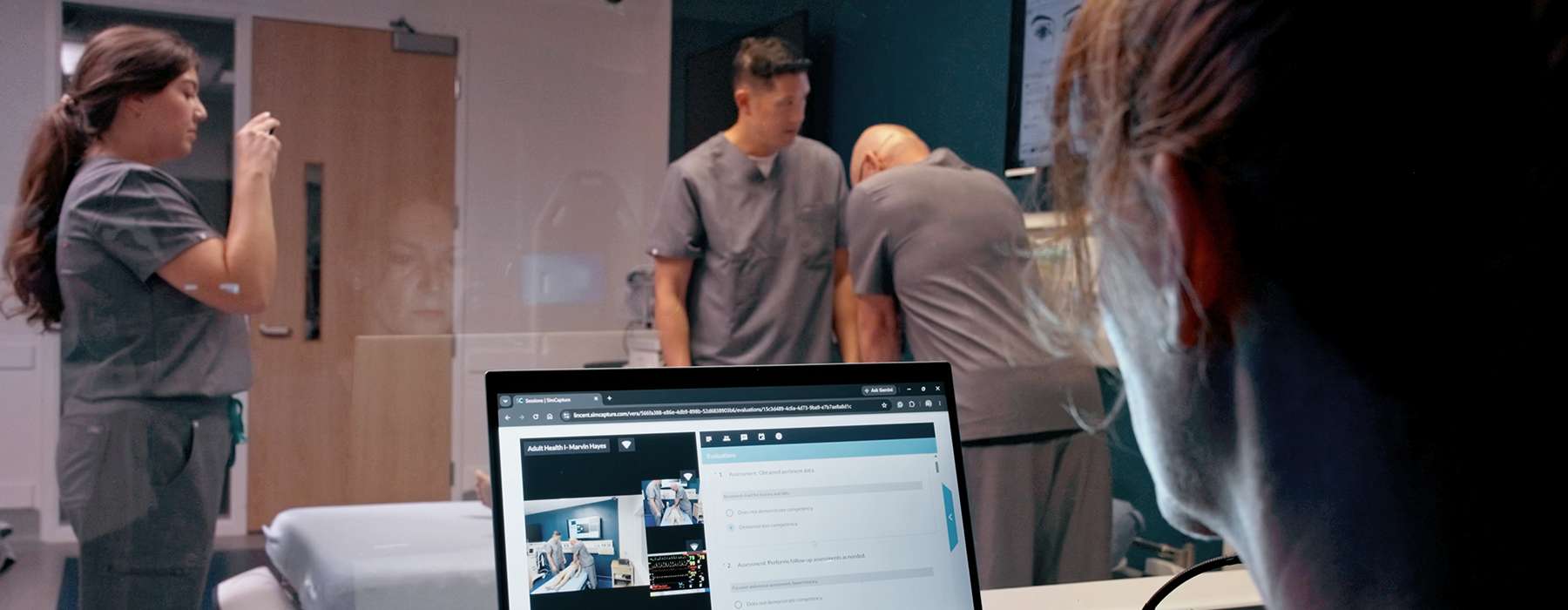
For many organizations, simulation begins as an educational activity. That was true at Alder Hey as well. Simulation had been part of the hospital’s approach to learning for many years, particularly through advanced life support and pediatric emergency training.
Over time, however, Russell and his colleagues began asking a different set of questions.
“How can we make it better? How can we be more impactful? How can we spread the word?” he recalled.
Those questions led the team to expand simulation beyond traditional teaching and into everyday clinical practice. Rather than focusing solely on individual knowledge and skills, simulation became a way to explore systems, environments, communication pathways, and readiness for change across the organization.
That shift opened new possibilities. Simulation could help identify process gaps, uncover environmental challenges, and evaluate how teams and systems work together before issues affect patient care.
By broadening the role of simulation, you can create opportunities to improve not only individual performance, but also the systems that support safe, effective pediatric care every day.
Key takeaway: Look beyond individual performance. Use simulation to evaluate the systems, processes, and environments that shape patient care.
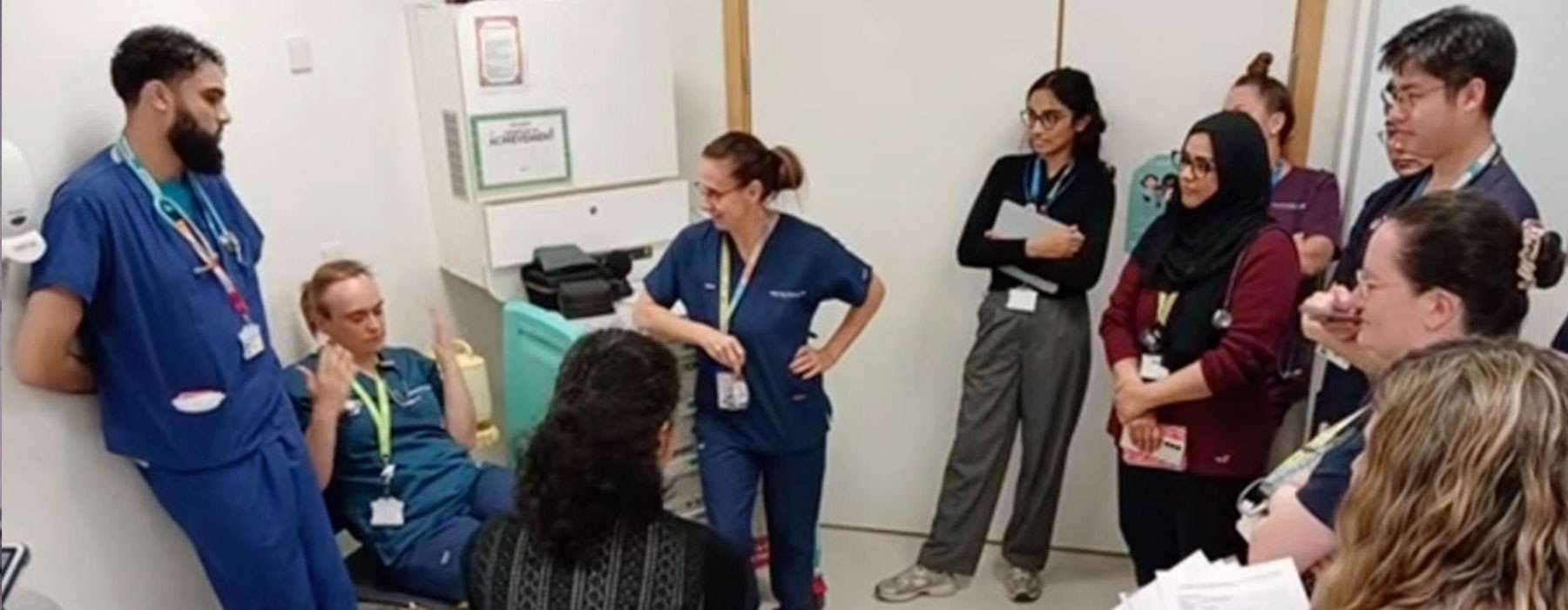
One of the clearest examples from Alder Hey is its work preparing for a new neonatal surgical unit.
Before the facility opens, Russell and team are using simulation to evaluate workflows, communication pathways, equipment placement, transport routes, evacuation procedures, and models of care.
Many of these activities reflect the principles of in situ simulation, where scenarios are conducted in the actual clinical environment rather than a simulation center. “In situ makes it more personable to the staff who get involved,” Russell explained.
“When we do the simulations, we may discover problems that haven’t arisen yet without physically walking through it or delivering care in there,” he said.
“We use simulation to try and preempt any problems and work through them,” he explained. “Not just to get a result, but actually try and test the robustness of the system that we have.”
“We try and discuss it as, ‘Let’s try and break it. Because if we can break it through sim, it’s probably easier broken in reality.’”
Russell Ashworth
Education Lead for Clinical Simulation & Technology Enhanced Learning
Alder Hey Children's NHS Foundation Trust
This proactive mindset can help identify vulnerabilities, improve processes, and reduce risk before patients are affected.
Key takeaway: Use simulation to test change before implementation. Identifying risks before patients encounter them can help prevent problems and strengthen new workflows.

Observations can spark improvement. The challenge is helping others see what you see.
At Alder Hey, SimCapture helped bridge that gap by providing a way to record, review, and share simulation activities. Instead of relying on notes or recollections, teams could revisit events and examine exactly what occurred.
“Using SimCapture, we can say, ‘Watch that. Oh my word. There it is,’” Russell pointed out.
That visibility proved especially valuable when engaging stakeholders outside the simulation team. Leaders, governance groups, patient safety teams, and emergency planning staff could observe issues firsthand and participate in conversations about potential solutions.
"No longer are they just getting the results from someone. They’re seeing the results."
Russell Ashworth
Education Lead for Clinical Simulation & Technology Enhanced Learning
Alder Hey Children's NHS Foundation Trust
“We can use it to identify clinical risks and provide evidence for the improvements we put in place,” Russell explained. “[The evidence comes from using simulation] and using SimCapture to show that.”
Key takeaway: Improvement efforts gain momentum when stakeholders can see the evidence for themselves. Capturing and reviewing simulations can help turn observations into informed action.
One of the most relatable themes from the discussion was the role of psychological safety.
When simulation is closely associated with testing or assessment, participants can worry about making mistakes, appearing unprepared, or being judged by colleagues. Alder Hey encountered many of those concerns as its simulation program expanded.
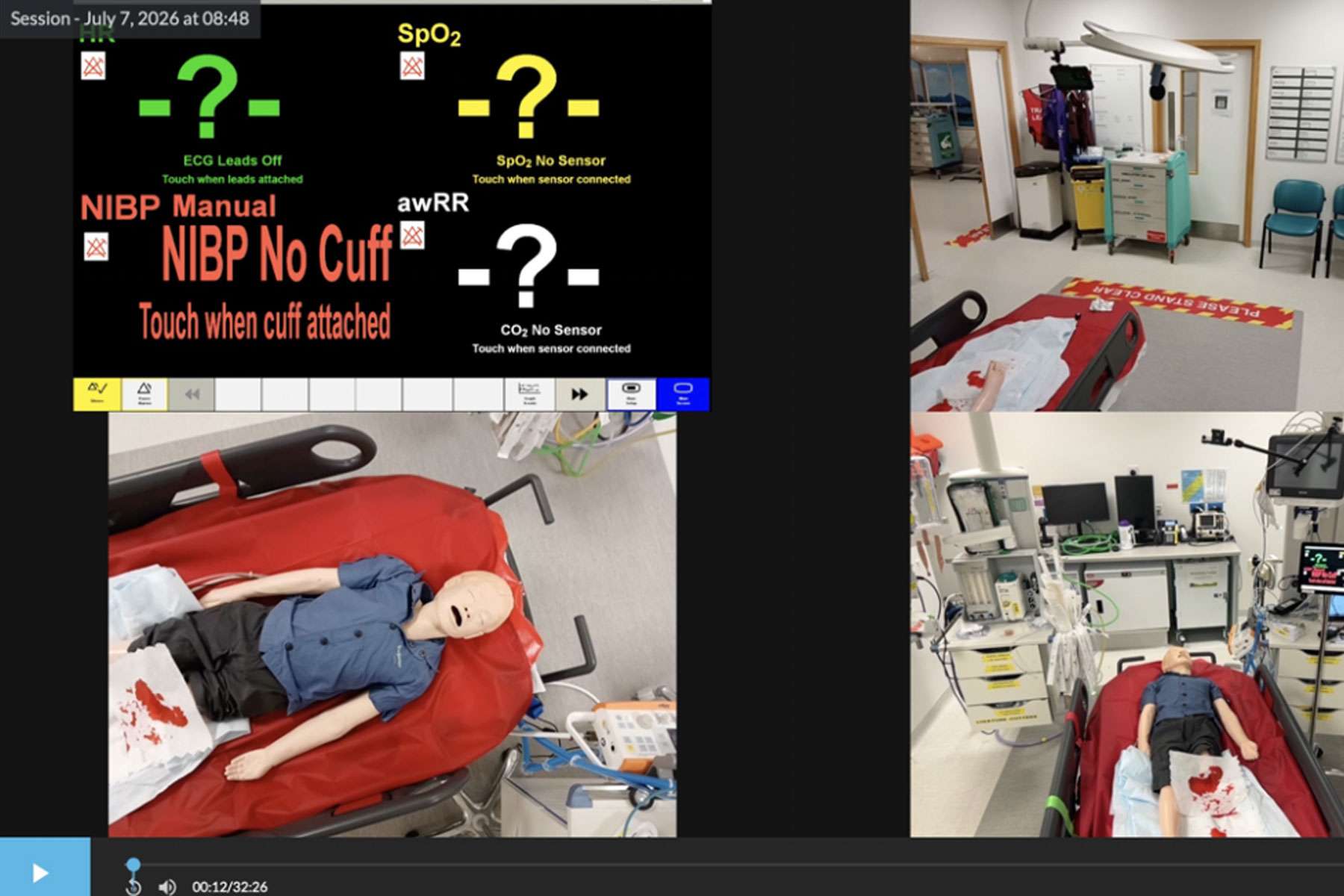
Russell and the team worked intentionally to position simulation as a learning experience rather than an evaluation exercise. The same approach applied to recording and livestreaming simulation activities. Transparency about how recordings would be used, who could access them, and how they supported learning helped clinicians become more comfortable participating.
“It’s getting rid of the fear,” Russell said. “And once that’s gone, all the engagement comes.”
Over time, staff began to see captured simulations as a tool for reflection and growth rather than criticism. That change encouraged broader engagement and created richer discussions about both individual and system performance.
Key takeaway: People learn more openly when simulation is viewed as a safe space for reflection rather than evaluation. Psychological safety is essential for meaningful improvement.
Simulation becomes increasingly powerful when it extends beyond educators and frontline clinicians.
Throughout Alder Hey’s journey, success depended on engaging stakeholders from across the organization, including senior leadership, finance, procurement, governance, emergency planning, patient safety, and clinical teams.
“You’ve got to get buy-in from everyone,” Russell said.
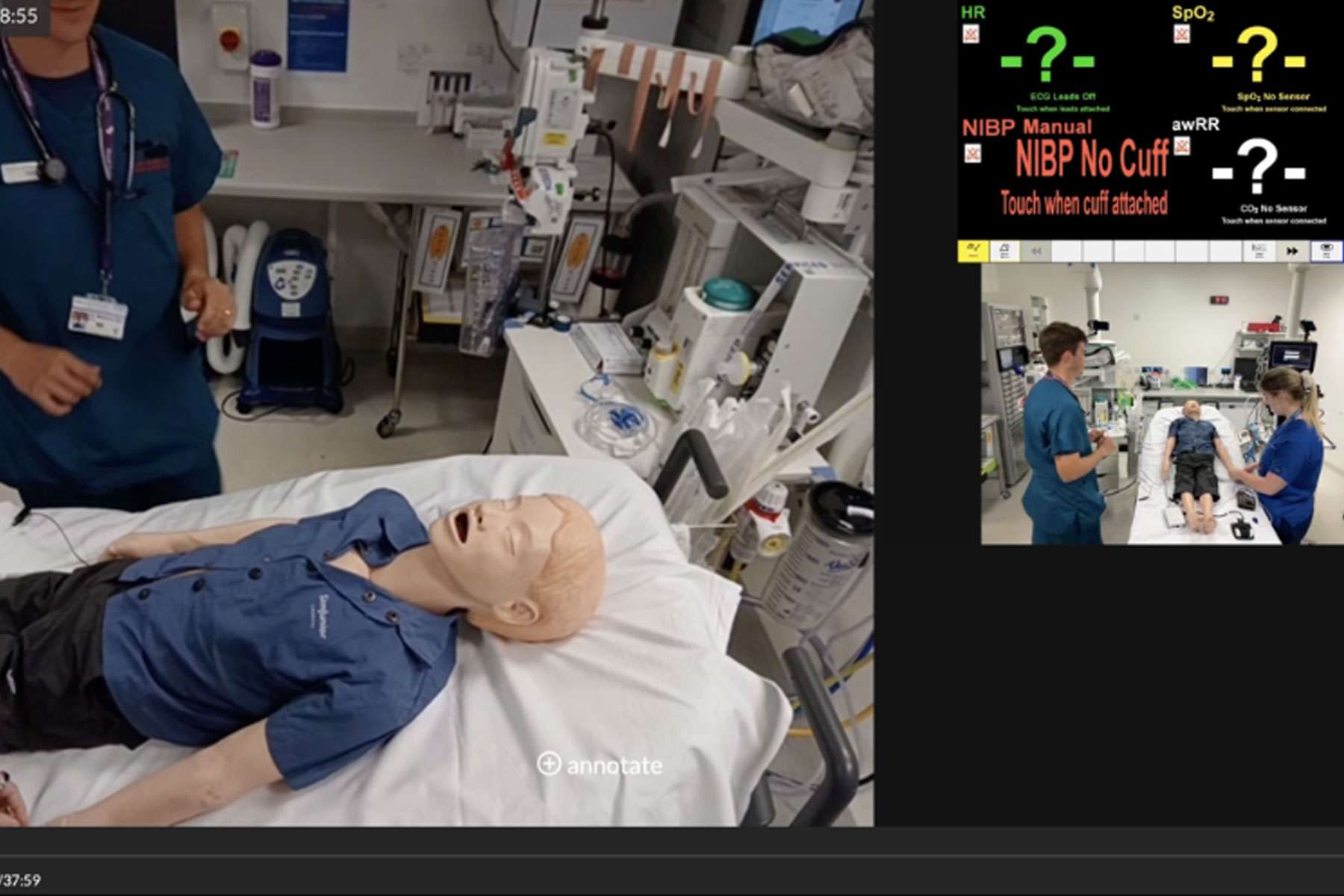
Achieving that support meant helping non-clinical stakeholders see simulation in action and understand how it could contribute to broader organizational priorities, from risk reduction to operational planning.
Capturing simulation activities through SimCapture helped support those conversations. Stakeholders who weren’t physically present could observe scenarios, review findings, and participate in discussions about improvement opportunities. By making simulation visible to people outside the clinical team, Alder Hey was able to build broader organizational support for improvement efforts.
This broader engagement helped simulation support organizational priorities that stretched well beyond training, including:
The result was a more collaborative approach to improvement, where diverse perspectives contributed to safer, more effective systems of care.
Key takeaway: People learn more openly when simulation is viewed as a safe space for reflection rather than evaluation. Psychological safety is essential for meaningful improvement.
When asked what organizations miss when they view simulation only as training, Russell offered a simple answer: “Opportunity.”
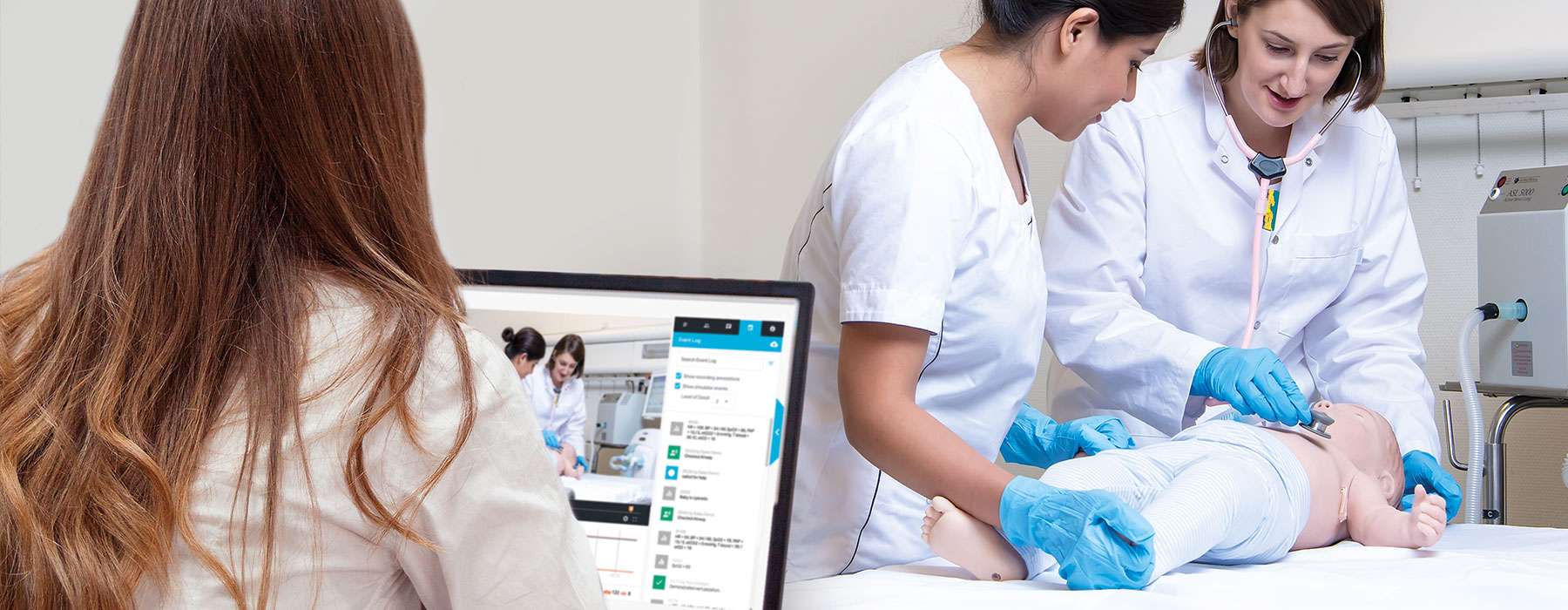
The experience at Alder Hey illustrates what that opportunity can look like in practice. By using simulation to test change, capture evidence, engage stakeholders, and examine systems as well as skills, healthcare organizations can uncover risks earlier and make more informed decisions about improvement efforts. SimCapture supports that process by helping teams document, review, share, and learn from those experiences.
For healthcare leaders, the lesson is clear: simulation can help you understand not only how people perform, but how your entire system functions. And that understanding can help create safer care, stronger processes, and greater readiness for whatever comes next.
Watch the on-demand webinar to see how Alder Hey Children’s Hospital is using simulation and SimCapture to test ideas, reveal hidden risks, and build stronger systems that support safer care for pediatric patients.