SimCapture for Skills
Read more on how self-directed learning and data-driven education help your students become more competent and confident.
Learn More

With three locations in Brookings, Rapid City and Sioux Falls, South Dakota State University (SDSU) offers programs including standard and accelerated BSN, RN to BSN, MSN, postgraduate certificates, DNP and Ph.D. SDSU’s simulation program holds accreditation from both the Core and Teaching/Education programs of the Society for Simulation in Healthcare (SSH).
South Dakota State University College of Nursing has recently undergone a major shift: It’s traded traditional education for a rigorous Competency-Based Education (CBE) model. The first cohort, under the American Association of Colleges of Nursing (AACN) Essentials curriculum, began in fall 2025.
For Dr. Alyssa Zweifel, Assistant Professor and Director of the Healthcare Simulation Center at SDSU, the transition to CBE is a natural evolution built upon the foundation of simulation.
“I think it’s amazing,” Dr. Zweifel said of CBE. “It aligns to simulation standards and theories that we’ve always done in simulation-based education very well.”
In fact, the core simulation team at SDSU had already been operating with a competency mindset — and team members now contribute their expertise as part of a larger group of CBE experts across the academic structure.

The Challenge
Because CBE emphasizes what students “do” rather than just what they “know,” it requires collecting a tremendous amount of formative and summative assessment data from simulations. It also means interpreting all that simulation data efficiently to help inform teaching strategies — both at the individual and cohort levels.
Naturally, managing all the data in a useful way has been a challenge for many programs — including SDSU.
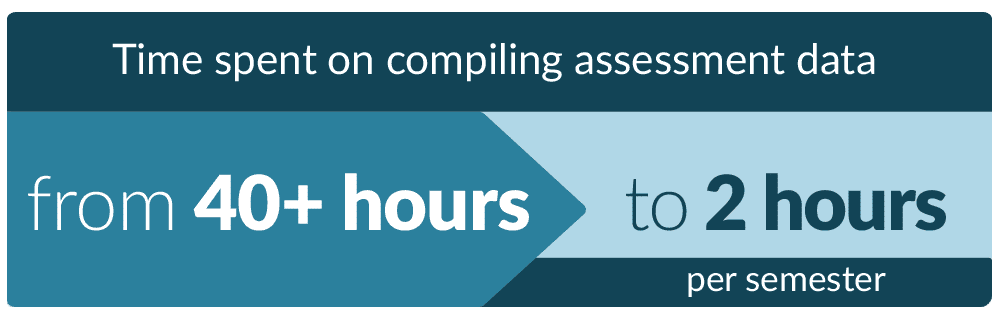
“We used to literally stack our papers from sim,” Dr. Zweifel shared. “I have three sites, and they would all come to me. I would sit at the end of each semester with piles of paper, and I’d tally everything to get our assessment data. It would take me at least 40 hours.”
Since the assessment data wasn’t analyzed until the end of each semester, it was impossible to react quickly to curriculum issues.
The Solution
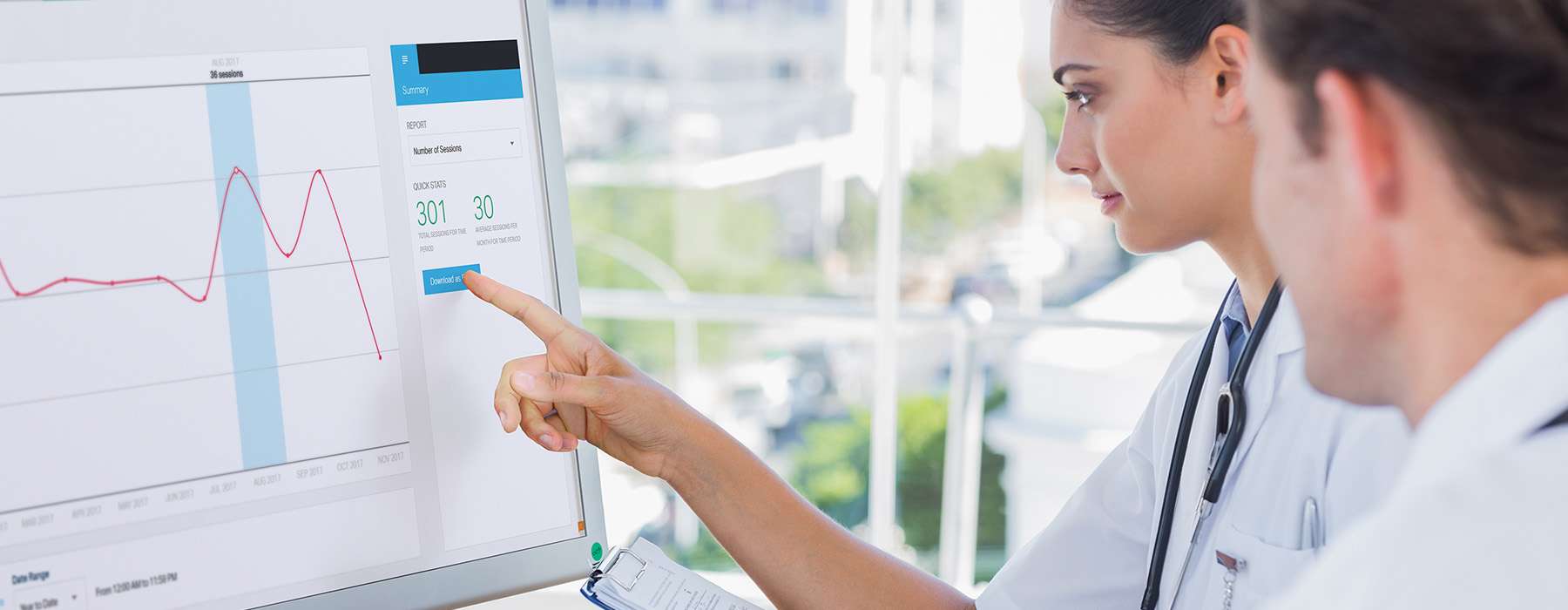
To manage the large amounts of data generated by simulations, Dr. Zweifel and her team decided to start using SimCapture. This simulation management system would help them assess learner performance, collect the performance data, and organize it into meaningful insights.
They paired SimCapture with the Creighton Competency Evaluation Instrument© (CCEI).
Developed by nurse educators at Creighton University, the Creighton Competency Evaluation Instrument© (CCEI) provides a reliable, evidence-based method for assessing clinical competence — helping bridge the gap between academic learning and real-world practice.
The CCEI has since been updated to a new version: CCEI 2.0. The 2.0 version places a higher emphasis on clinical judgment and incorporates the U.S. National Council of State Boards of Nursing Clinical Judgment Measurement Model.
The tool contains 25 items and assesses competence across four key categories:
Learn more about the CCEI 2.0 and how Laerdal is collaborating with Creighton University to expand the reach of the tool.
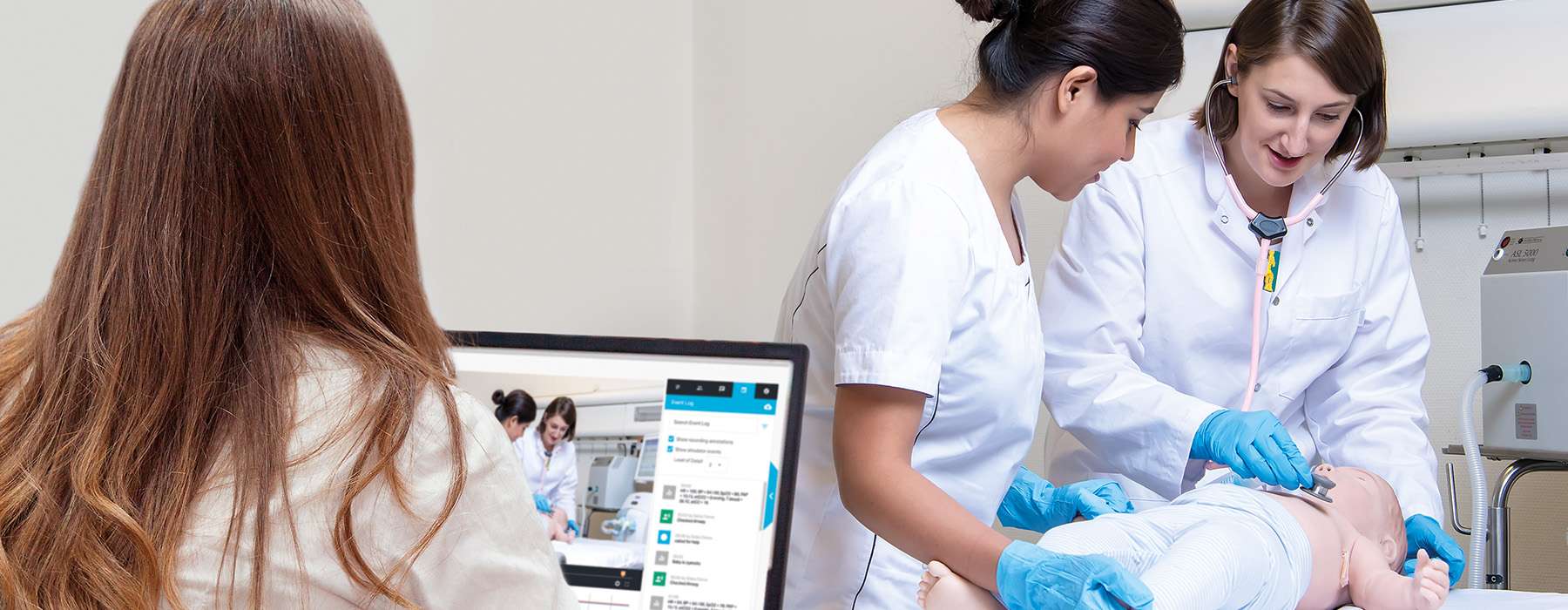
Dr. Zweifel and her team uploaded the CCEI into SimCapture. Faculty would fill out the evaluation during the scenario and debriefing, and SimCapture would house all the data and organize it into insights.

The Results
Transitioning from paper assessments to managing the data with SimCapture and the CCEI yielded major efficiency gains for Dr. Zweifel and her team.
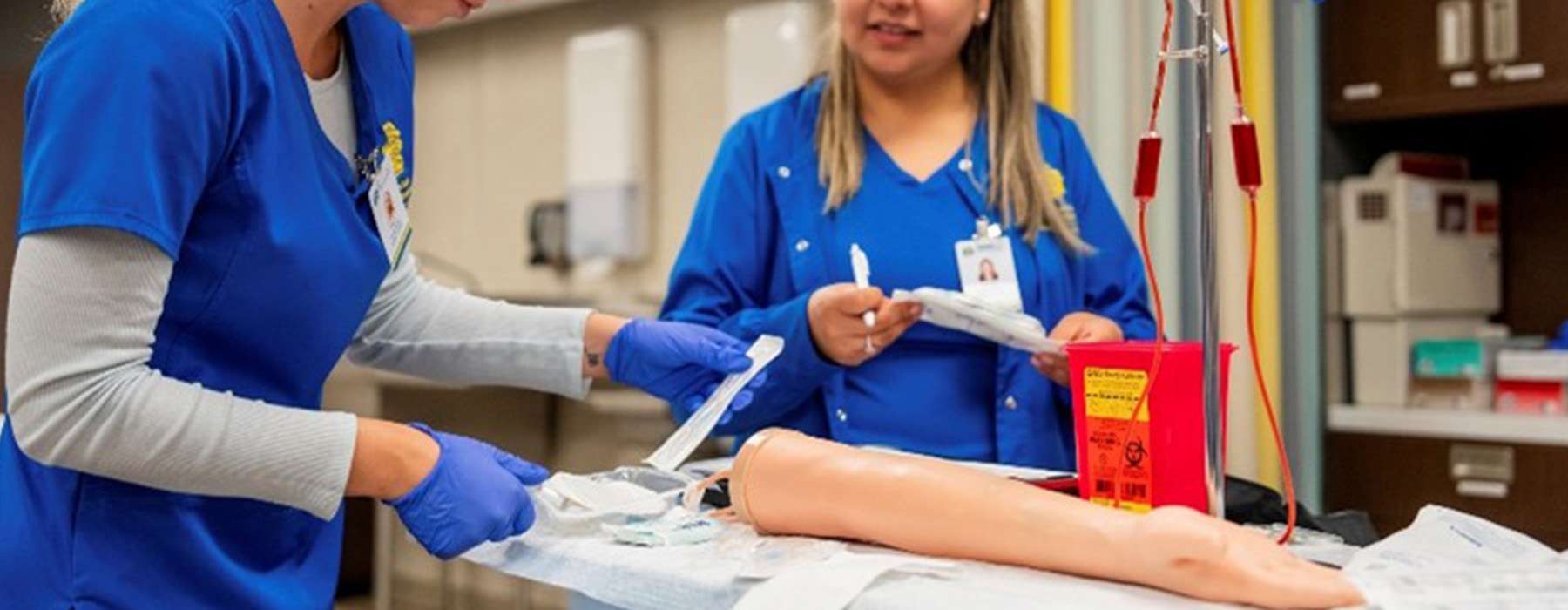
Using SimCapture with the CCEI has created a powerful combination that has yielded actionable insights.
One shining example involved the accelerated program’s first cohort, which is using the new CBE curriculum. After running a Semester 1 medication administration simulation, the sim center team pulled the SimCapture data to identify existing cohort-wide trends.
Analyzing the results for the “Quality and Safety” domain revealed a gap in managing equipment and devices. Dr. Zweifel discovered that only one out of six groups could correctly connect IV piggyback medications using sterile technique.
This revelation prompted immediate investigation with the teaching team. It turned out to be a misalignment in the curriculum. Students didn’t have enough opportunities in the skills lab to do the rapid cycle, deliberate practice they needed to master the skill prior to the simulation.
“No wonder they weren't doing well at their IV medications and meeting those safety points — because they maybe only practiced it once,” she explained.
The team decided that they will move the simulation back to the end of the semester so that students can get more repetitive practice and then come back to simulation.
Having the data available instantly allowed the faculty to act immediately. “Having data at our fingertips is huge,” Dr. Zweifel said. She noted that without SimCapture, it may have taken much longer to uncover and remedy the issue.
In addition to cohort-level insights, SimCapture provides data that helps Dr. Zweifel and the team assess individual student performance more efficiently over time. By reviewing students’ performance across multiple simulations, faculty can pinpoint consistent gaps in critical areas like clinical judgment. The data provides guidance for determining how to remediate with students.
“I really dive in [to the data] … to help the student get to competency as they move throughout the simulation curriculum,” she said.
The value of SimCapture’s data extends beyond student performance and curriculum content. It also touches upon vital operational decisions and faculty consistency.

Staffing justification. When SDSU’s Rapid City site increased its simulation space, Dr. Zweifel needed evidence to hire a second sim tech. She pulled data on center sign-in hours from SimCapture and was able to demonstrate that Rapid City now had twice as many contact hours as other locations — but fewer staff. The data helped justify hiring another sim tech for Rapid City. She noted that without SimCapture, she would’ve needed to do a considerable amount of manual backend work to justify a new hire.
Inter-rater consistency. This SimCapture metric helps standardize the faculty’s use of the CCEI tool. SimCapture highlights areas of moderate or high inconsistency. This has allowed Dr. Zweifel to address consistency issues with faculty one-on-one, or to clarify Performance Indicators (PIs) that were too vague. For instance, one PI was simply “demonstrate vital signs.” The team realized they needed to be clearer and clarify that students would need to get three out of five, including certain vital signs.
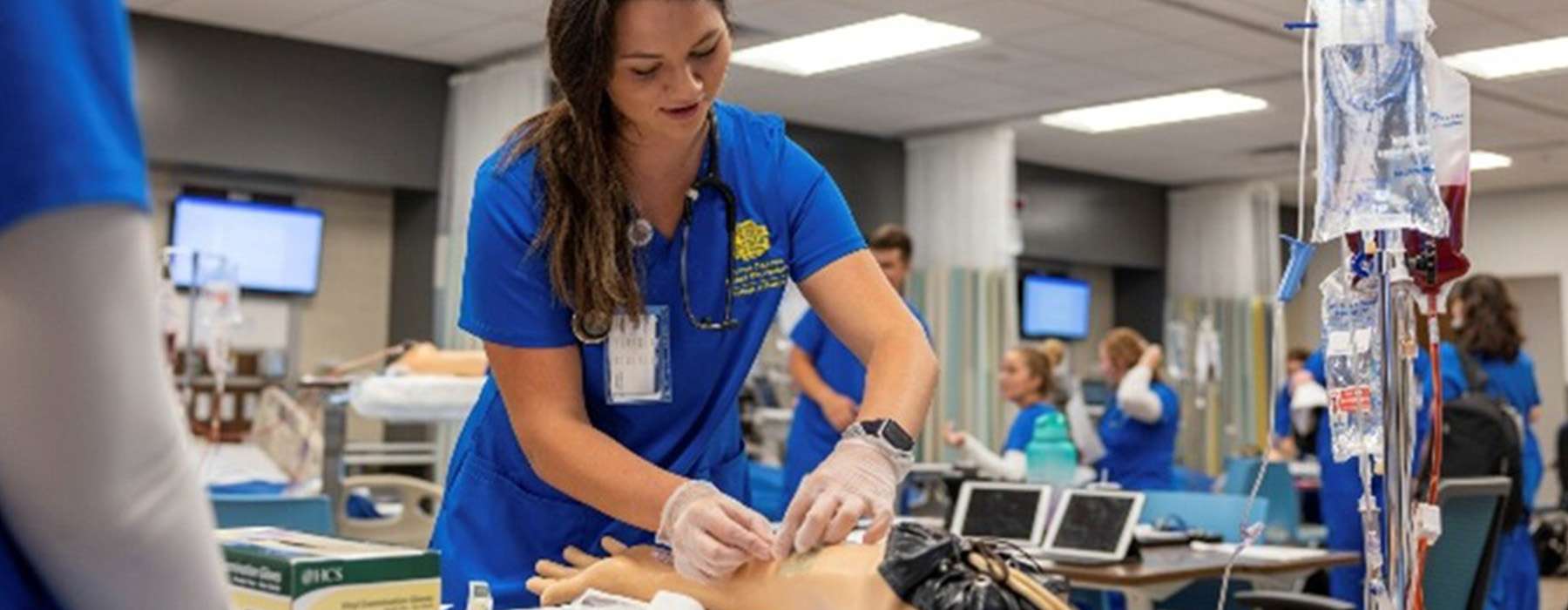
To help bring students to mastery of fundamental skills, Dr. Zweifel and her team adopted the Rapid-Cycle Deliberate Practice (RCDP) framework: a learner-centered model that uncovers gaps in performance, identifies areas for feedback, and allows for repeated opportunities to master a skill.
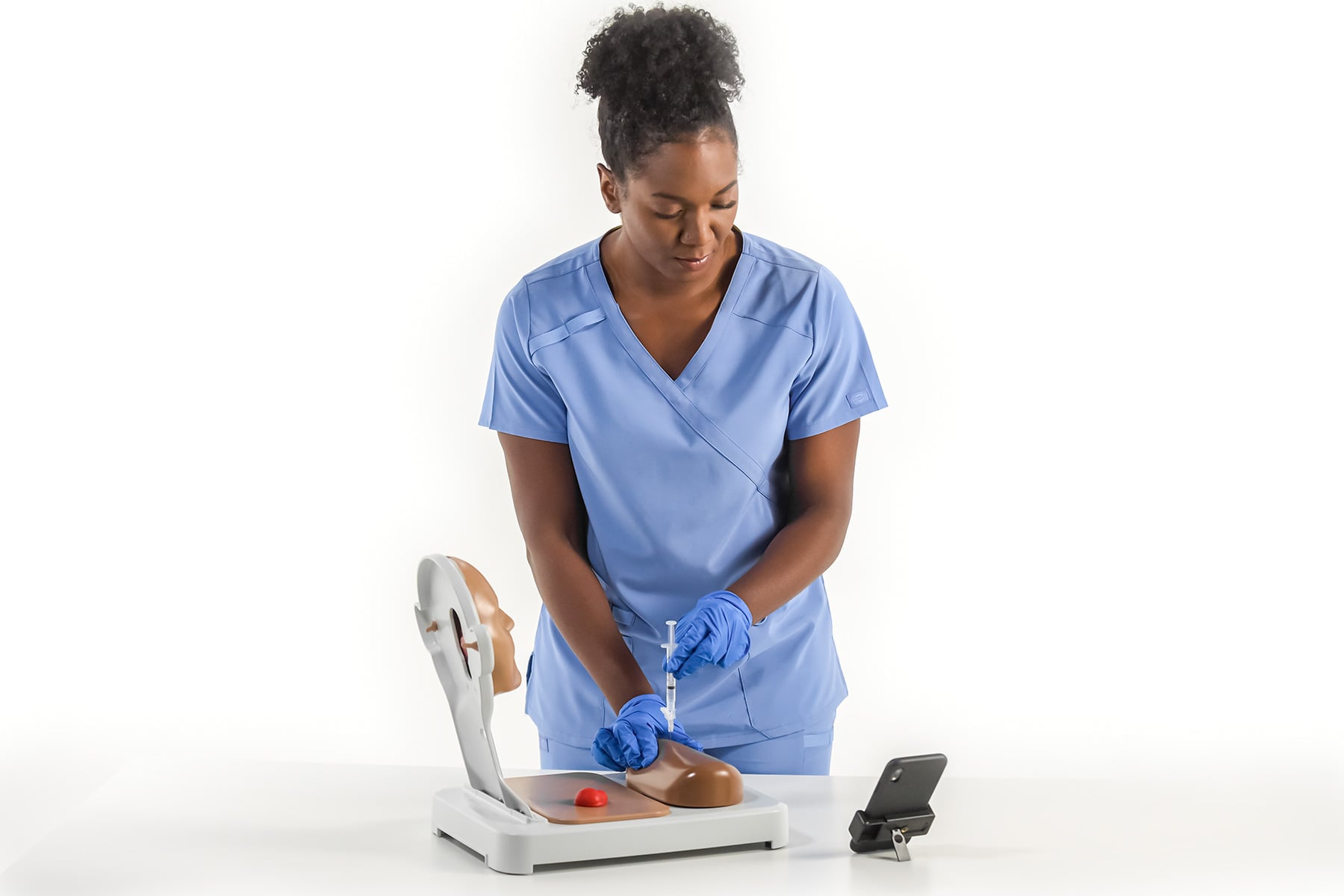
They paired RCDP with SimCapture for Skills: a digital assessment and evaluation solution. Using the SimCapture for Skills platform, students practiced independently and recorded themselves completing skills, facilitating self-reflection and evaluation. The students’ recordings were also assigned to other students for review, allowing them to provide constructive peer feedback to each other.
The SimCapture for Skills platform collected the data and helped to identify benchmarks. After trying this approach, some of what they found included:
If you’re currently on the path to embracing CBE in your nursing program, Dr. Zweifel offers some advice.
– Alyssa Zweifel, PhD, RN, CHSE
Director of the Healthcare Simulation Center,
Assistant Professor South Dakota State University

1. Integrating SimCapture with the CCEI tool can turn overwhelming paper-based assessment data into real-time, actionable insights.
2. Simulation data can help you identify cohort-wide trends and address gaps in areas such as medication administration and clinical judgment.
3. Immediate access to simulation data can help you quickly improve curriculum alignment, support individual learners, and inform operational and faculty development decisions.