Neonatal Care
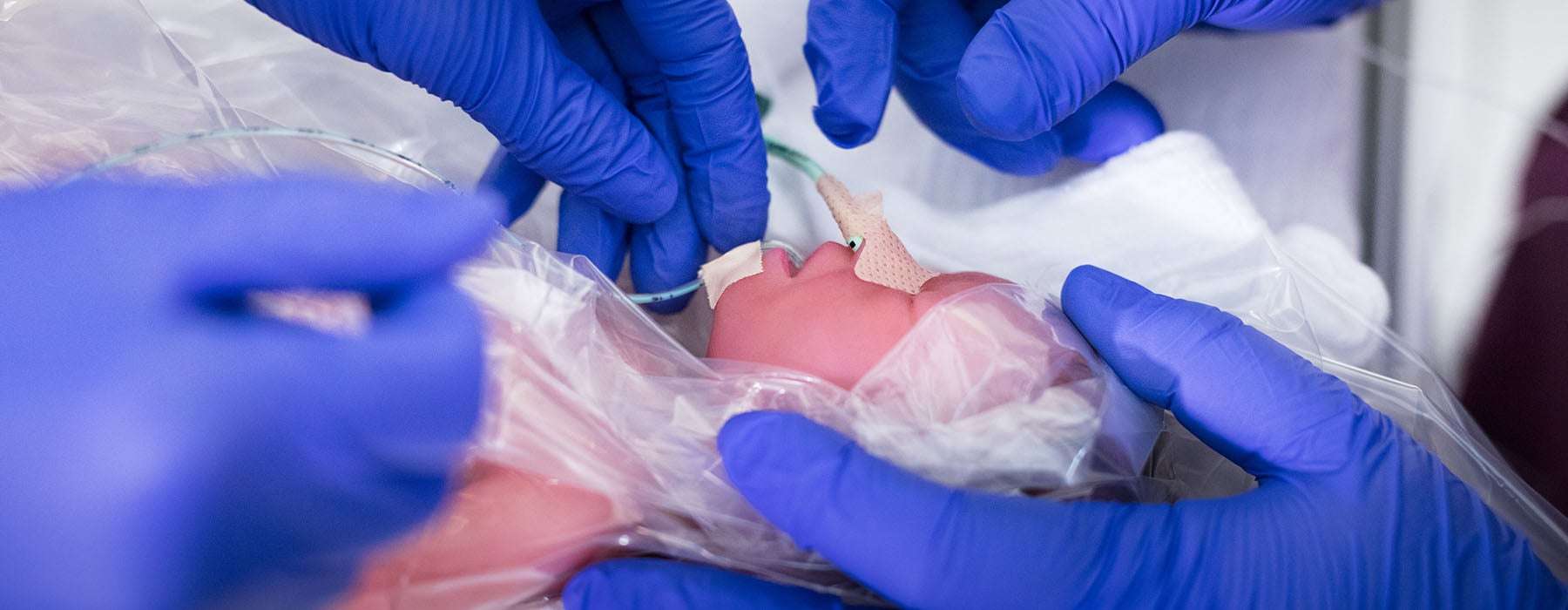
Neonatal Intensive Care Unit (NICU) teams can use simulation for quality improvement (QI) to identify system gaps, improve communication, and enhance systems performance.
Learn More
5 Key Takeaways

The power of simulation in the NICU goes beyond building clinician competence. Simulation can help uncover system vulnerabilities, evaluate workflows, test improvements, and build more reliable care processes.
In our recent webinar, Dr. Lou Halamek and Dr. Victoria Brazil shared examples of how simulation can support quality improvement while strengthening neonatal care systems.
Below are five key takeaways from the webinar conversation.

Professor of Pediatrics, Stanford University
Director, Center for Advanced Pediatric and Perinatal Education (CAPE)

Emergency Physician and Simulation Leader
Gold Coast Health & Bond University, Australia
The experts explained that healthcare professionals often work around systems that don’t fully support their work.
"The whole idea of the system is that it’s supposed to serve the humans that are operating within it."
Dr. Victoria Brazil,
Director, Bond Translational Simulation Collaborative; Professor of Emergency Medicine and Director of Simulation, Bond University

She shared a simple example involving the placement of gloves in the resuscitation bay. The gloves were placed in the back of the bay, which meant clinicians entering the room had to navigate their way around others to reach the back.
Experienced clinicians had figured out various ways to get their gloves more easily elsewhere, but newcomers hadn’t adapted. Ultimately, moving the gloves closer to the door removed friction from the workflow and improved efficiency.
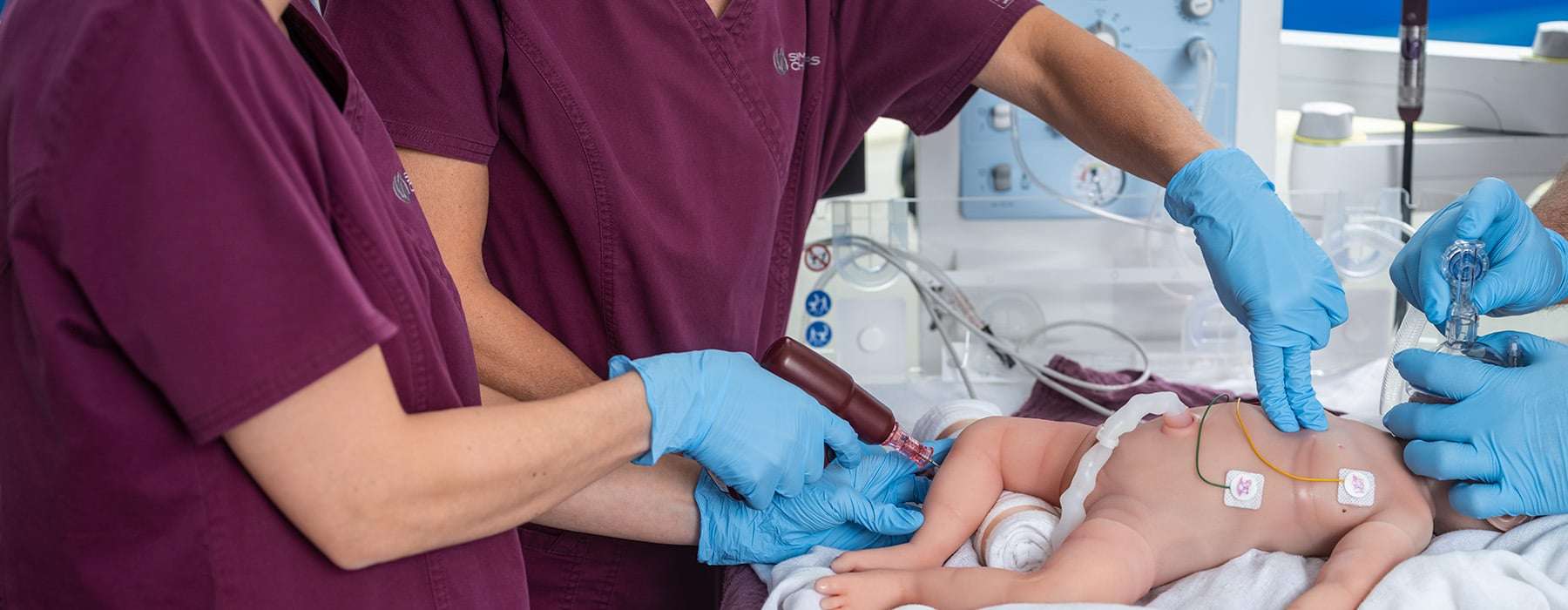
Several examples highlighted the gap between written procedures and real-world practice. “We’re talking about work as imagined versus work as done,” Dr. Halamek explained.
Simulation helps teams observe how work is actually performed before changes reach patients. Whether evaluating workflows, introducing equipment, or preparing for rare events, it can reveal barriers, risks, and unintended consequences that may not be obvious on paper.
Dr. Brazil described this approach as translational simulation: a framework for improving quality and safety “not through only the education and training of individuals, but rather directly aligning with quality and safety priorities.”
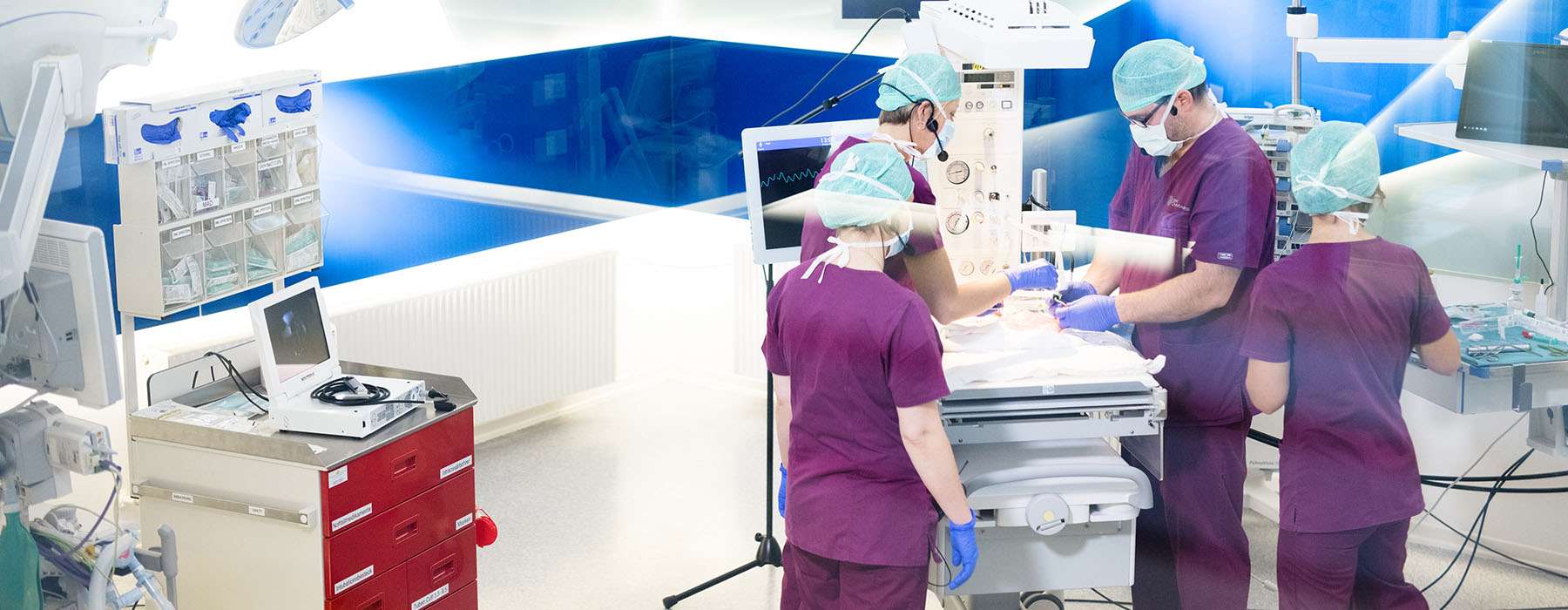
Dr. Halamek described how his team prepared for the highly-complex delivery of conjoined twins by conducting eight hours of simulation. The simulations uncovered challenges involving communication, positioning, airway management, and equipment organization.
“We found a number of really interesting things that made us change what we had thought about when we put it down on paper,” he shared.
The team ultimately adjusted the care plan before delivery, resulting in what Dr. Halamek described as one of the quietest resuscitations he’d ever been in because it ran so smoothly.
"The ability to use simulation to anticipate and plan for problems and then discover new problems that you hadn’t even thought of before…that was really important for us."
Lou Halamek,
Professor of Pediatrics, Stanford University
Director, Center for Advanced Pediatric and Perinatal Education (CAPE)
Dr. Brazil shared a similar example from emergency care, where simulation helped teams identify workflow bottlenecks and improve coordination, ultimately cutting door-to-balloon times in half.
Rather than evaluating individual performance, teams should focus on workflows, communication, equipment, safety vulnerabilities, and environmental factors.
Dr. Brazil stressed that participants should come prepared to provide feedback on the system itself.
“You shouldn’t think we’re going to give you feedback on how well you de-escalate a patient,” she says. “You should be coming here to tell us whether the system is working for you or not.”
Dr. Halamek shared four questions his team uses during debriefings:
“The way to think about it is, what is it that you’re trying to test? Or what is it that you want people to learn?” Dr. Halamek explained. “Look at those things first and then decide the level of simulator that you need for that.”
He added, “The goal of any simulation is for people to do what they would in the real situation.”
“We’ve been doing some research work recently on immersion, which gets to what Lou is talking about—what leads to people doing what they would normally do,” Dr. Brazil added. “Aim for the level of immersion that leads to people doing what they would normally do and then being able to reflect on whether it’s working.”
Dr. Brazil noted that immersion depends on more than physical realism. The scenario, participants’ experience, and buy-in all influence how people respond. For quality improvement efforts, the goal is to create conditions where clinicians behave as they would in practice.
"Every simulation, no matter what it is we’re simulating, is an opportunity for us to get better at delivering care to kids."
Lou Halamek, MD, FAAP
Want to hear the full discussion from Dr. Victoria Brazil and Dr. Lou Halamek?
Watch the complete webinar – Improving Outcomes in the NICU: A Systems Approach to Safer Care to explore how simulation can help you improve workflows, identify risks, strengthen quality improvement initiatives, and build a more reliable system of care.