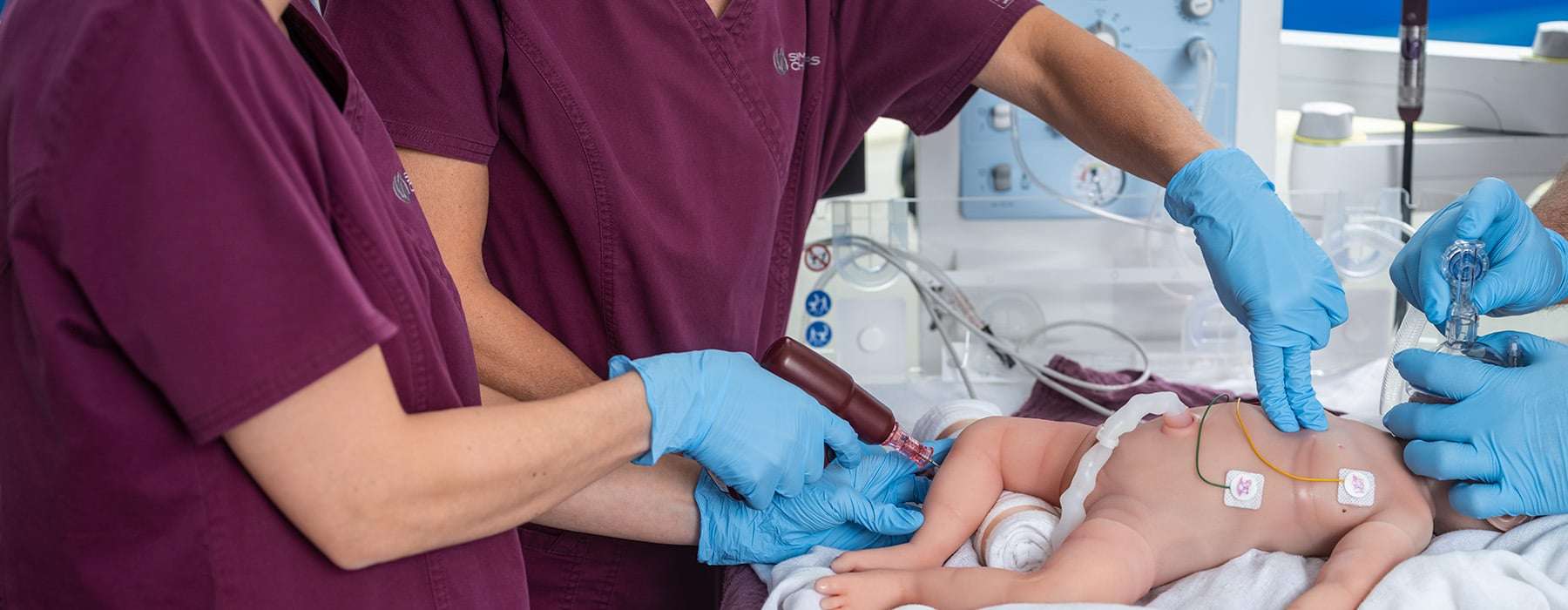
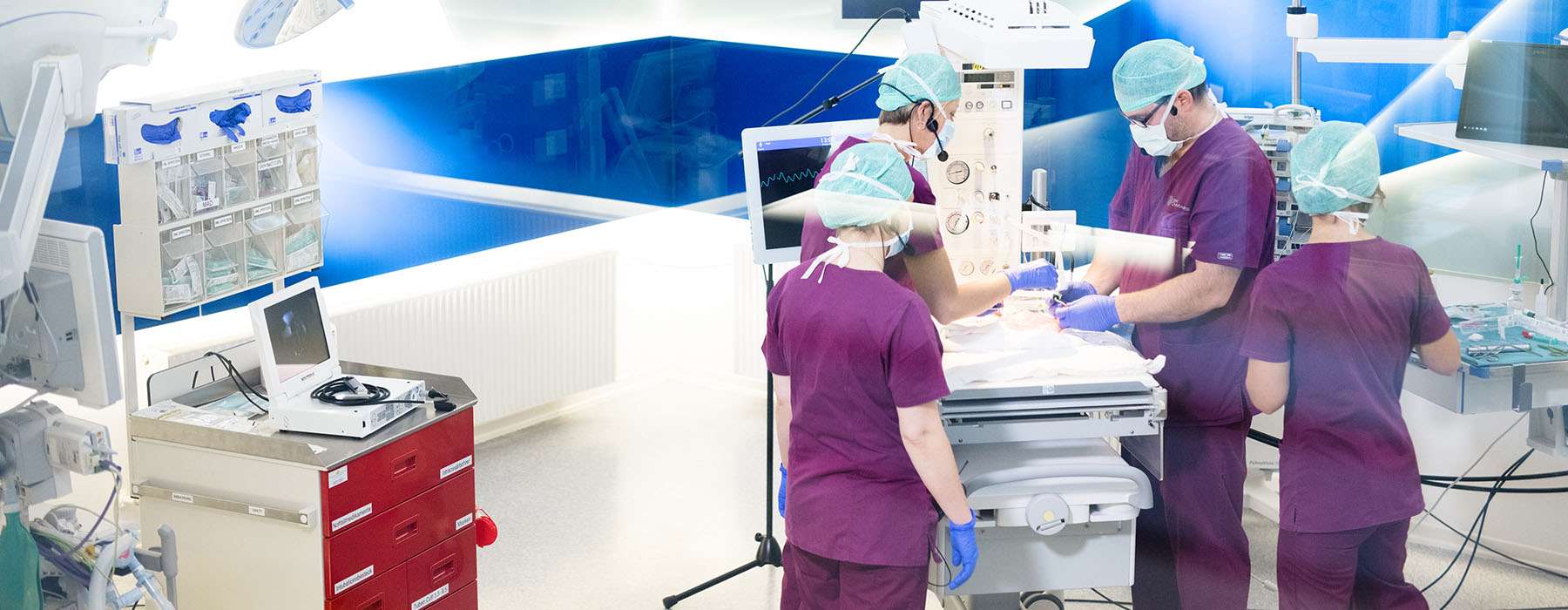
5. The goal in simulation isn’t realism. It’s meaningful immersion.
“The way to think about it is, what is it that you’re trying to test? Or what is it that you want people to learn?” Dr. Halamek explained. “Look at those things first and then decide the level of simulator that you need for that.”
He added, “The goal of any simulation is for people to do what they would in the real situation.”
“We’ve been doing some research work recently on immersion, which gets to what Lou is talking about—what leads to people doing what they would normally do,” Dr. Brazil added. “Aim for the level of immersion that leads to people doing what they would normally do and then being able to reflect on whether it’s working.”
Dr. Brazil noted that immersion depends on more than physical realism. The scenario, participants’ experience, and buy-in all influence how people respond. For quality improvement efforts, the goal is to create conditions where clinicians behave as they would in practice.
"Every simulation, no matter what it is we’re simulating, is an opportunity for us to get better at delivering care to kids."
Lou Halamek, MD, FAAP